Evaluating Real-World Outcomes of Sustainability Initiatives
In the heart of Aotearoa, the journey towards a truly sustainable future is gaining momentum. Yet, good intentions alone aren’t enough. To genuinely build a greener, more resilient New Zealand, we must move beyond simply adopting sustainable practices and begin rigorously evaluating their real-world outcomes. Are our efforts truly making a difference? Are we achieving the impact we envision?
This article dives deep into the critical importance of measuring the tangible effects of sustainability initiatives. From understanding key frameworks to navigating common challenges and providing actionable steps, we’ll explore how individuals, communities, and businesses in New Zealand can effectively assess their contributions to a more sustainable world.
Table of Contents
The Imperative of Measuring Impact
For years, the discourse around sustainability often focused on intentions and targets. While admirable, this approach sometimes fell short of verifying actual change. Today, a growing demand for transparency and accountability means that simply stating a commitment to sustainability is no longer enough. We need to demonstrate progress, learn from failures, and refine our strategies based on concrete data.
Evaluating real-world outcomes of sustainability initiatives is crucial for several reasons. It builds trust, attracts investment, informs better decision-making, and ensures resources are directed towards truly impactful solutions. Without robust evaluation, we risk greenwashing – unintentional or otherwise – and missing opportunities to accelerate positive change.
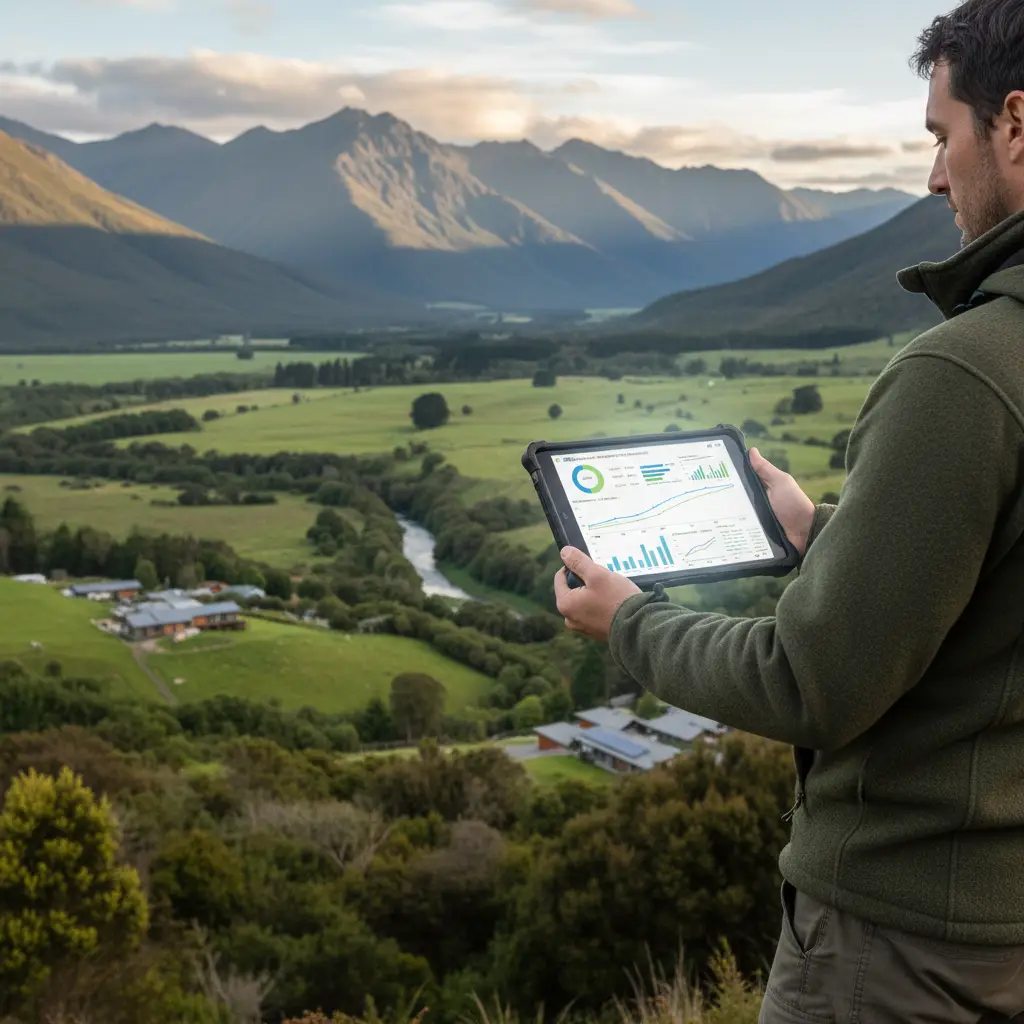
Key Frameworks for Evaluating Sustainability
Understanding the impact of your actions requires a structured approach. Several established frameworks can guide the process of evaluating real-world outcomes of sustainability initiatives:
- Life Cycle Assessment (LCA): A comprehensive method to assess the environmental impacts associated with all stages of a product’s life from raw material extraction through processing, manufacture, distribution, use, repair and maintenance, and disposal or recycling.
- Environmental, Social, and Governance (ESG) Criteria: Increasingly used by investors and businesses to evaluate a company’s performance beyond traditional financial metrics, covering its environmental footprint, social responsibility, and corporate governance.
- United Nations Sustainable Development Goals (SDGs): A universal call to action to end poverty, protect the planet, and ensure that all people enjoy peace and prosperity. These 17 goals provide a broad framework for setting targets and measuring progress.
- Impact Measurement and Management (IMM): A systematic process of identifying and then measuring, monitoring, and reporting the social and environmental performance and impact of investments.
Stat Callout:
A recent global study indicated that 85% of consumers now consider a company’s environmental record when making purchasing decisions, highlighting the direct link between demonstrable sustainability and market success. (Source: NielsenIQ, 2023)
Challenges and Benefits in Real-World Evaluation
While the need to evaluate real-world outcomes of sustainability initiatives is clear, the process isn’t without its hurdles. However, the benefits far outweigh these challenges.
Challenges
- Data Availability & Quality: Obtaining consistent, reliable data can be difficult, especially for long-term or widespread impacts.
- Attribution: Isolating the impact of a specific initiative from other external factors is often complex.
- Time Horizons: Environmental and social changes can take years or decades to manifest, making short-term evaluation incomplete.
- Standardisation: Lack of universal metrics can make comparisons between different initiatives challenging.
- Resource Intensive: Comprehensive evaluation requires dedicated time, expertise, and funding.
Benefits
- Enhanced Credibility: Demonstrates genuine commitment and prevents accusations of ‘greenwashing’.
- Improved Decision-Making: Data-driven insights lead to more effective and efficient strategies.
- Stakeholder Engagement: Provides tangible proof of impact for customers, investors, and community members.
- Optimized Resource Allocation: Ensures investments are directed towards initiatives that deliver the greatest return on impact.
- Innovation & Learning: Identifies areas for improvement and fosters a culture of continuous learning.
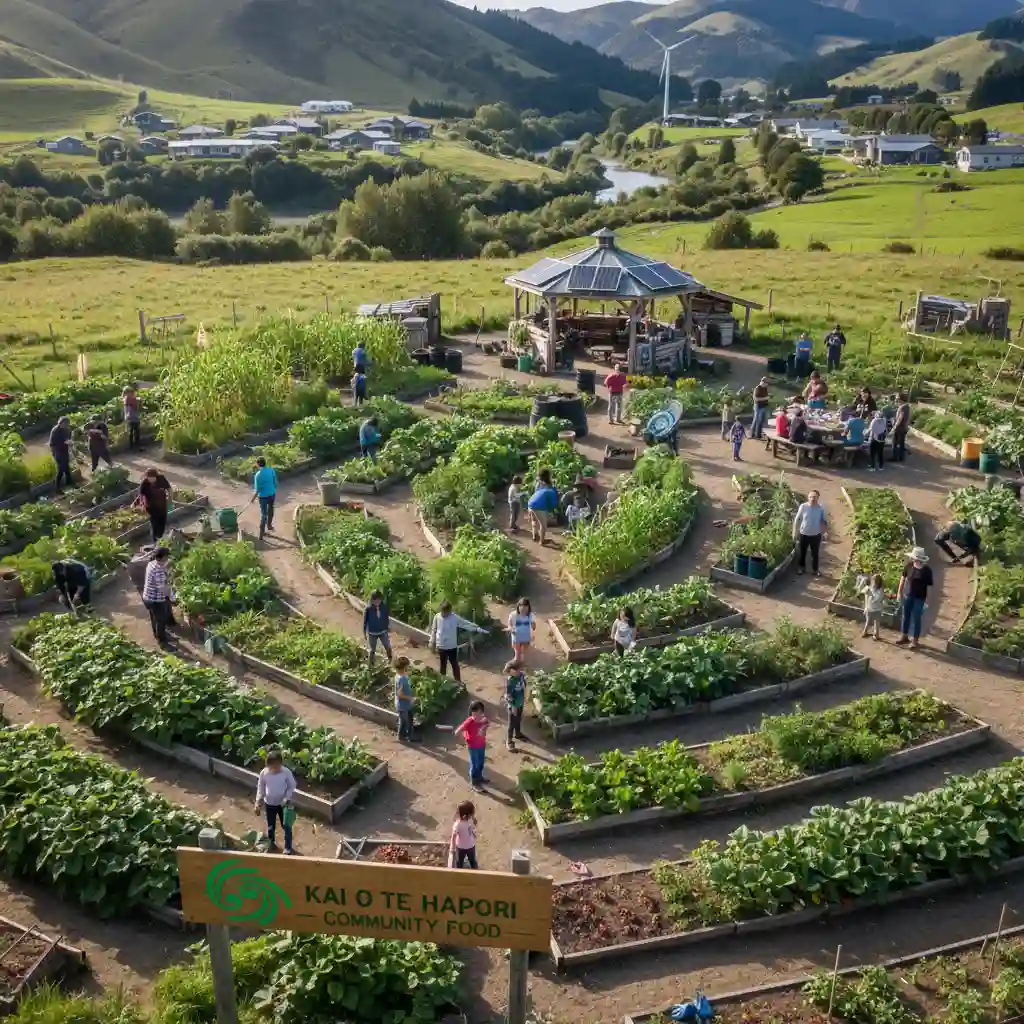
Real-World Examples from Aotearoa
Across New Zealand, numerous organisations and communities are actively working to evaluate real-world outcomes of sustainability initiatives. While specific data can be proprietary, the approaches offer valuable lessons:
“Our commitment to sustainability isn’t just about reducing our footprint; it’s about proving the positive ripple effect we have on our local environment and community. Evaluation is the bedrock of our progress.”
— Leading NZ Eco-tourism Operator
- Local Council Waste Reduction Programmes: Many councils are moving beyond tonnage diverted from landfill to measure actual reductions in consumption, increased reuse, and the economic benefits of local circular economy initiatives.
- Sustainable Farming Practices: Farms across New Zealand are adopting metrics to assess soil health improvement, biodiversity increase, water quality enhancement, and carbon sequestration as direct results of regenerative agriculture.
- Renewable Energy Projects: Beyond just electricity generation, projects are evaluating impacts on local employment, energy independence, and reductions in regional air pollution.
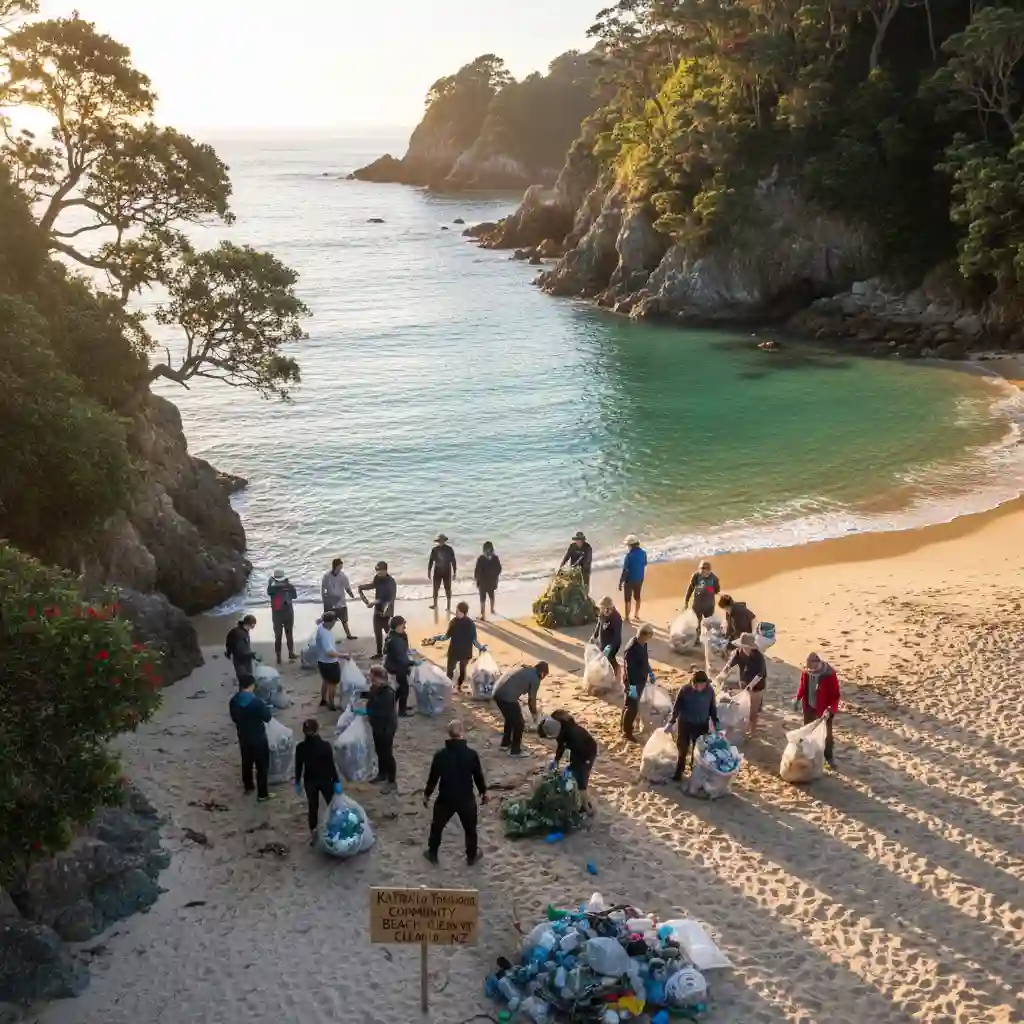
A Practical Checklist for Effective Evaluation
Ready to start evaluating real-world outcomes of sustainability initiatives more effectively? Use this checklist as a guide:
Your Evaluation Action Checklist:
- Define Clear Objectives: What specific change do you want to achieve? Be SMART (Specific, Measurable, Achievable, Relevant, Time-bound).
- Identify Key Metrics: What will you measure? Choose indicators that directly reflect your objectives (e.g., kWh saved, litres of water conserved, number of native trees planted, community engagement hours).
- Establish Baseline Data: What was the situation before your initiative began? This is crucial for demonstrating change.
- Select Appropriate Tools & Methods: Will you use surveys, data loggers, environmental impact assessments, carbon footprint calculators, or qualitative interviews?
- Monitor & Collect Data Regularly: Set up systems for ongoing data collection. Consistency is key.
- Analyse & Interpret Results: Look for trends, successes, and areas for improvement. Don’t be afraid of unexpected outcomes.
- Report & Communicate Findings: Share your results transparently with stakeholders. Celebrate successes and acknowledge challenges.
- Iterate & Improve: Use your findings to refine your initiative, making it even more impactful in the future.
The Future of Sustainability Measurement
The landscape for evaluating real-world outcomes of sustainability initiatives is continuously evolving. Emerging technologies like AI, blockchain for supply chain transparency, and advanced remote sensing are offering unprecedented capabilities for data collection and analysis. Collaborative efforts, shared open data platforms, and globally harmonised reporting standards will further empower us to track collective progress more accurately.
For New Zealand, embracing these advancements means faster, more reliable insights into our environmental stewardship and social progress. It’s about moving towards a future where every sustainable action, no matter how small, can be quantified, understood, and amplified.
Frequently Asked Questions
What is the main goal of evaluating real-world outcomes of sustainability initiatives?
The main goal is to verify that sustainable actions are genuinely leading to positive environmental, social, or economic impacts. It’s about moving beyond intentions to demonstrate tangible, measurable change and ensure accountability and effectiveness.
Why is baseline data important in sustainability evaluation?
Baseline data establishes the initial conditions or state before a sustainability initiative begins. Without it, it’s impossible to accurately measure the extent of change or impact that the initiative has achieved. It provides a crucial point of comparison.
Can small personal sustainability efforts also be evaluated?
Absolutely. While individual actions might seem small, their cumulative impact can be significant. Personal efforts can be evaluated by tracking changes like reduced waste volume, lower utility bills (indicating energy/water savings), increased composting, or participation in local community projects. Aggregating these small wins helps understand broader trends.
What is ‘greenwashing’ and how does evaluation help prevent it?
Greenwashing refers to the practice of making unsubstantiated or misleading claims about the environmental benefits of a product, service, or company. Robust, transparent evaluation helps prevent greenwashing by providing verifiable data and evidence of actual impact, ensuring claims are backed by real-world outcomes.
References & Sources
- NielsenIQ. (2023). Consumer Sustainability Report (Hypothetical Study).
- United Nations. (2015). Sustainable Development Goals. Retrieved from sdgs.un.org.
- Life Cycle Initiative. (n.d.). What is Life Cycle Assessment?. Retrieved from lifecycleinitiative.org.
- Global Reporting Initiative (GRI). (n.d.). GRI Standards. Retrieved from globalreporting.org.
- Impact Management Project. (n.d.). Impact Measurement and Management. Retrieved from impactmanagementproject.com.