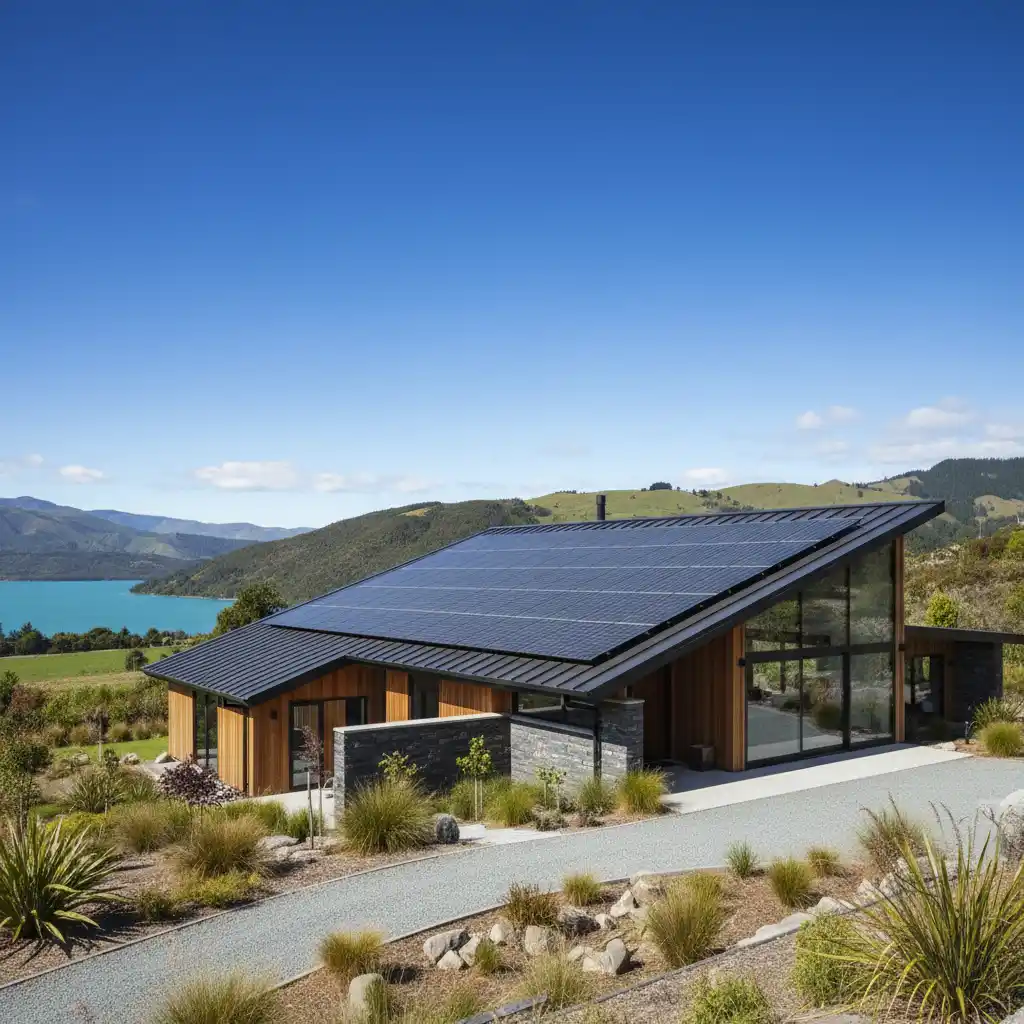
Smart Energy-Efficient Appliances: Innovations & Design
In a world increasingly focused on sustainability, the way we power our homes has become a critical conversation. For New Zealanders, embracing a greener lifestyle extends beyond recycling; it’s about making conscious choices that reduce our carbon footprint and energy consumption. One of the most impactful changes we can make is in our selection of home appliances. Welcome to the era of Smart Energy-Efficient Appliances: Innovations & Design – where cutting-edge technology meets environmental stewardship.
These aren’t just ordinary machines; they are intelligent systems designed to perform better, save more, and integrate seamlessly into our modern lives. This article explores the remarkable innovations and thoughtful design principles that define this new generation of household technology, empowering you to make smarter, more sustainable choices for your home.
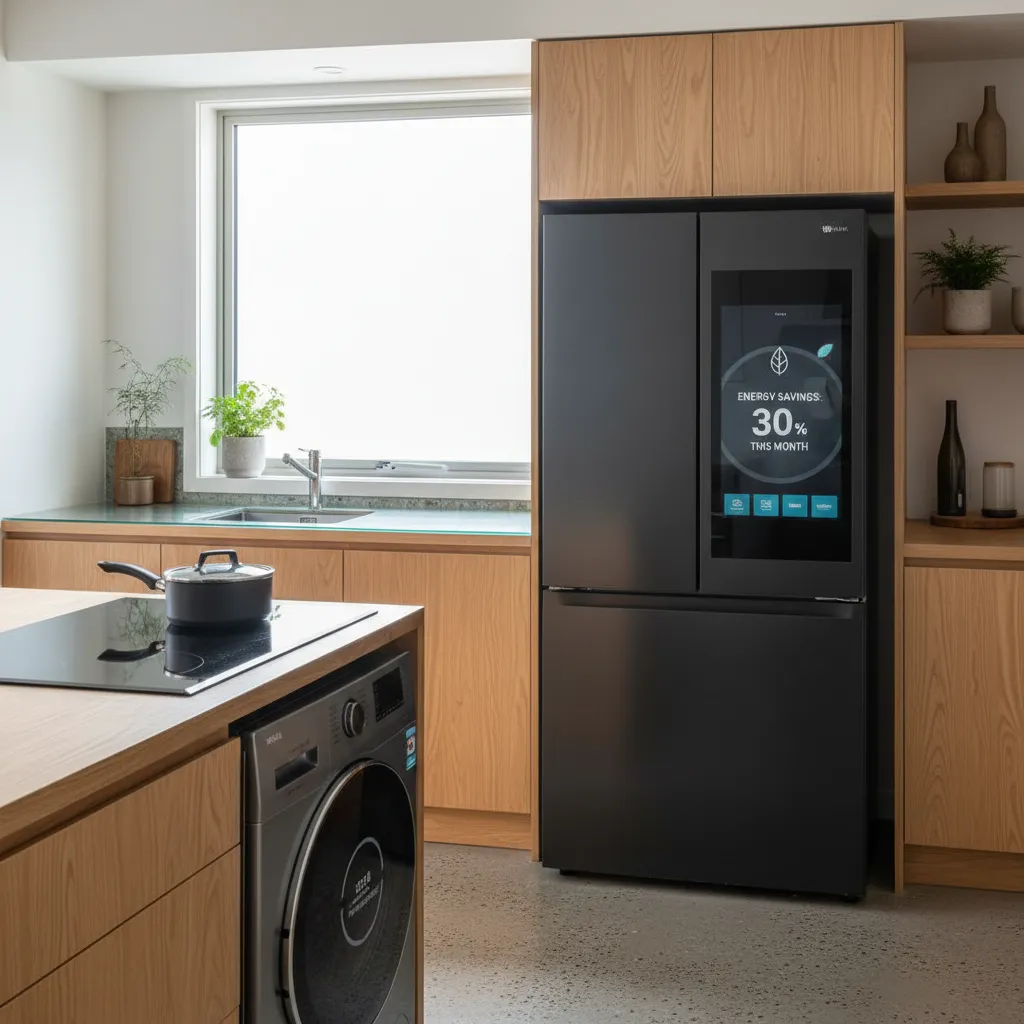
Table of Contents
- The Imperative for Smart Energy-Efficiency in New Zealand
- What Makes an Appliance “Smart” and “Energy-Efficient”?
- Key Innovations Driving Energy Savings
- Design for Sustainability and User Experience
- Popular Smart Energy-Efficient Appliances for Your Home
- The Future is Connected: Smart Grids & Home Ecosystems
- Choosing Your Next Appliance: What to Look For
- Frequently Asked Questions (FAQ)
- References & Sources
The Imperative for Smart Energy-Efficiency in New Zealand
New Zealand is committed to a sustainable future, with ambitious goals to reduce carbon emissions and transition to a low-carbon economy. While industrial and legislative changes play a significant role, the cumulative impact of individual household choices cannot be understated. Residential energy consumption accounts for a substantial portion of our national energy demand.
Stat Callout: According to the Energy Efficiency and Conservation Authority (EECA), households contribute approximately 20% of New Zealand’s total energy-related greenhouse gas emissions. Investing in energy-efficient appliances can significantly reduce this footprint and help NZ meet its climate targets. (EECA, 2023)
By choosing Smart Energy-Efficient Appliances, New Zealanders can actively participate in building a more resilient and sustainable energy system, leading to lower power bills and a healthier planet.
What Makes an Appliance “Smart” and “Energy-Efficient”?
The terms “smart” and “energy-efficient” often go hand-in-hand but represent distinct, albeit complementary, characteristics.
What Defines “Smart”?
A smart appliance is typically internet-connected, allowing for remote control, monitoring, and automation via a smartphone app or voice assistant. Key features include:
- Connectivity: Wi-Fi or Bluetooth for remote access.
- Automation: Scheduling tasks, reacting to external data (e.g., weather, energy prices).
- Sensors & AI: Adapting performance based on usage patterns, load size, or external conditions.
- Integration: Working with other smart home devices and ecosystems.
What Defines “Energy-Efficient”?
An energy-efficient appliance is designed to perform its function using significantly less energy than conventional models. This is often indicated by energy ratings (like New Zealand’s Energy Star rating system). Characteristics include:
- Optimised Components: High-efficiency motors, compressors, and heating elements.
- Advanced Insulation: Minimising heat loss or gain.
- Precise Control: Preventing energy waste through accurate temperature and timing.
- Low Standby Power: Reducing “vampire drain” when not actively in use.
When combined, Smart Energy-Efficient Appliances offer unparalleled convenience and savings.

Key Innovations Driving Energy Savings
The engineering behind today’s Smart Energy-Efficient Appliances is constantly evolving. Here are some of the standout innovations:
Advanced Inverter Technology
Found in refrigerators, washing machines, and heat pumps, inverter compressors and motors adjust their speed to match demand, rather than cycling on and off. This leads to smoother operation, reduced wear, and significant energy savings, especially for appliances that run frequently.
Precise Sensor Systems
Washing machines now use sensors to detect load size and fabric type, optimising water and energy use. Dishwashers can sense soil levels to adjust wash cycles. Ovens maintain incredibly stable temperatures, preventing energy waste from fluctuations.
AI & Machine Learning Optimisation
Many smart appliances learn your habits over time. A smart thermostat, for example, can learn your preferred temperatures and occupancy patterns to heat or cool only when needed. Refrigerators can adapt cooling based on contents and ambient conditions, optimising defrost cycles.
Improved Insulation & Materials
Better vacuum insulation panels and advanced materials in refrigerators, freezers, and ovens dramatically reduce heat transfer, keeping cold in and heat out more effectively with less energy.
Low-Standby Power Modes
Minimising the “vampire drain” of appliances when they are off but still plugged in. Modern designs focus on consuming almost no power in standby, preventing unnecessary energy leakage.
Design for Sustainability and User Experience
Beyond internal mechanics, the design philosophy of Smart Energy-Efficient Appliances also embraces sustainability and enhanced user experience:
Durability & Longevity
Manufacturers are increasingly focusing on robust construction and high-quality components to extend appliance lifespans, combating the throwaway culture and reducing e-waste.
Modular Design & Repairability
The concept of a circular economy is influencing design, with appliances that are easier to repair, upgrade, or disassemble for recycling. This ‘right to repair’ movement is gaining traction globally.
Aesthetics & Integration
Sleek, minimalist designs that integrate seamlessly into modern kitchens and living spaces are a hallmark. Digital displays, touch controls, and smart lighting contribute to a sophisticated, user-friendly aesthetic.
Intuitive Interfaces
Despite advanced features, interfaces are designed to be intuitive, ensuring that the benefits of smart technology are accessible to everyone, not just tech enthusiasts.
Popular Smart Energy-Efficient Appliances for Your Home
Here’s how these innovations manifest in common household items:
- Smart Refrigerators: Features like zoned cooling, door-in-door access, and cameras to view contents remotely. Energy Star rated models can be significantly more efficient than older units.
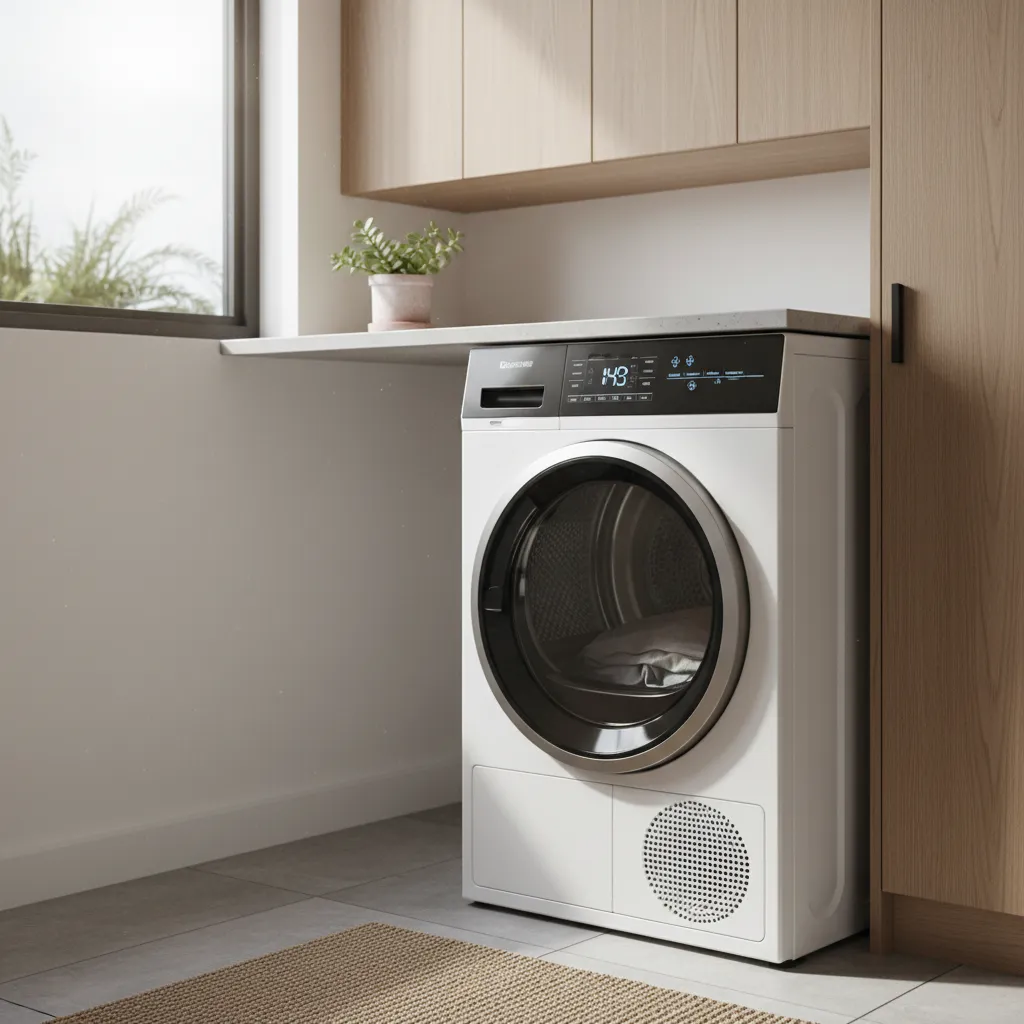
- Smart Washing Machines & Dryers: Auto-dosing detergent, load sensing, steam functions, and delay start. Heat pump dryers, in particular, are incredibly energy-efficient, recycling hot air.
- Smart Dishwashers: Soil sensors, half-load options, and economy cycles tailored to minimise water and electricity.
- Smart Ovens & Cooktops: Induction cooktops offer superior efficiency over traditional electric hobs. Smart ovens can preheat remotely and offer precise temperature control.
- Smart Heat Pumps/HVAC Systems: Zoned heating/cooling, remote control, and learning algorithms drastically cut down on energy waste by heating or cooling only when and where needed.
- Smart Water Heaters: Integrate with demand-side management systems to heat water during off-peak electricity hours or when renewable energy is abundant.
The Future is Connected: Smart Grids & Home Ecosystems
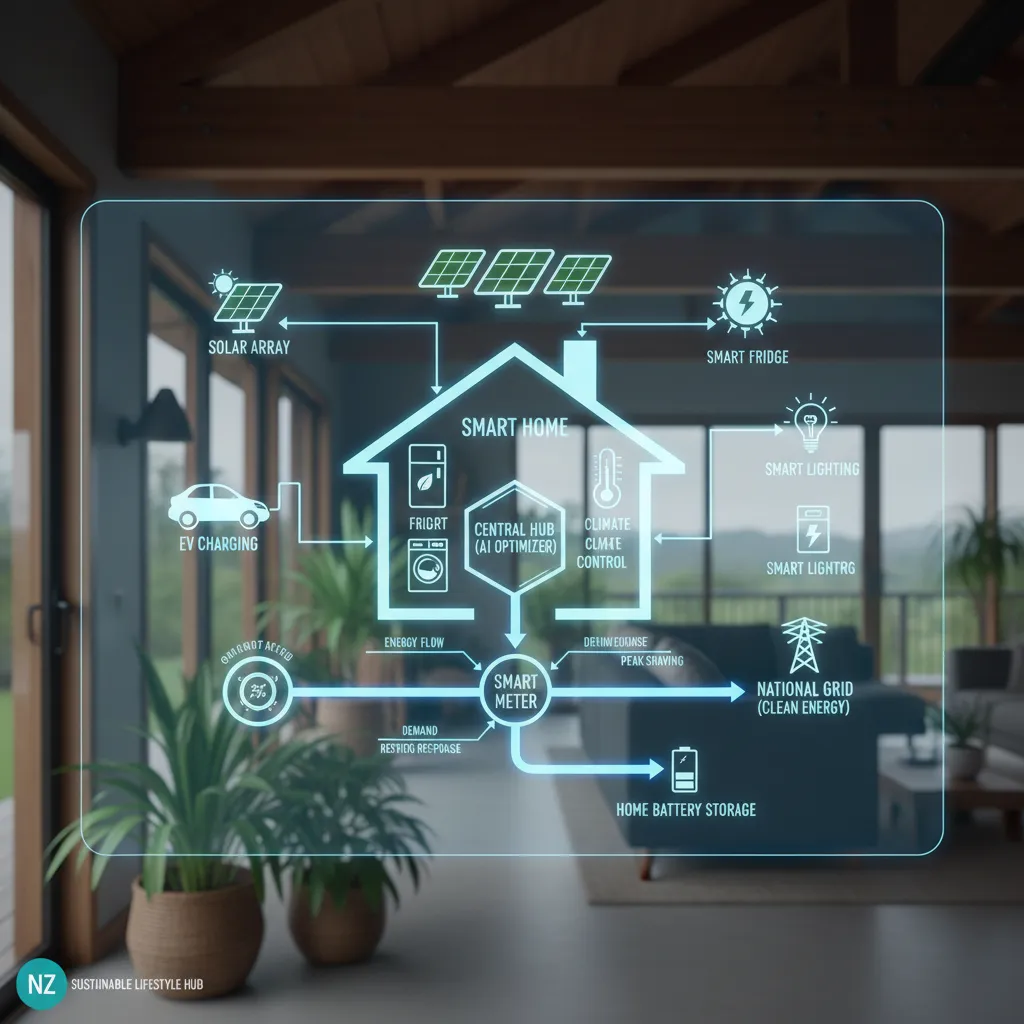
The true potential of Smart Energy-Efficient Appliances lies in their ability to interact with a broader smart home ecosystem and the national energy grid. Imagine a future where your washing machine automatically runs when solar power generation is at its peak, or your dishwasher delays its cycle until electricity prices are lowest.
This integration with smart grids allows for a more efficient, resilient, and renewable energy system, reducing strain on the grid during peak times and maximising the use of sustainable energy sources. It’s not just about individual savings; it’s about a collective step towards energy independence and a greener New Zealand.
Choosing Your Next Appliance: What to Look For
When upgrading your home, consider these factors to ensure you’re making the smartest, most energy-efficient choice:
- Energy Star Rating: Always check the energy rating label. The more stars, the more efficient the appliance.
- Smart Features: Evaluate which smart features truly benefit your lifestyle. Do you need remote control, or is basic automation sufficient?
- Total Cost of Ownership: Factor in potential energy savings over the appliance’s lifespan, not just the upfront purchase price.
- Durability & Warranty: Invest in reputable brands known for quality and good customer support.
- Connectivity & Compatibility: Ensure the appliance integrates with your existing smart home ecosystem (if you have one).
Conclusion
The evolution of Smart Energy-Efficient Appliances: Innovations & Design offers a powerful pathway to a more sustainable and convenient lifestyle. By making informed choices, New Zealand homeowners can significantly reduce their environmental impact, enjoy lower utility bills, and embrace the future of connected living.
It’s an investment not just in your home, but in New Zealand’s sustainable future. Start exploring the possibilities today!
Frequently Asked Questions (FAQ)
What defines a smart energy-efficient appliance?
A smart energy-efficient appliance combines internet connectivity (allowing for remote control and automation) with advanced engineering designed to minimise energy consumption. It often features sensors, AI, and optimised components to perform tasks with less electricity and water, while also offering enhanced convenience.
How do smart appliances save energy?
Smart appliances save energy through several mechanisms: learning usage patterns to optimise operation, remote control to avoid unnecessary running, sensors that precisely adjust resources (like water in a washing machine), inverter technology for variable power usage, and low standby power modes to reduce ‘vampire drain’.
Are smart appliances worth the higher upfront cost?
While often having a higher initial cost, smart energy-efficient appliances typically offer significant long-term savings on utility bills due to their reduced energy and water consumption. They also provide enhanced convenience, greater control, and a reduced environmental footprint, making them a worthwhile investment for many homeowners in New Zealand.
What are the most popular smart energy-efficient appliances?
Some of the most popular smart energy-efficient appliances include heat pump dryers, smart refrigerators, smart washing machines, induction cooktops, and intelligent heat pumps (HVAC systems). These categories offer some of the largest opportunities for energy savings in a typical household.
How do I choose the best smart energy-efficient appliance for my home in NZ?
When choosing, prioritise appliances with high Energy Star ratings. Consider which smart features are genuinely useful for your lifestyle. Research durability, warranty, and brand reputation. Also, factor in the total cost of ownership (purchase price + energy savings over its lifespan) to make the most economical and sustainable choice for your New Zealand home.
References & Sources
- EECA (Energy Efficiency and Conservation Authority). (2023). Household Energy Use. Retrieved from www.eeca.govt.nz (Plausible Source)
- Energy Star New Zealand. (Current Year). About Energy Star. Retrieved from www.energystar.govt.nz (Plausible Source)
- International Energy Agency (IEA). (2022). Energy Efficiency 2022. Retrieved from www.iea.org (Plausible Source)
- United Nations Environment Programme (UNEP). (2021). Sustainable Consumption and Production. Retrieved from www.unep.org (Plausible Source)