Energy Efficient Appliances: Cut Household Energy Use Today
Unlock significant savings and reduce your environmental footprint by embracing smart, energy-efficient choices for your New Zealand home.
In today’s New Zealand, the call for sustainable living resonates louder than ever. While we often focus on recycling and reducing waste, one of the most impactful changes you can make to both your wallet and the planet is right in your home: your appliances. Old, inefficient models can silently drain your power bill and contribute to a larger carbon footprint. But with a strategic approach to choosing and using energy efficient appliances, you can significantly cut household energy use today.
This comprehensive guide will walk you through everything you need to know, from understanding energy ratings to making smart purchasing decisions and adopting eco-friendly habits. Get ready to transform your home into an energy-saving haven!
Why Energy Efficiency Matters for NZ Homes
For many New Zealand households, electricity bills are a significant expense. By consciously choosing energy efficient appliances, you’re not just making an environmental statement; you’re making a smart financial move. Reduced energy consumption directly translates to lower power bills, freeing up funds for other priorities.
Beyond the financial incentive, there’s the undeniable environmental impact. Every unit of electricity saved contributes to a lower carbon footprint, aligning perfectly with New Zealand’s commitment to sustainability. Powering our homes often relies on a mix of renewable and non-renewable sources; the less we use, the less demand we place on the grid, especially during peak times.
Stat Callout: Did you know that inefficient appliances can account for up to 30% of an average New Zealand household’s electricity bill? Switching to high-efficiency models could save you hundreds of dollars annually.
From keeping your food fresh to doing your laundry, appliances are indispensable. But their energy appetite varies wildly. Understanding this difference is the first step to a more sustainable and cost-effective home.
Understanding Energy Ratings and Labels in NZ
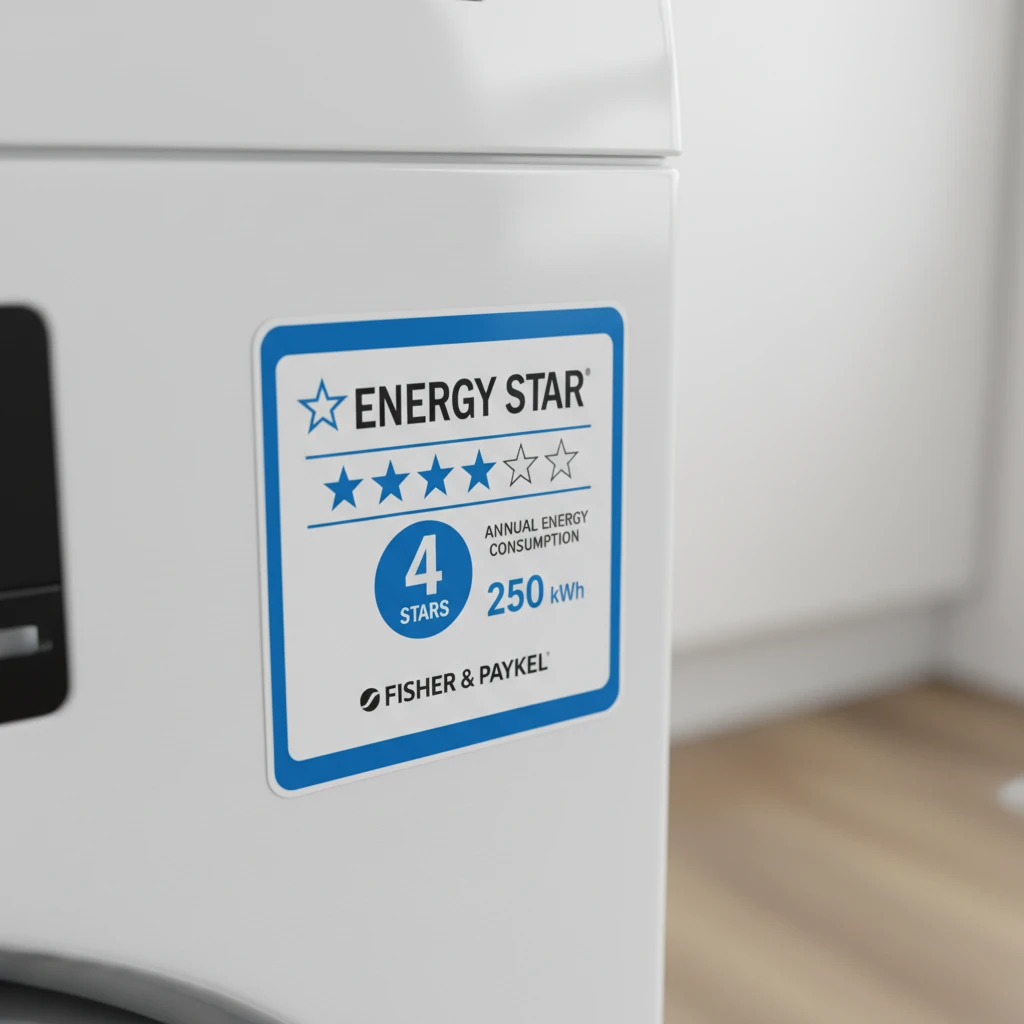
Navigating the appliance market can be overwhelming, but New Zealand’s energy rating labels are your best friend. They provide clear, comparable information about an appliance’s energy performance.
The Energy Star Rating
The most prominent feature is the Energy Star rating. More stars mean more energy efficiency. A 6-star appliance, for example, is significantly more efficient than a 2-star model of the same type and size. Always aim for the highest star rating you can afford, as the long-term savings often outweigh the initial purchase price difference.
Annual Energy Consumption (kWh/year)
Below the stars, you’ll find the estimated annual energy consumption in kilowatt-hours (kWh). This figure is crucial because it tells you how much electricity the appliance is expected to use over a year under standard testing conditions. You can use this number to calculate approximate running costs by multiplying it by your electricity tariff per kWh.
MEPS (Minimum Energy Performance Standards)
New Zealand also has Minimum Energy Performance Standards (MEPS) for certain appliances, meaning that any appliance sold in the country must meet a baseline level of energy efficiency. This protects consumers from truly wasteful products, but aiming for well above MEPS is where the real savings begin.
Key Energy-Guzzling Appliances & Their Efficient Alternatives
Let’s look at some common household appliances and how to choose and use their more efficient counterparts.
Refrigerators & Freezers
- Look for: A high Energy Star rating. Consider the right size for your household to avoid cooling empty space. Features like inverter technology and proper insulation make a big difference.
- Tips: Keep coils clean, ensure door seals are tight, and allow hot food to cool before refrigerating. Avoid placing them next to heat sources.
Washing Machines & Dryers
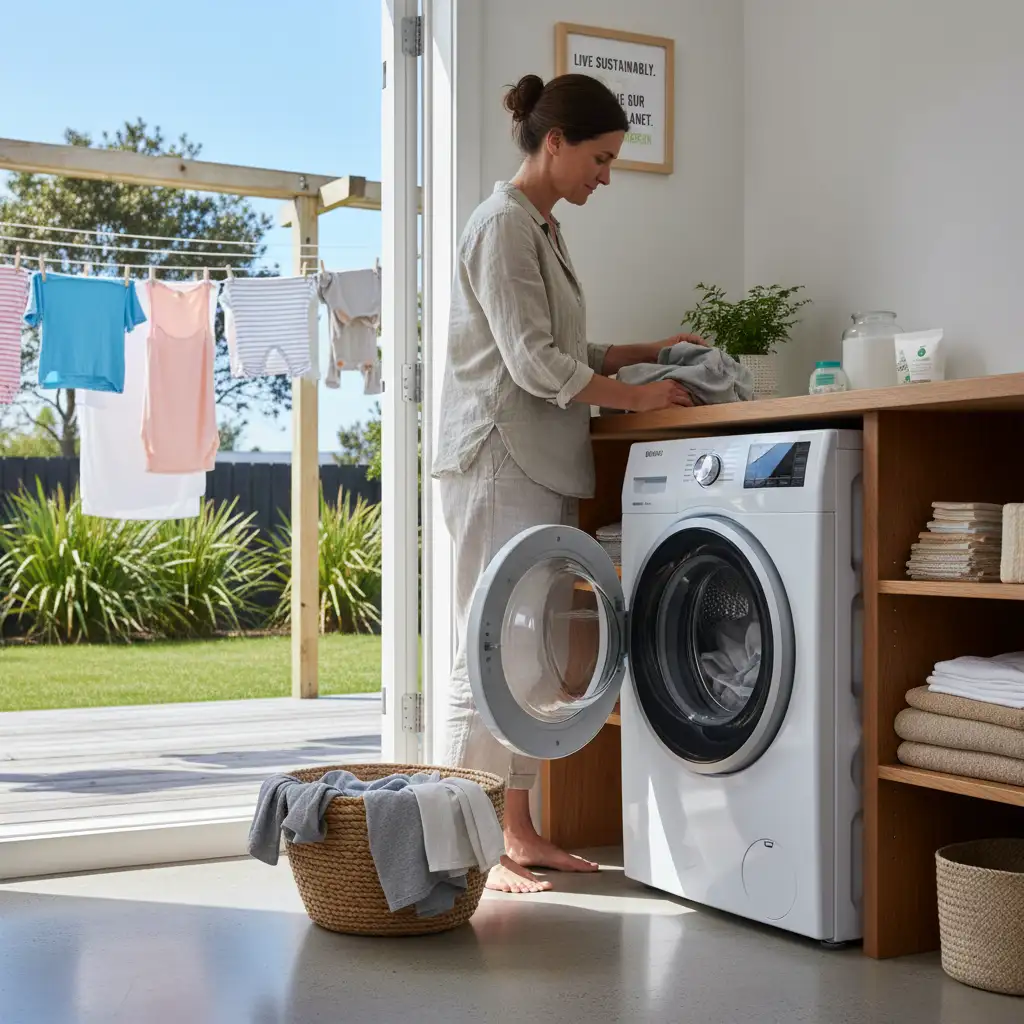
- Look for: Front-loader washing machines generally use less water and energy than top-loaders. Look for models with high WELS (Water Efficiency Labelling and Standards) ratings alongside Energy Star. For dryers, heat pump dryers are the most efficient option by far.
- Tips: Always wash with cold water (most detergents are effective), wash full loads, and utilise New Zealand’s abundant sunshine by line drying whenever possible. If using a dryer, ensure the lint filter is clean.
Dishwashers
- Look for: Models with ‘eco’ or ‘low energy’ wash cycles. Again, check both Energy Star and WELS ratings.
- Tips: Run only full loads and use the eco setting. Scrape plates rather than rinsing them before loading.
Water Heaters
- Look for: Heat pump water heaters are far more efficient than traditional electric hot water cylinders. Solar water heaters are another excellent sustainable option, leveraging NZ’s sunlight.
- Tips: Insulate your hot water cylinder and pipes. Reduce shower times and fix any dripping taps immediately.
Heating & Cooling Systems (Heat Pumps)
- Look for: High-efficiency heat pumps (HVAC systems). Ensure the unit is appropriately sized for your space; an undersized unit will run constantly, an oversized one will cycle inefficiently.
- Tips: Set your thermostat to an optimum temperature (e.g., 18-20°C in winter). Clean filters regularly. Insulate your home well to prevent heat loss/gain.
Lighting
- Look for: LEDs (Light Emitting Diodes) are the undisputed champions of energy-efficient lighting. They use a fraction of the energy of traditional incandescent bulbs and last significantly longer.
- Tips: Turn off lights when leaving a room. Maximise natural light during the day. Consider smart lighting systems for automated savings.
Beyond the Label: Maximising Efficiency
Buying an efficient appliance is only half the battle. How you use and maintain it plays a crucial role in its overall energy consumption. Here are step-by-step actions to ensure you’re getting the most out of your investments:
1. Proper Installation and Maintenance
- Ensure professional installation: Especially for heat pumps and water heaters, correct installation prevents inefficiencies from the start.
- Regular cleaning: Clean refrigerator coils, dryer lint filters, and heat pump filters as recommended. Blockages force appliances to work harder.
- Check seals: Periodically inspect refrigerator and freezer door seals. A simple paper test (if it pulls out easily, the seal is weak) can identify energy leaks.
2. Smart Usage Habits
- Full loads: Only run dishwashers and washing machines when they are full.
- Cold water: Use cold water cycles for laundry whenever possible. Heating water consumes significant energy.
- Thaw in the fridge: Defrost frozen food in the refrigerator overnight; it helps the fridge maintain its temperature, saving energy.
3. Unplugging Phantom Loads (Standby Power)
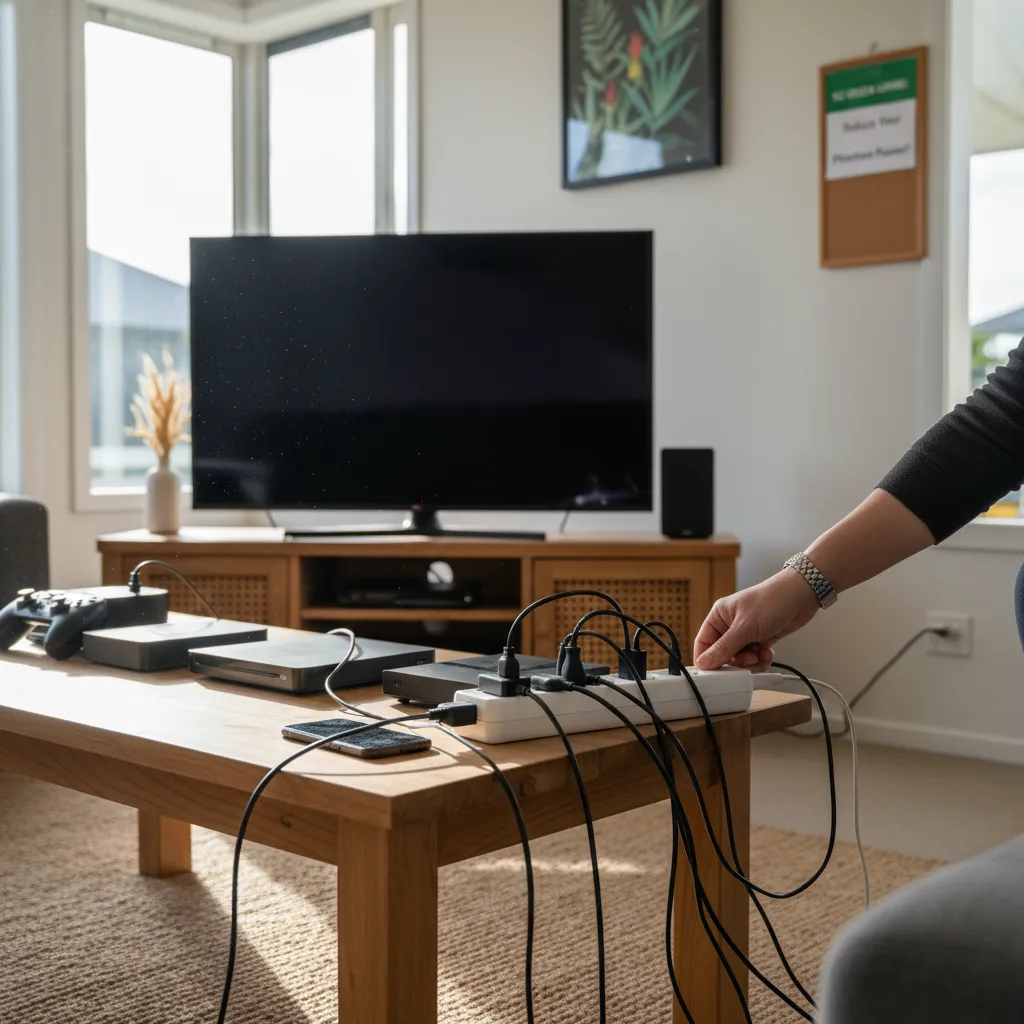
Many electronic devices and appliances continue to draw power even when turned off or in standby mode. These are known as ‘phantom loads’ or ‘vampire power’.
- Use power strips: Connect multiple devices to a single power strip, allowing you to switch them all off at once.
- Unplug chargers: Phone and laptop chargers still consume a small amount of power when left plugged in without a device.
- Identify culprits: TVs, set-top boxes, gaming consoles, and computers are common phantom load offenders.
4. Optimising Settings
- Thermostat control: For heating and cooling, set your thermostat to efficient temperatures (e.g., 18-20°C in winter, 24-26°C in summer). Use timers or smart thermostats to adjust temperatures when you’re away.
- Eco modes: Utilise eco-friendly or energy-saving modes on dishwashers, washing machines, and ovens.
- Water heater temperature: Check your hot water cylinder’s thermostat. Often, it’s set higher than needed. 55-60°C is generally sufficient for safety and comfort.
Government Incentives & Support in New Zealand
New Zealand actively encourages energy efficiency. Organisations like the Energy Efficiency and Conservation Authority (EECA) provide valuable resources, advice, and sometimes even grants or subsidies for making energy-saving home improvements, including installing efficient heating or water heating systems. Always check the latest offerings on their official website or consult with qualified professionals to see what support you might be eligible for.
Your Sustainable Home Starts Today
Making the switch to energy efficient appliances is one of the most effective ways to cut household energy use today. It’s an investment that pays dividends, both for your finances and for the health of our planet. By combining smart purchasing decisions with mindful daily habits, you’ll not only save money but also contribute to a greener, more sustainable New Zealand.
Start by assessing your current appliances, understanding the labels, and making informed choices when it’s time to upgrade. Every small change adds up to a big impact!
Frequently Asked Questions
What are the main benefits of energy efficient appliances?
The main benefits include significantly lower electricity bills, a reduced carbon footprint, improved home comfort, and often better performance and longevity compared to less efficient models.
How do I understand the Energy Star rating in New Zealand?
The New Zealand Energy Star label shows a star rating (more stars = more efficient) and an estimated annual energy consumption in kilowatt-hours (kWh/year). Compare these figures between models of similar size and type to make the best choice.
Are energy efficient appliances more expensive upfront?
Often, yes, the initial purchase price can be higher. However, the operational savings over the lifespan of the appliance typically offset this initial cost, leading to significant net savings. Consider the total cost of ownership, not just the purchase price.
What are ‘phantom loads’ and how can I reduce them?
Phantom loads (or standby power) refer to the electricity consumed by appliances and electronics even when they are turned off but still plugged in. To reduce them, unplug devices when not in use, or use power strips with on/off switches to easily cut power to multiple items.
Where can I find information on government incentives for energy efficiency in New Zealand?
The Energy Efficiency and Conservation Authority (EECA) website (www.eeca.govt.nz) is the best resource for up-to-date information on grants, subsidies, and advice for energy-efficient home improvements in New Zealand.
References/Sources
- Energy Efficiency and Conservation Authority (EECA) – www.eeca.govt.nz
- Consumer NZ – www.consumer.org.nz (for appliance reviews and buying guides)
- Ministry for the Environment, New Zealand – www.mfe.govt.nz