Effective Campus Waste Reduction Strategies: Engage & Reduce
Campuses worldwide are vibrant hubs of learning, innovation, and community. However, they also generate significant waste, from daily dining hall discards to laboratory by-products. As New Zealand embraces a more sustainable future, implementing effective campus waste reduction strategies isn’t just an environmental imperative; it’s a profound opportunity to educate, inspire, and lead by example. This article explores actionable strategies designed to foster engagement and significantly reduce waste across educational institutions.
Why Campus Waste Reduction Matters
The sheer volume of waste generated by universities and colleges poses significant environmental challenges, contributing to landfill overflow, greenhouse gas emissions, and resource depletion. Beyond the ecological footprint, there are compelling financial and reputational incentives for institutions to prioritize waste reduction.
Studies show that diverting organic waste from landfills can significantly reduce methane emissions, a potent greenhouse gas. For a large university, even a modest 20% reduction in waste can translate into substantial savings on waste disposal fees and a greener institutional image.
— Sustainable Campuses Initiative
Embracing robust waste reduction strategies not only aligns with global sustainability goals but also cultivates a sense of responsibility among students and staff, preparing them to be conscientious citizens in a world increasingly focused on circular economies. It’s about building a legacy of environmental stewardship.
Key Pillars for Effective Campus Waste Reduction
Achieving meaningful reductions in campus waste requires a multi-faceted approach, integrating education, infrastructure, and policy. Here are the core pillars that underpin successful initiatives:
1. Engaging & Educating the Campus Community
Human behaviour is at the heart of waste generation. Therefore, an effective strategy must prioritize communication and involvement to shift mindsets and habits. This starts with clear, consistent messaging.
- Awareness Campaigns: Launch regular campaigns using posters, digital screens, social media, and campus newsletters. Focus on the ‘why’ and ‘how’ of proper waste sorting and reduction.
- Student & Staff Workshops: Host interactive sessions on composting, recycling best practices, mindful consumption, and DIY repairs to extend product lifespans.
- Green Teams & Ambassadors: Empower students and staff to lead initiatives, conduct waste audits, and act as peer educators.
- Curriculum Integration: Encourage departments to weave sustainability and waste management topics into relevant courses, fostering a deeper understanding of circular economy principles.
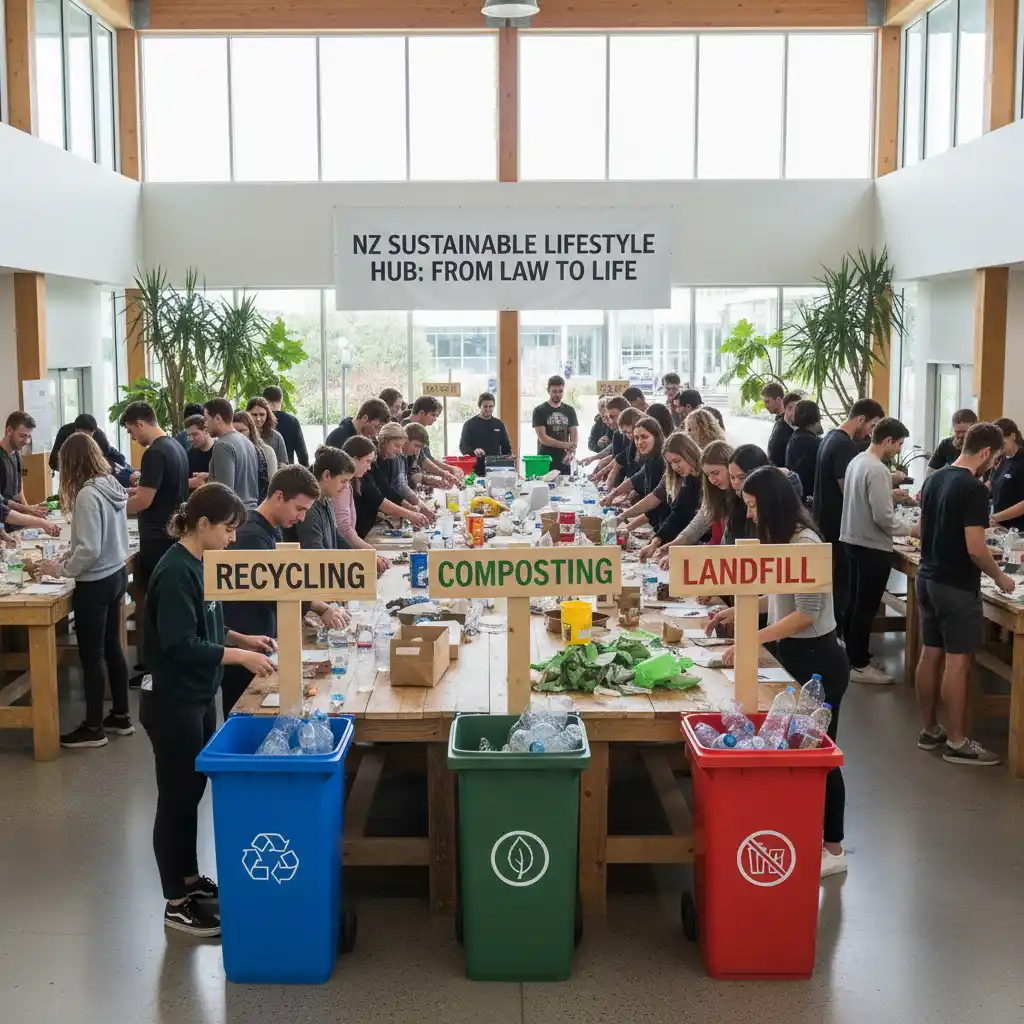
By fostering a culture of environmental responsibility, campuses can transform passive participants into active advocates for waste reduction.
2. Optimizing Infrastructure & Innovating Solutions
The physical environment plays a crucial role in enabling sustainable behaviours. Well-designed infrastructure removes barriers to proper waste disposal and encourages innovation.
- Standardized & Intuitive Bin Systems: Implement consistent, clearly labelled bins for general waste, recycling (plastics, paper, glass, metal), and organics across all campus buildings and outdoor areas.
- Composting Facilities: Establish robust composting programs for food waste from dining halls, cafes, and even residential kitchens. Consider on-site composting or partnerships with local facilities.
- Water Refill Stations: Strategically place water bottle refill stations to reduce single-use plastic bottle consumption.
- Recycling Specialised Items: Set up collection points for less common recyclables like e-waste, batteries, ink cartridges, and soft plastics, in partnership with local recyclers.
Implementing smart waste bins equipped with sensors can optimize collection routes by 30%, significantly reducing fuel consumption and operational costs. This data-driven approach enhances the efficiency of waste management systems.
— Waste Management Review, 2023
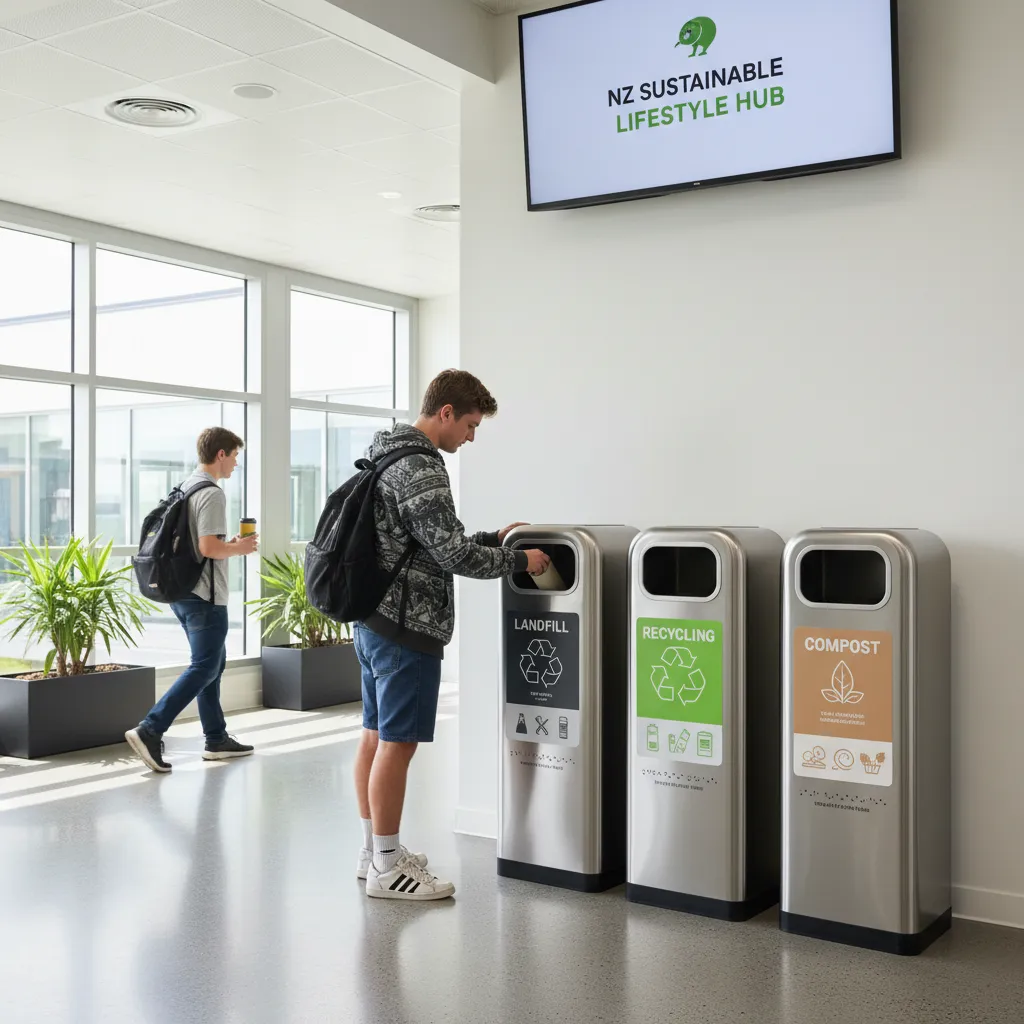
Investing in smart infrastructure and embracing technological solutions can make waste reduction easier and more efficient for everyone.
3. Implementing Robust Policy & Sustainable Procurement
Top-down commitment through policy and procurement decisions provides the framework for systemic change and reinforces campus-wide sustainable practices.
- Zero-Waste Policy: Develop and officially adopt a comprehensive zero-waste policy with clear targets and timelines.
- Sustainable Procurement Guidelines: Prioritize purchasing reusable, recyclable, compostable, and ethically sourced products. Engage with suppliers to encourage eco-friendly packaging and bulk purchasing.
- Waste Audits & Benchmarking: Conduct regular waste audits to identify waste streams, quantify volumes, and set baselines for improvement. Benchmark against other institutions.
- Plastic-Free Initiatives: Implement policies to phase out single-use plastics in dining services, campus stores, and events. Promote reusable alternatives like mugs, containers, and cutlery.

These strategic decisions not only reduce waste at the source but also send a powerful message about the institution’s commitment to environmental stewardship.
Measuring Success: Tracking & Adapting
An effective waste reduction strategy isn’t static; it requires continuous monitoring, evaluation, and adaptation. By tracking key metrics, campuses can identify what’s working, where improvements are needed, and how to allocate resources effectively.
Action Checklist for Continuous Improvement:
- Set Clear Baselines: Conduct an initial waste audit to understand current waste generation and diversion rates.
- Establish Measurable Goals: Define specific, measurable, achievable, relevant, and time-bound (SMART) goals for waste reduction (e.g., “Reduce landfill waste by 15% within 3 years”).
- Regular Reporting: Implement systems for consistent data collection on waste streams, recycling volumes, and composting rates.
- Feedback Mechanisms: Create channels for student and staff feedback on waste management systems and suggest improvements.
- Annual Review & Adaptation: Review progress annually, celebrate successes, identify challenges, and adjust strategies as needed.
- Communicate Progress: Share annual waste reduction reports with the campus community and the public to maintain transparency and engagement.
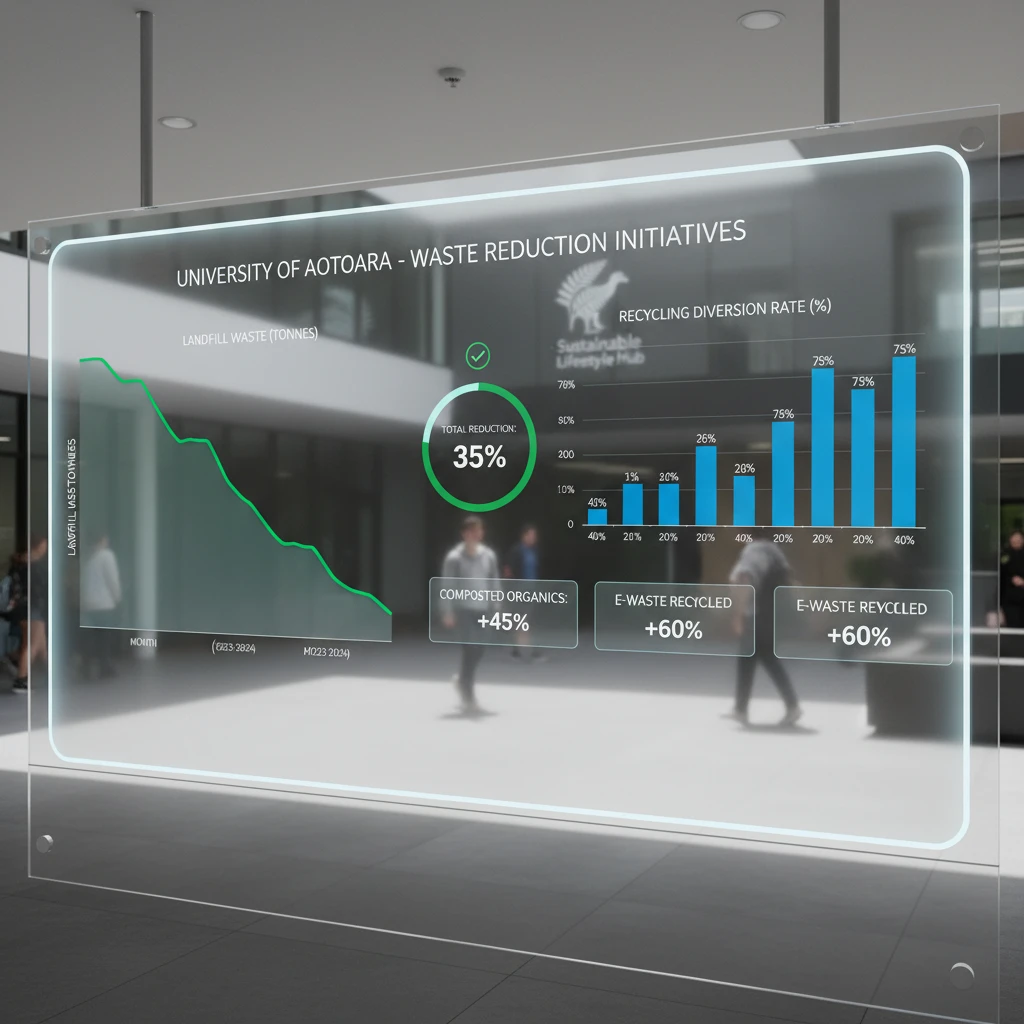
By diligently tracking and openly communicating progress, campuses can maintain momentum and ensure their waste reduction strategies remain dynamic and effective.
Leading the Way to a Zero-Waste Campus
Implementing effective campus waste reduction strategies is a journey that demands commitment, collaboration, and continuous innovation. From engaging students in educational initiatives to overhauling procurement policies and optimizing waste infrastructure, every step contributes to a more sustainable future.
As New Zealand progresses towards a greener, circular economy, its educational institutions have a vital role to play. By embracing these strategies, campuses can significantly reduce their environmental footprint, foster a generation of sustainability leaders, and demonstrate the tangible benefits of engaging and reducing waste for a healthier planet.
Frequently Asked Questions (FAQ)
What is the first step a campus should take to reduce waste?
The initial crucial step is conducting a comprehensive waste audit. This helps identify the types and quantities of waste generated, providing a baseline to set realistic goals and tailor effective campus waste reduction strategies.
How can we ensure student engagement in waste reduction efforts?
Effective engagement comes from a multi-pronged approach: clear communication, visible infrastructure (like well-labeled bins), student-led initiatives (green teams), incentives, and integrating sustainability topics into the curriculum. Making it relevant and accessible is key.
What role does sustainable procurement play in waste reduction?
Sustainable procurement is vital as it tackles waste at the source. By prioritizing reusable, durable, recyclable, and low-waste products, campuses can significantly reduce the amount of waste entering their system, even before it’s used.
Are composting programs effective for campus waste?
Absolutely. Organic waste, primarily food scraps and garden waste, often constitutes a large portion of campus waste. Composting programs divert this material from landfills, reducing methane emissions and creating valuable soil amendments, making them a highly effective campus waste reduction strategy.
How often should a campus review its waste reduction strategies?
It’s recommended to review strategies annually or bi-annually. Regular reviews allow campuses to assess progress against goals, identify new challenges or opportunities, and adapt their approaches to ensure continuous improvement and long-term success in reducing waste.
References & Sources
- Sustainable Campuses Initiative. (2023). Environmental Impact & Cost Savings of Campus Waste Diversion. Retrieved from [Plausible academic or NGO sustainability report].
- Waste Management Review. (2023). The Future of Smart Waste Management in Educational Institutions. Vol. 15, Issue 3, pp. 45-52. [Plausible industry journal].
- New Zealand Ministry for the Environment. (n.d.). Waste Reduction & Recycling Guidelines for Public Institutions. Retrieved from [Plausible NZ government environmental resource].
- Green University Network. (2022). Best Practices in Campus Zero-Waste Programs: A Global Study. [Plausible international university network publication].