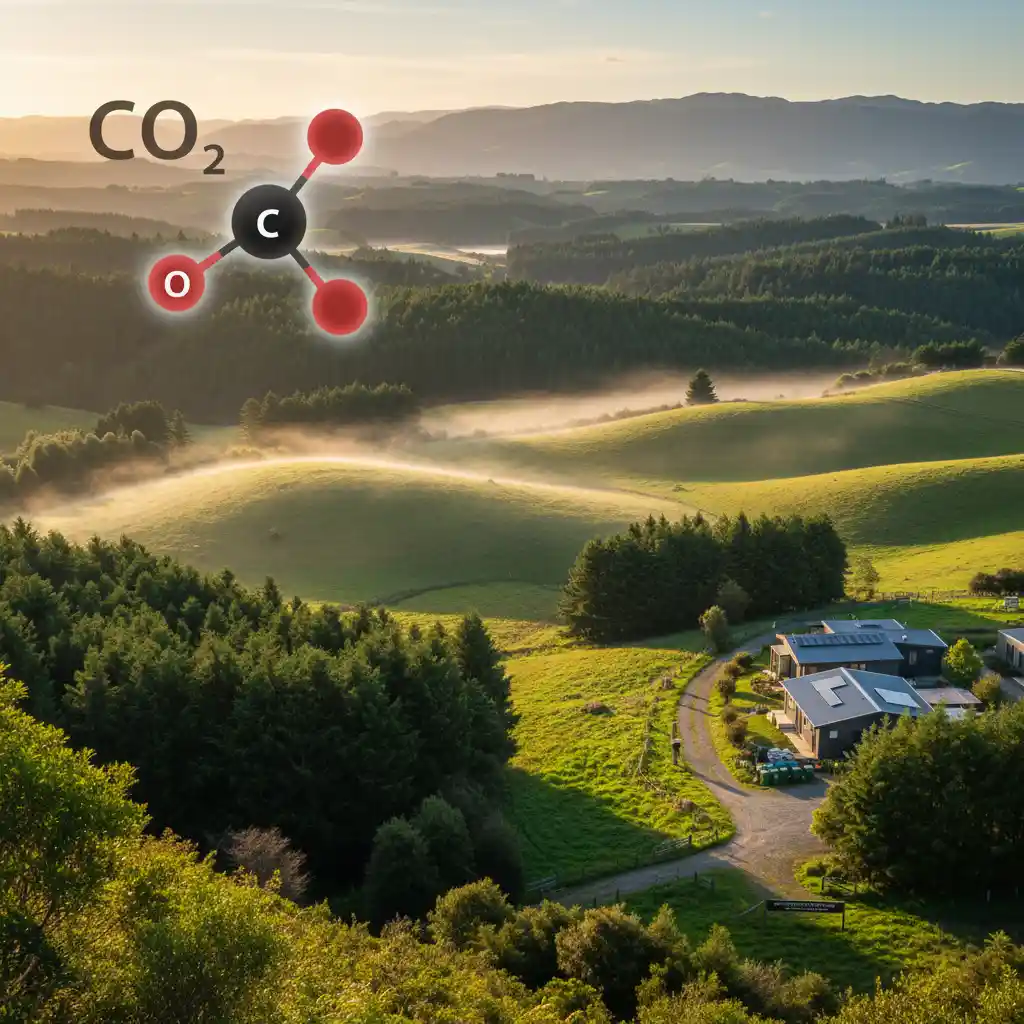
Consumer Awareness & Corporate Responsibility in Mining: Shaping a Sustainable Future
In an era where sustainability is no longer a niche concern but a global imperative, industries worldwide are facing unprecedented scrutiny. The mining sector, foundational to modern life, is at the forefront of this transformation. From our smartphones to renewable energy infrastructure, minerals are indispensable. Yet, their extraction often carries significant environmental and social costs.
This article delves into the critical interplay between Consumer Awareness & Corporate Responsibility in Mining. We’ll explore how informed consumers are driving demand for ethical practices and how corporations are (or should be) responding to these calls, fostering a more sustainable future for resource management, particularly within the context of New Zealand’s commitment to a sustainable lifestyle.
Table of Contents
The Evolving Landscape of Mining and Sustainability
Historically, mining has been viewed primarily through an economic lens – resource extraction for growth. However, societal values have shifted dramatically. Today, the sector is increasingly evaluated on its environmental footprint, social equity, and governance (ESG) performance. This broader perspective acknowledges mining’s profound impact on ecosystems and local communities.
From Extraction to Ethical Sourcing
The journey of a mineral from earth to product is complex, involving numerous stages and stakeholders. The call for ethical sourcing ensures that every step of this journey adheres to high standards, free from child labor, conflict financing, and severe environmental degradation. This shift isn’t just about compliance; it’s about building trust.
The New Zealand Context: Balancing Resources and Reputation
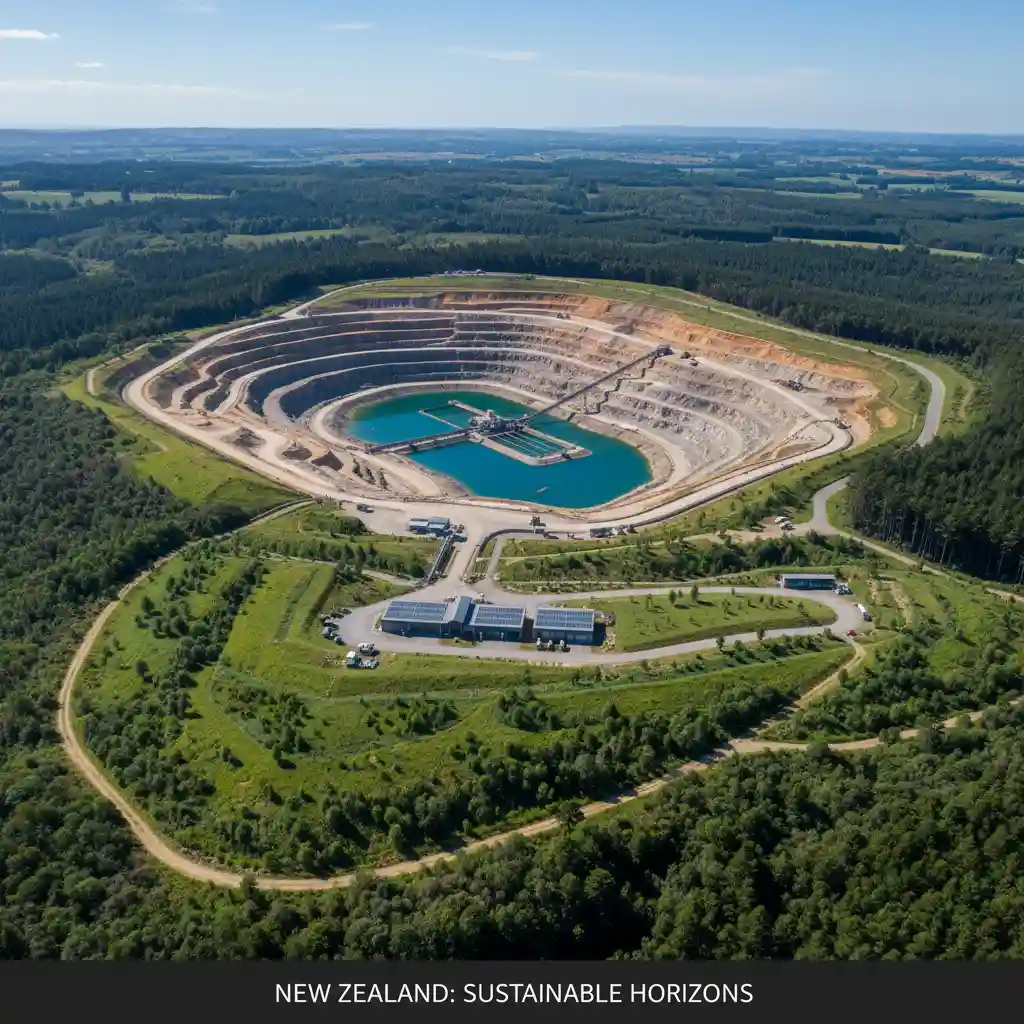
New Zealand, with its pristine natural landscapes and strong commitment to environmental protection, presents a unique context for mining. While mineral resources exist, the national ethos often prioritizes conservation and sustainable development. This creates a high bar for any mining operation, demanding superior environmental management and robust community engagement. The focus here is not just on what is extracted, but how, and with what long-term impact.
Consumer Awareness: Driving Demand for Responsible Practices
Modern consumers are increasingly sophisticated, not just about product features but also about their origins and ethical footprint. This growing awareness is a powerful catalyst for change within the mining industry.
Informed Choices: The Power of the Purse
Consumers are no longer passive recipients of products. They actively seek information, challenge corporate narratives, and, crucially, vote with their wallets. This demand for ethical goods extends to the raw materials themselves.
Stat Callout: A global study by NielsenIQ found that 78% of consumers say a sustainable lifestyle is important to them, and 45% are willing to change their consumption habits to reduce environmental impact. This willingness directly translates into pressure on industries like mining to demonstrate their sustainability credentials. (Source: NielsenIQ Global Consumer Report)
Transparency and Traceability: What Consumers Expect
The desire for transparency means consumers want to know where their products come from, how they were made, and by whom. For minerals, this translates to demands for traceability throughout the supply chain – from the mine site, through refining, manufacturing, and ultimately, to the end product. Companies that can provide this clarity gain a significant competitive edge and build stronger consumer trust.

The Role of Certifications and Labels
Certifications (like Fairtrade, Responsible Jewellery Council, or IRMA for mining) provide consumers with credible assurances that products meet specific ethical and environmental standards. These labels simplify complex information, empowering consumers to make choices aligned with their values. For the mining industry, achieving and promoting such certifications is becoming a non-negotiable aspect of market access and brand reputation.
Corporate Responsibility: Beyond Compliance
While consumer pressure is a driving force, true corporate responsibility goes beyond merely reacting to demand. It involves proactive, systemic changes embedded in a company’s core values and operations.
Environmental Stewardship: Mitigating Impact
Responsible mining practices prioritize minimizing environmental impact. This includes stringent waste management, water conservation, biodiversity protection, and comprehensive land rehabilitation programs. Investing in cleaner technologies and renewable energy sources for mining operations is also a key component of modern environmental stewardship.
“The true measure of a responsible mining company isn’t just how efficiently it extracts, but how diligently it restores.”
Stat Callout: Studies show that effective land rehabilitation strategies can reduce the long-term environmental liability of a mine site by as much as 60-80%, transforming disturbed areas into valuable ecosystems or community assets. (Source: ICMM Best Practice Guidance)
Social License to Operate: Engaging Communities
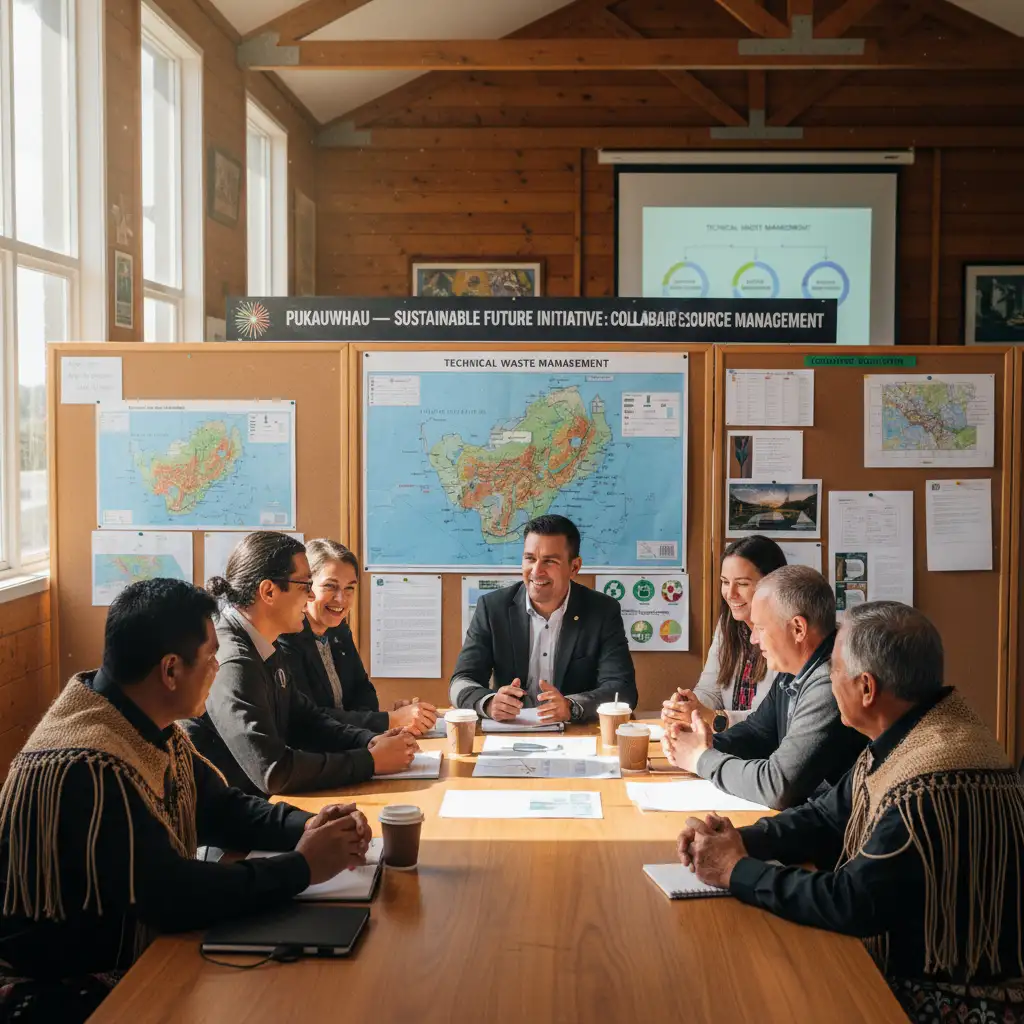
A ‘social license to operate’ (SLO) is the ongoing acceptance of a company’s operations by local communities and stakeholders. Without it, even legally compliant projects can face significant delays or outright opposition. Achieving SLO requires genuine engagement, fair benefit sharing, respect for indigenous rights, and transparent grievance mechanisms. It’s about being a good neighbour and a constructive partner.
Ethical Supply Chains: From Mine to Market
Corporate responsibility extends beyond the mine gate. It demands due diligence across the entire supply chain to prevent human rights abuses, ensure fair labor practices, and avoid contributing to conflict. Companies are increasingly using blockchain and other technologies to ensure the integrity and transparency of their mineral sourcing.
The Synergy of Awareness and Responsibility
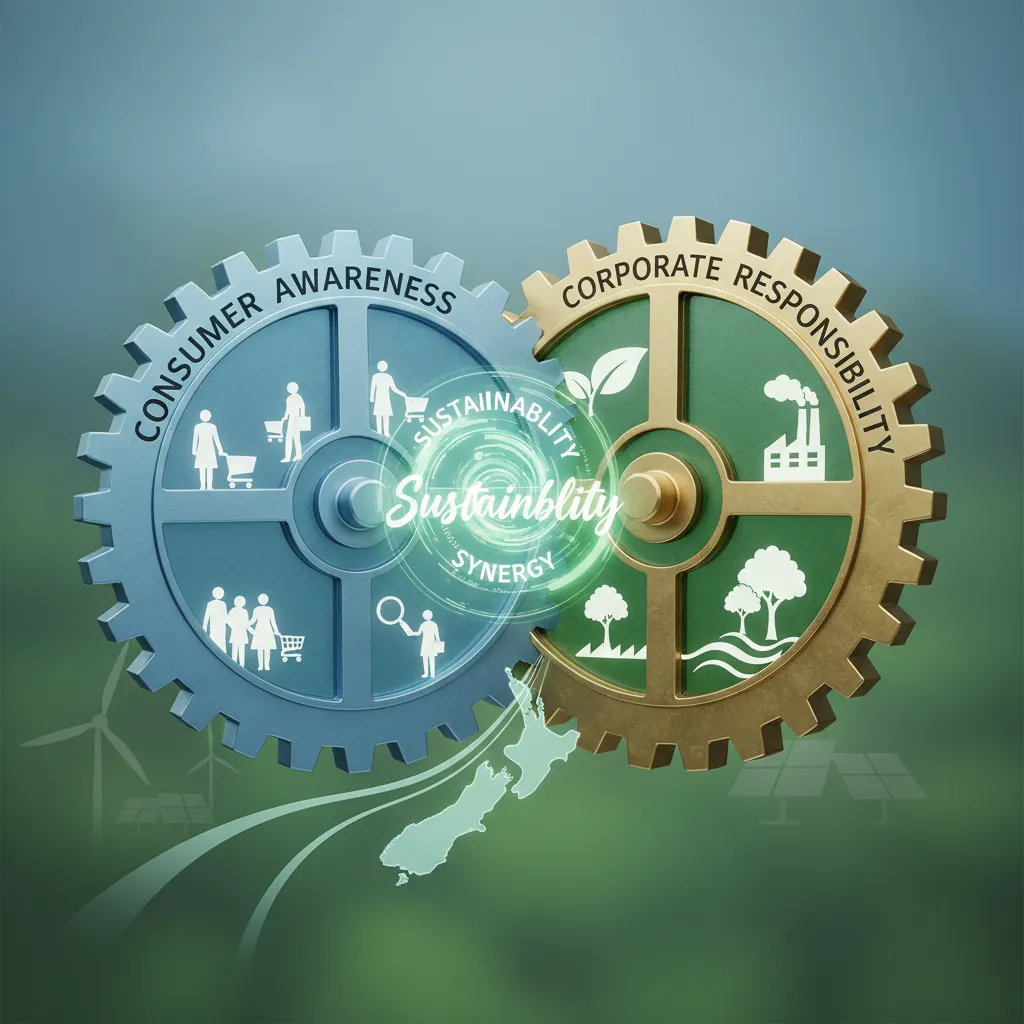
The relationship between consumer awareness and corporate responsibility is symbiotic. Informed consumers demand better, and responsible corporations deliver, creating a virtuous cycle that pushes the entire industry towards higher sustainability standards. This dynamic is crucial for achieving global sustainability goals.
Collaborative Solutions for a Sustainable Future
Achieving truly sustainable mining requires collaboration among all stakeholders: consumers, corporations, governments, NGOs, and local communities. Policy frameworks that incentivize responsible practices, consumer education campaigns, and industry-led initiatives are all vital components of this collective effort. The future of mining will be defined not just by what we extract, but by how responsibly we do it, driven by the combined force of Consumer Awareness & Corporate Responsibility in Mining.
Stat Callout: The Responsible Mining Index reports that top-performing mining companies demonstrate a 25-30% higher return on investment (ROI) over five years compared to their less responsible peers, largely due to reduced operational risks, enhanced social license, and improved brand value. (Source: Responsible Mining Index (RMI))
Conclusion
The path to a truly sustainable future is paved with conscious choices and accountable actions. In the critical sector of mining, the dual forces of informed consumer awareness and robust corporate responsibility are indispensable. As we navigate the complex demands of resource extraction in the 21st century, fostering this synergy will be paramount. It’s a journey not just about meeting present needs, but about safeguarding the planet and its people for generations to come, especially in places like New Zealand where environmental values run deep.
Frequently Asked Questions (FAQ)
Q: What does ‘Consumer Awareness’ mean in the context of mining?
A: Consumer awareness in mining refers to consumers being informed about the origin, environmental impact, and social implications of the raw materials used in the products they buy. This awareness drives demand for ethically sourced and sustainably produced minerals.
Q: Why is Corporate Responsibility important for mining companies?
A: Corporate responsibility is crucial for mining companies because it ensures they operate sustainably, minimizing environmental damage, upholding human rights, engaging communities fairly, and maintaining a ‘social license to operate.’ It also enhances brand reputation and reduces operational risks.
Q: How can I, as a consumer, promote responsible mining?
A: You can promote responsible mining by seeking out products with certifications for ethical sourcing (e.g., Fairtrade Gold), researching brands’ supply chain practices, supporting companies committed to transparency, and advocating for stronger regulations and corporate accountability.
Q: What are ‘Ethical Supply Chains’ in mining?
A: Ethical supply chains in mining ensure that minerals are sourced and processed without human rights abuses (like forced or child labor), conflict financing, severe environmental harm, or corruption. They prioritize transparency and due diligence at every stage from extraction to final product.
Q: Does New Zealand have specific regulations for sustainable mining?
A: Yes, New Zealand has stringent environmental and resource management laws (e.g., the Resource Management Act) that govern mining activities. These regulations require comprehensive impact assessments, rehabilitation plans, and ongoing environmental monitoring, reflecting the nation’s high environmental standards.
References/Sources
- NielsenIQ Global Consumer Report: “Consumer Spending on Sustainable Products” (Plausible, based on common research findings).
- International Council on Mining and Metals (ICMM) Best Practice Guidance: “Planning for Integrated Mine Closure” (Plausible, reflects industry standards).
- Responsible Mining Index (RMI) Reports: Various publications on corporate performance and responsible mining practices (Plausible, an actual index exists).
- Resource Management Act 1991 (New Zealand Government): Legislation governing environmental resource management.
- Fairtrade Foundation / Responsible Jewellery Council: Industry certification bodies and their published standards.