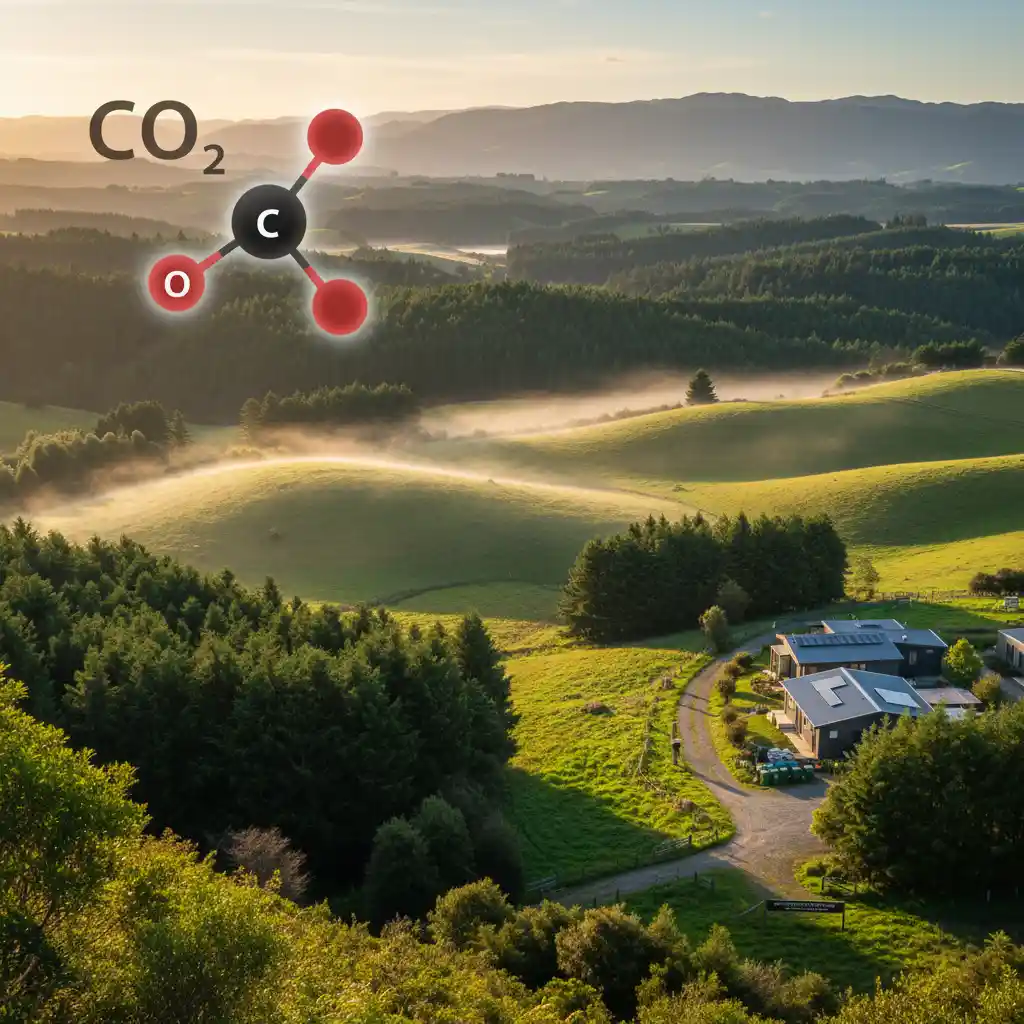
Conserving Resources: Protecting Biodiversity & Ecosystems
In our journey towards a sustainable future, few concepts are as fundamental and interconnected as conserving resources and protecting biodiversity and ecosystems. From the majestic kauri forests of Northland to the pristine fjords of Fiordland, New Zealand is a treasure trove of unique natural beauty and ecological diversity. Yet, like the rest of the world, our precious environment faces unprecedented threats.
This article delves into the critical importance of resource conservation, explores the intricate web of life that makes up our biodiversity, and outlines practical steps we can all take to safeguard our planet for future generations. It’s not just about turning off lights; it’s about understanding our deep connection to the natural world and acting decisively.
Table of Contents
- What is Resource Conservation?
- The Crisis: Why Biodiversity Matters (and is Threatened)
- Ecosystem Services: Nature’s Unsung Heroes
- Human Impact: Our Footprint on Aotearoa and Beyond
- Practical Steps for Conserving Resources
- The Role of Individuals and Communities
- The Future of Conservation: A Sustainable New Zealand
- Frequently Asked Questions
- References & Sources
What is Resource Conservation?
At its core, resource conservation is about the responsible management and protection of Earth’s natural resources. This includes everything from the water we drink and the air we breathe, to the minerals in our soil, the energy we consume, and the vast diversity of plant and animal life. It’s about using these resources wisely, ensuring their availability for future generations, and minimizing our environmental impact.
For New Zealanders, this often translates to protecting our unique native species, managing our waterways, reducing waste, and embracing renewable energy. It’s a holistic approach that acknowledges the finite nature of our planet’s assets.
The Crisis: Why Biodiversity Matters (and is Threatened)
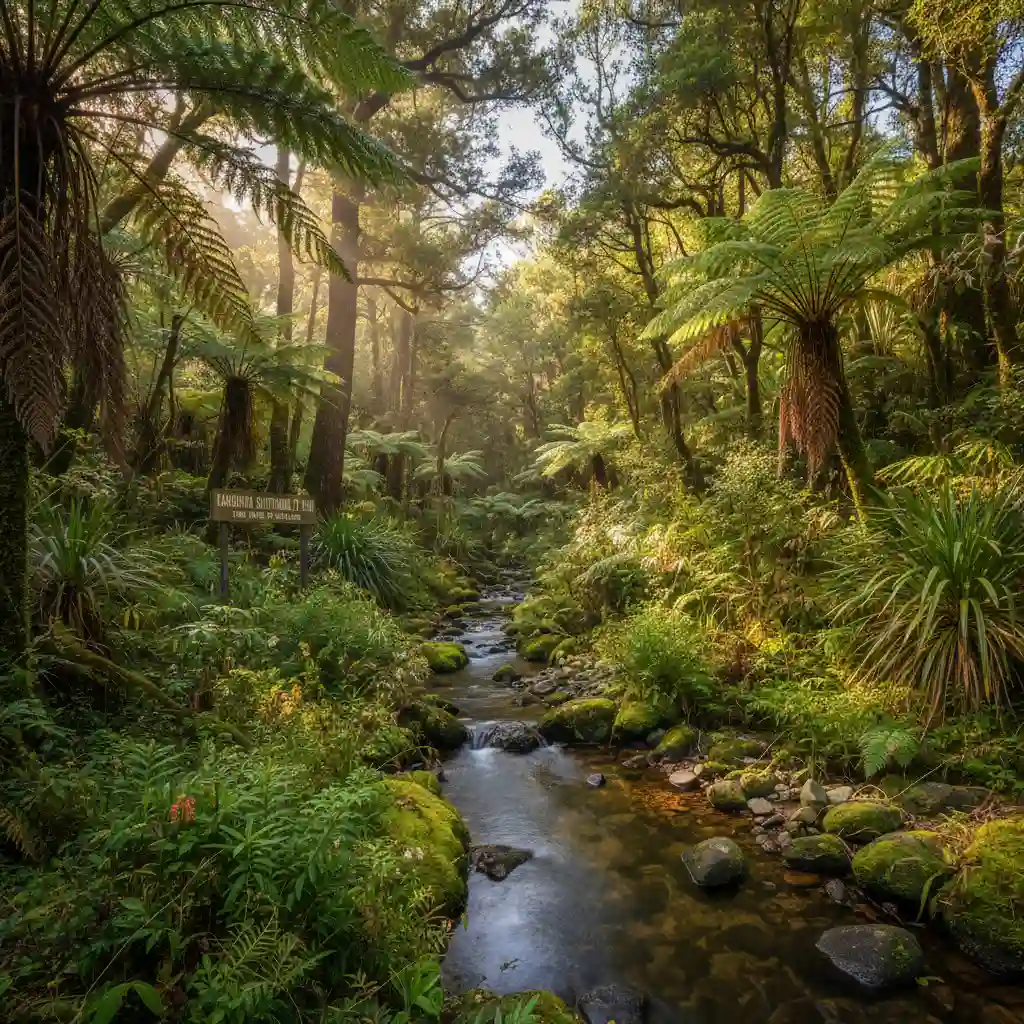
Biodiversity, or biological diversity, refers to the variety of life on Earth at all its levels, from genes to ecosystems. It is the bedrock of our planet’s health and provides countless benefits, from pollination of crops to natural disaster protection. In New Zealand, our biodiversity is globally significant, with a high proportion of endemic species – those found nowhere else on Earth.
“Our native species, from the kiwi to the kauri, are not just symbols of our nation; they are integral to the health of our land and waters, offering unique insights into evolution and ecological resilience.”
However, this precious biodiversity is under immense pressure. Key threats include:
- Habitat Loss and Degradation: Deforestation, urban sprawl, and agricultural expansion destroy natural habitats.
- Climate Change: Shifting weather patterns, rising sea levels, and extreme weather events push species to their limits.
- Pollution: Contamination of air, water, and soil harms ecosystems and wildlife.
- Invasive Species: Non-native plants and animals can outcompete, prey on, or spread diseases to native species, a particularly significant issue in New Zealand.
- Overexploitation: Unsustainable fishing, hunting, and logging deplete populations.
Critical Biodiversity Stats:
- Globally, approximately 1 million animal and plant species are threatened with extinction, many within decades. (Source: IPBES Global Assessment Report)
- New Zealand has lost significant percentages of its original forest cover, impacting unique endemic species. (Source: Ministry for the Environment)
- It is estimated that over 80% of New Zealand’s reptiles, frogs, and bats are endemic, making them exceptionally vulnerable to local environmental changes. (Source: Department of Conservation)
Ecosystem Services: Nature’s Unsung Heroes
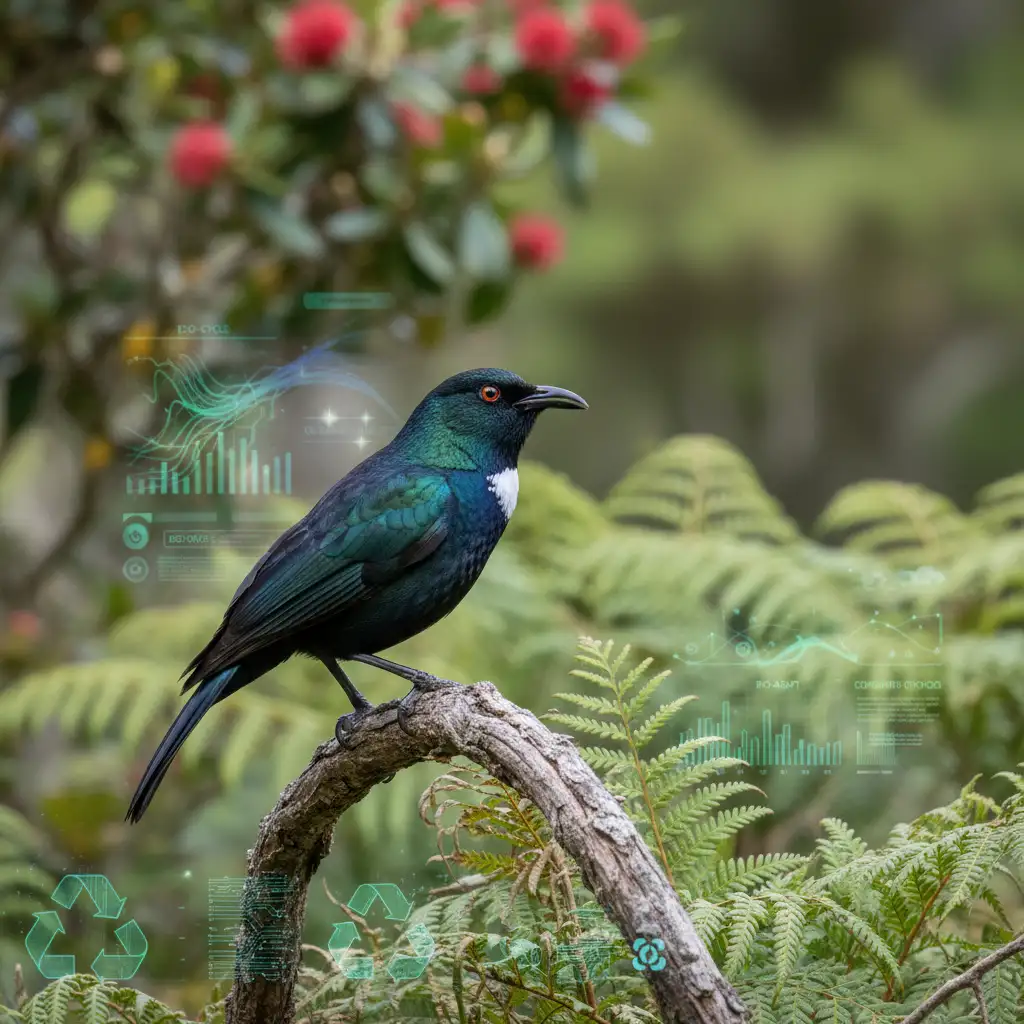
Healthy ecosystems provide invaluable “services” that are essential for human survival and well-being, often without us even realizing it. These include:
- Provisioning Services: Food, fresh water, timber, fiber, medicinal plants.
- Regulating Services: Climate regulation, flood control, disease regulation, water purification, air quality maintenance.
- Cultural Services: Recreation, spiritual enrichment, aesthetic beauty, mental health benefits.
- Supporting Services: Soil formation, nutrient cycling, pollination.
When we damage ecosystems, we degrade these services, leading to greater costs and reduced quality of life. Conserving resources: protecting biodiversity & ecosystems is thus not just an environmental issue, but an economic and social one too.
Human Impact: Our Footprint on Aotearoa and Beyond
Our consumption patterns and lifestyles directly contribute to resource depletion and biodiversity loss. From the energy we use to power our homes and transport, to the products we buy and the food we eat, every choice has an environmental ripple effect. In New Zealand, we face particular challenges related to agriculture, urban expansion, and our reliance on certain resources.
Understanding our individual and collective ecological footprint is the first step towards more sustainable living. It empowers us to make informed decisions that lessen our impact.
Practical Steps for Conserving Resources
While the scale of the challenge can seem daunting, there are many effective ways we can all contribute to conserving resources and protecting biodiversity and ecosystems in our daily lives.
Reduce, Reuse, Recycle: Beyond the Bin
- Reduce: Buy less, choose durable products, opt for experiences over material goods.
- Reuse: Repair items, borrow or rent instead of buying new, use reusable bags, bottles, and containers.
- Recycle: Understand local recycling rules and correctly sort your waste to ensure it’s processed effectively.
Sustainable Consumption Choices
- Food: Choose locally grown, seasonal produce, reduce meat consumption, minimize food waste.
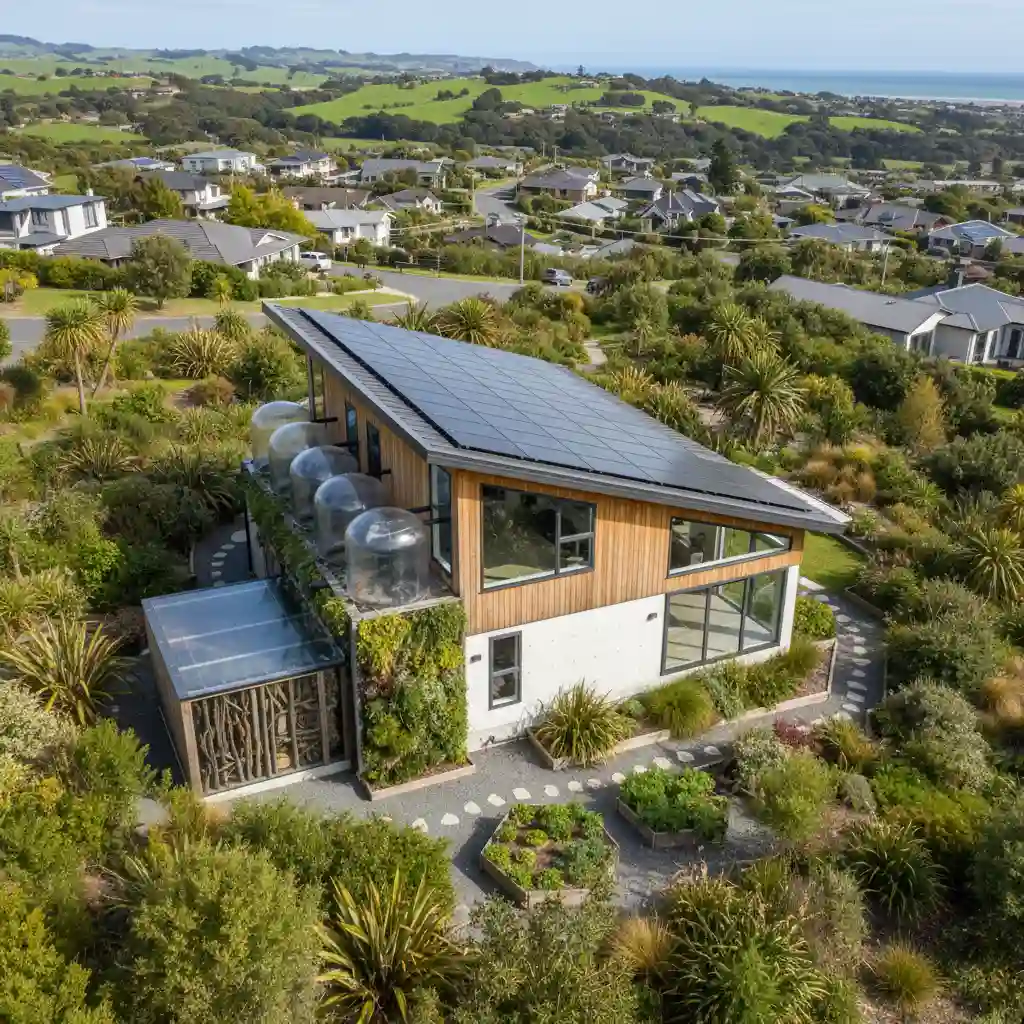
- Energy: Improve home insulation, switch to energy-efficient appliances, consider renewable energy sources like solar.
- Water: Install water-saving devices, fix leaks, practice mindful water use in gardens and homes.
- Transport: Walk, cycle, use public transport, or carpool. Consider electric vehicles if feasible.
Supporting Local Conservation Efforts
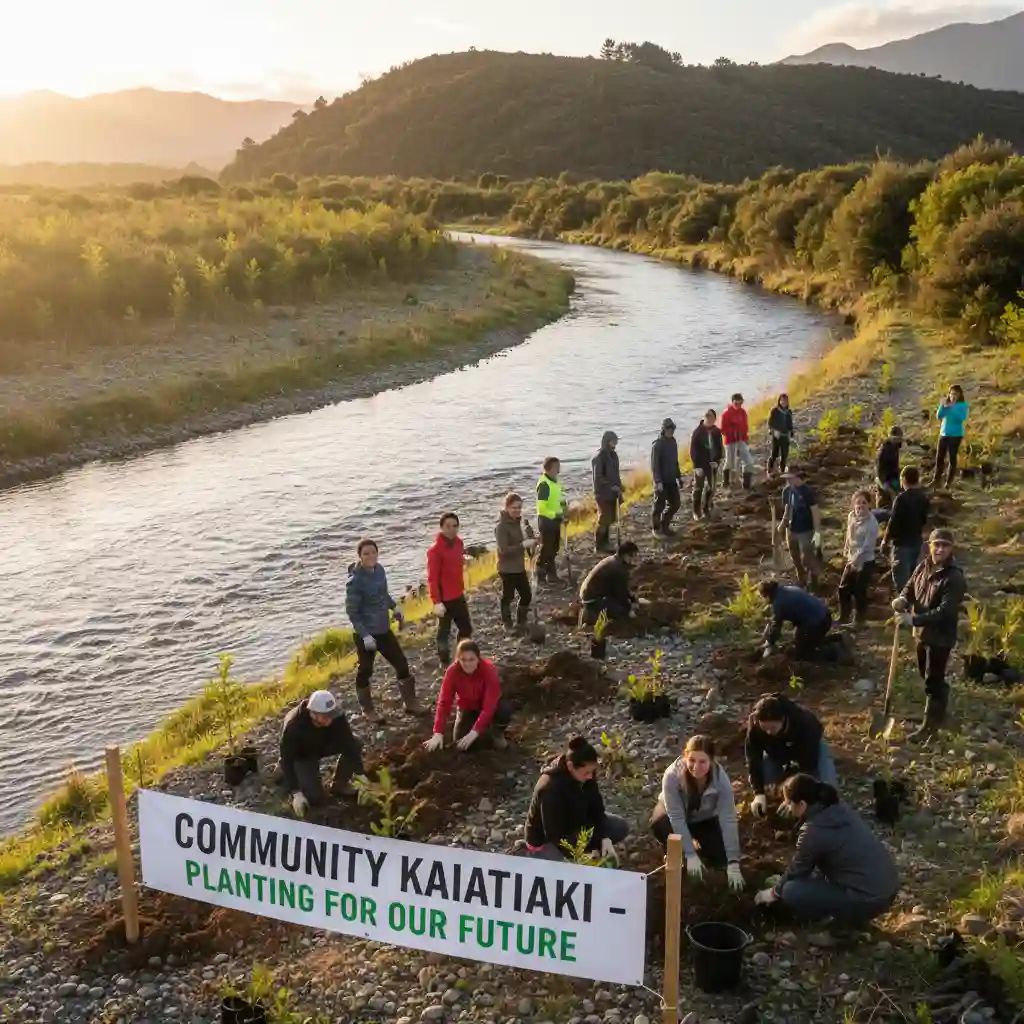
Get involved with local conservation groups, volunteer for tree planting or pest control initiatives, or donate to organisations working to protect New Zealand’s unique environment. Your support directly aids the protection of native species and habitats.
Advocacy and Education
Speak up for the environment. Share your knowledge with friends and family. Encourage sustainable practices in your workplace, school, or community. Informed citizens are powerful agents of change.
The Role of Individuals and Communities
Individual actions, when multiplied across communities, can create profound change. From backyard composting to community gardens, riparian planting projects, and predator trapping groups, collective efforts are making a tangible difference in New Zealand. These initiatives not only conserve resources but also foster stronger, more resilient communities.
“Every single choice we make, no matter how small, contributes to the larger narrative of our planet’s future. Together, we can write a story of hope and regeneration.”
Your Conservation Action Checklist:
- ✓ Commit to reducing your waste footprint this month.
- ✓ Research one local New Zealand conservation group and consider volunteering or donating.
- ✓ Make a conscious effort to buy locally sourced and seasonal food this week.
- ✓ Conduct an energy audit of your home and identify one way to reduce consumption.
- ✓ Share the importance of conserving resources: protecting biodiversity & ecosystems with at least one person.
The Future of Conservation: A Sustainable New Zealand
The future health of New Zealand’s environment and economy depends heavily on our commitment to conserving resources: protecting biodiversity & ecosystems. By embracing sustainable practices, supporting innovative solutions, and fostering a deep respect for Papatūānuku (Mother Earth), we can ensure that Aotearoa continues to thrive as a haven of natural beauty and ecological resilience.
It’s a journey that requires continuous learning, adaptation, and collective action, but one that promises a richer, healthier world for all.
Frequently Asked Questions
Why is conserving resources important for New Zealand?
Conserving resources is vital for New Zealand because our economy, culture, and unique biodiversity are intrinsically linked to our natural environment. It ensures the availability of fresh water, clean air, and productive land, protects our endemic species, and supports our tourism and primary industries for future generations.
What is the biggest threat to biodiversity in New Zealand?
While habitat loss and climate change are significant global threats, invasive predatory mammals (like stoats, rats, and possums) are often cited as the biggest immediate threat to New Zealand’s native birds and other unique species, many of which evolved without ground predators.
How can individuals make a difference in resource conservation?
Individuals can make a significant difference by reducing their consumption, reusing items, recycling correctly, choosing sustainable products, conserving water and energy, supporting local conservation initiatives, and advocating for environmental policies. Every small action collectively adds up to a large impact.
What are ecosystem services?
Ecosystem services are the many benefits that humans receive from ecosystems. These include provisioning services (e.g., food, water), regulating services (e.g., climate control, flood regulation), cultural services (e.g., recreation, spiritual), and supporting services (e.g., nutrient cycling, soil formation).
Does recycling truly help in conserving resources?
Yes, recycling plays a crucial role. It reduces the need to extract new raw materials, saves energy required for virgin material production, decreases landfill waste, and lowers pollution. However, it’s most effective when combined with reducing overall consumption and reusing items first.
References & Sources
- Intergovernmental Science-Policy Platform on Biodiversity and Ecosystem Services (IPBES). (2019). Global Assessment Report on Biodiversity and Ecosystem Services.
- New Zealand Ministry for the Environment (MfE). Environment Aotearoa 2019. Retrieved from environment.govt.nz
- New Zealand Department of Conservation (DOC). Conservation Aotearoa. Retrieved from doc.govt.nz
- United Nations Environment Programme (UNEP). Ecosystem Services. Retrieved from unep.org
- Our World in Data. Biodiversity. Retrieved from ourworldindata.org