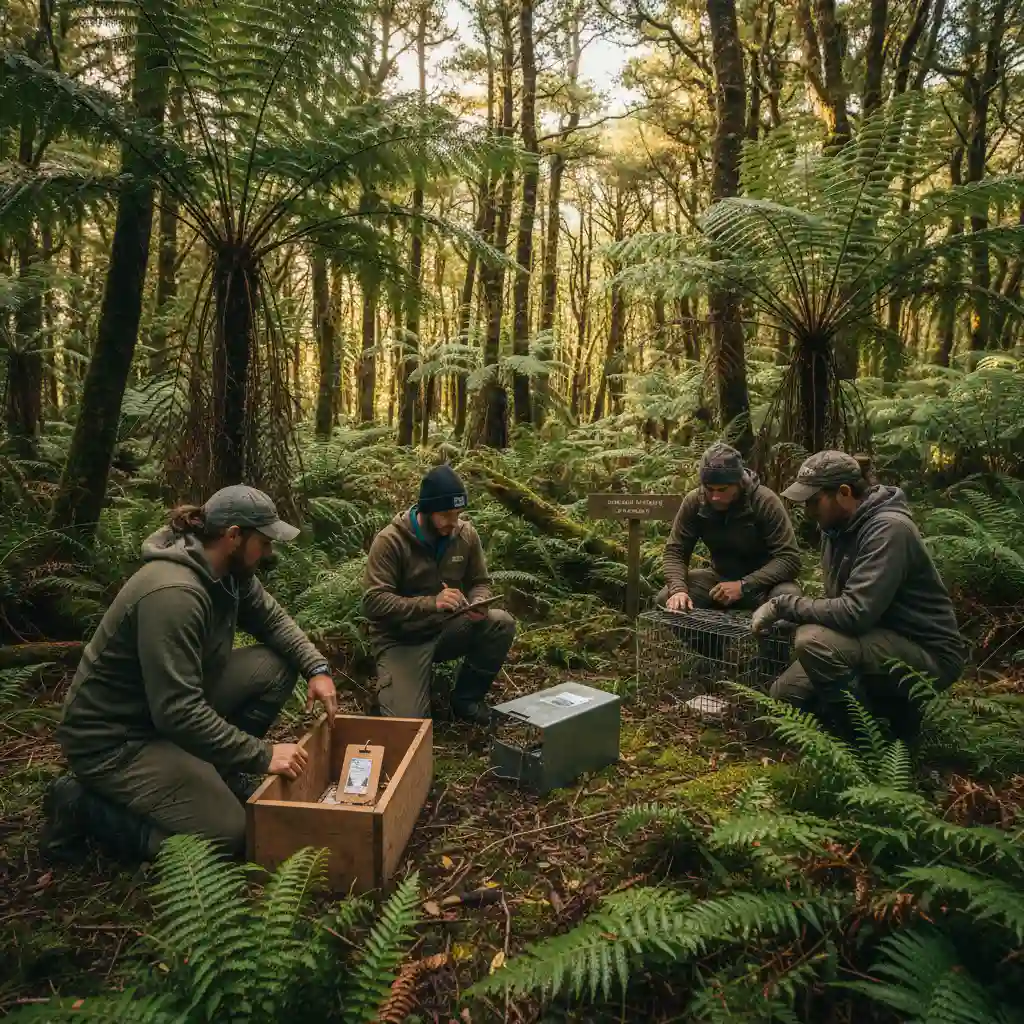
Sustainable Gardening & Urban Farming in NZ: Embracing Permaculture for a Greener Aotearoa
Ever dreamed of a vibrant, productive garden that works with nature, not against it? In Aotearoa, New Zealand, the movement towards sustainable living is blossoming, and nowhere is this more evident than in our gardens. From backyard plots to urban rooftops, Kiwis are discovering the profound benefits of cultivating their own food and fostering biodiversity.
This comprehensive guide explores the principles of sustainable gardening and urban farming, with a special focus on permaculture NZ – a design philosophy that champions ecological harmony and self-sufficiency. Join us as we delve into creating resilient, abundant spaces right outside your door, whether you’re in a sprawling rural landscape or a bustling city centre.
Table of Contents
- Understanding Permaculture Principles in New Zealand
- Cultivating Life: Compost and Soil Health
- Thirsty Roots No More: Waterwise Gardening Techniques
- Welcoming Wildlife: Native Plants for Biodiversity
- Growing in the City: Urban Farming Initiatives in NZ
- Frequently Asked Questions about Sustainable Gardening in NZ
- References & Resources
Understanding Permaculture Principles in New Zealand
At the heart of sustainable gardening lies permaculture, a design system for creating sustainable human habitats and agricultural systems. Coined in the 1970s by Australians Bill Mollison and David Holmgren, permaculture draws inspiration from natural ecosystems to design productive systems that are resilient, self-sufficient, and beneficial to the planet. For permaculture NZ practitioners, this means adapting global principles to local conditions, respecting indigenous knowledge, and leveraging New Zealand’s unique flora and fauna.
“Permaculture is about observing and interacting with nature, designing systems that meet human needs while enhancing ecosystem health and stability.”
Key Permaculture Principles for Your NZ Garden:
- Observe & Interact: Spend time understanding your site – sun paths, wind patterns, existing flora and fauna. This local understanding is crucial for any successful permaculture design in NZ.
- Catch & Store Energy: Harvest water, sunlight, and even human energy efficiently. Think about rainwater tanks, solar orientation for plants, and efficient pathways.
- Obtain a Yield: Ensure you’re getting useful produce, not just busy work. This could be food, fibre, timber, or even aesthetic beauty and healthy ecosystems.
- Apply Self-Regulation & Accept Feedback: Monitor your system and be prepared to adapt. Nature provides constant feedback; learn from it.
- Use & Value Renewable Resources & Services: Rely on natural cycles and avoid finite resources. Embrace composting, natural pest control, and companion planting.
- Produce No Waste: Turn ‘waste’ into a resource. Kitchen scraps become compost, fallen leaves become mulch.
Cultivating Life: Compost and Soil Health
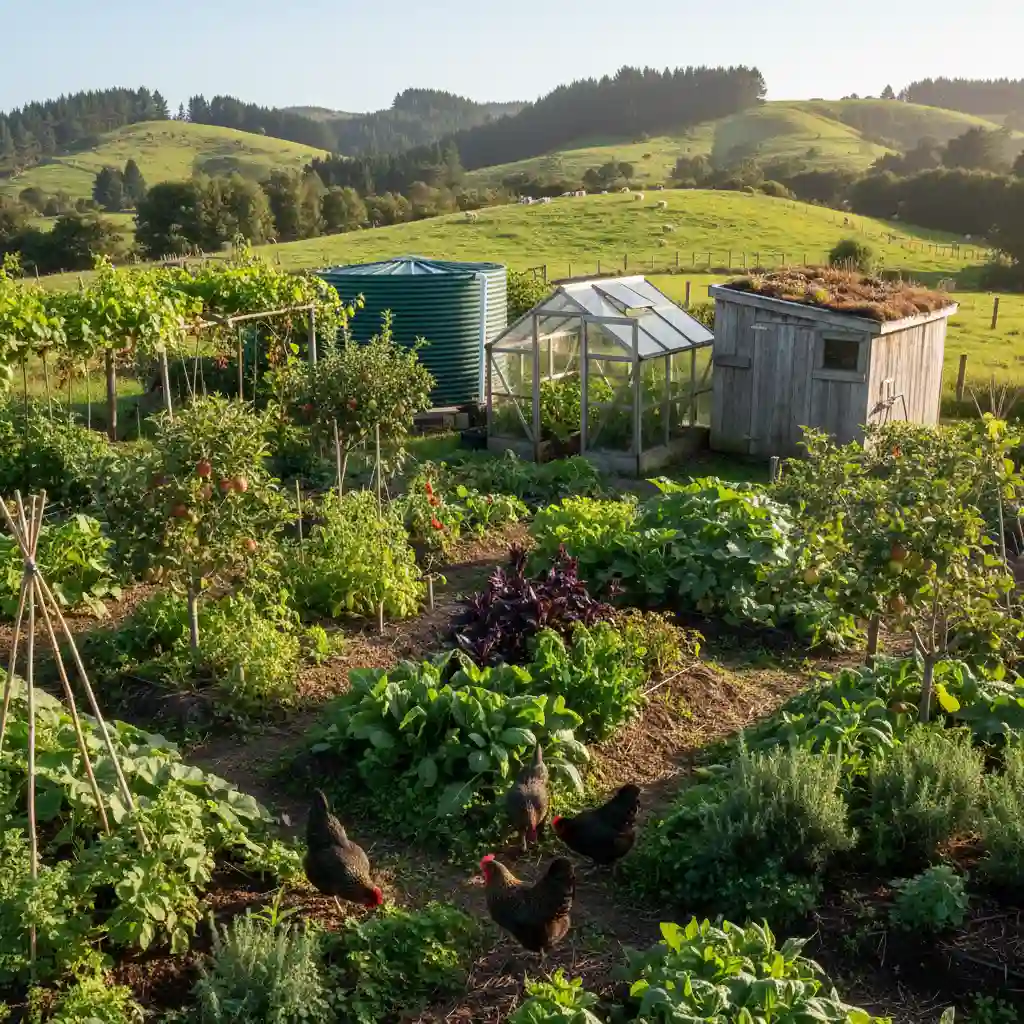
Healthy soil is the bedrock of a thriving garden. In New Zealand, our diverse soil types benefit immensely from organic matter, and composting is one of the most effective ways to enrich your soil, reduce waste, and feed your plants naturally. It’s a fundamental practice for any sustainable gardener or urban farmer.
Step-by-Step: Creating Your Own Compost Bin
- 1. Choose Your Location: Find a shady spot, ideally on bare earth, close to your kitchen and garden. Ensure good air circulation but protection from strong winds.
- 2. Select Your Bin: Options include commercial plastic bins, DIY wooden pallets, simple wire mesh cylinders, or even dedicated worm farms (vermicomposting) for smaller spaces.
- 3. Layering ‘Greens’ and ‘Browns’: Alternate layers of nitrogen-rich ‘greens’ (kitchen scraps, fresh grass clippings, coffee grounds) and carbon-rich ‘browns’ (dry leaves, shredded cardboard, wood chips, newspaper). Aim for a roughly 50/50 mix.
- 4. Keep it Moist: The compost should feel like a wrung-out sponge – not soggy, not dusty. Add water if it’s too dry, or more browns if it’s too wet.
- 5. Turn Regularly: Aerate your compost every week or two to speed up decomposition and prevent odours. This introduces oxygen crucial for the beneficial microbes.
- 6. Harvest Your Gold: Once dark, crumbly, and earthy-smelling, your compost is ready! Use it to enrich garden beds, top-dress plants, or mix into potting mixes.
Thirsty Roots No More: Waterwise Gardening Techniques
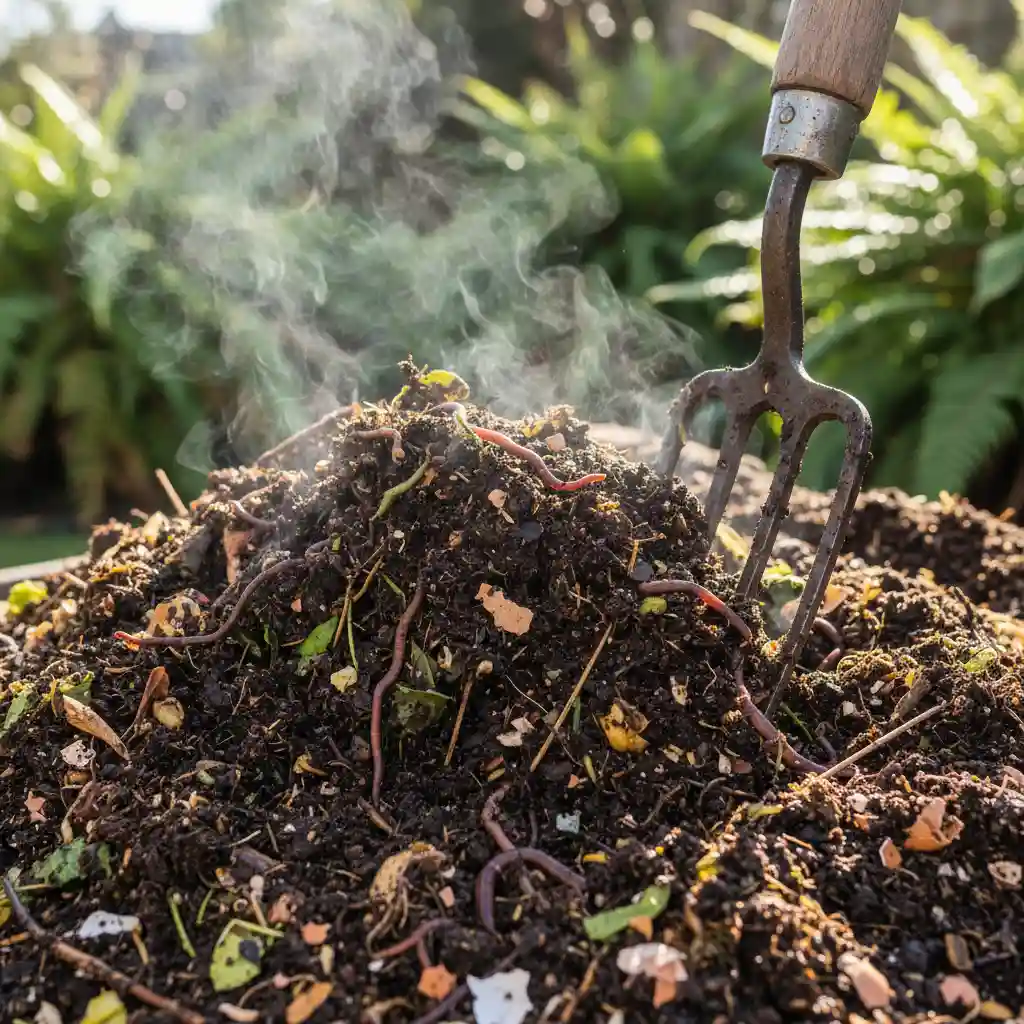
Water is a precious resource, and practicing waterwise gardening is crucial in New Zealand, especially during our often-dry summers. By implementing smart irrigation and cultivation methods, you can significantly reduce your water consumption while maintaining a vibrant, productive garden. This is a core tenet of effective permaculture NZ design, focusing on resource capture and efficient use.
Key Water Saving Strategies:
- Mulch, Mulch, Mulch: A generous layer of organic mulch (straw, wood chips, compost, or even newspaper) around plants suppresses weeds and drastically reduces water evaporation from the soil surface.
- Water at the Right Time: Water in the early morning or late evening to minimise evaporation and allow plants to absorb moisture before the sun gets too strong.
- Targeted, Deep Watering: Water deeply and less frequently, encouraging roots to grow deeper where soil moisture is more consistent. Use drip irrigation or soaker hoses for maximum efficiency, delivering water directly to the root zone.
- Choose Drought-Tolerant Plants: Select species that naturally require less water, especially those adapted to local conditions, including many NZ natives.
- Rainwater Harvesting: Install a rain barrel or larger tank to capture rainwater from your roof for garden use. This is free, chlorine-free water your plants will love.
- Improve Soil Structure: Incorporate plenty of organic matter (like your homemade compost!) to improve soil’s water retention capabilities.
Welcoming Wildlife: Native Plants for Biodiversity
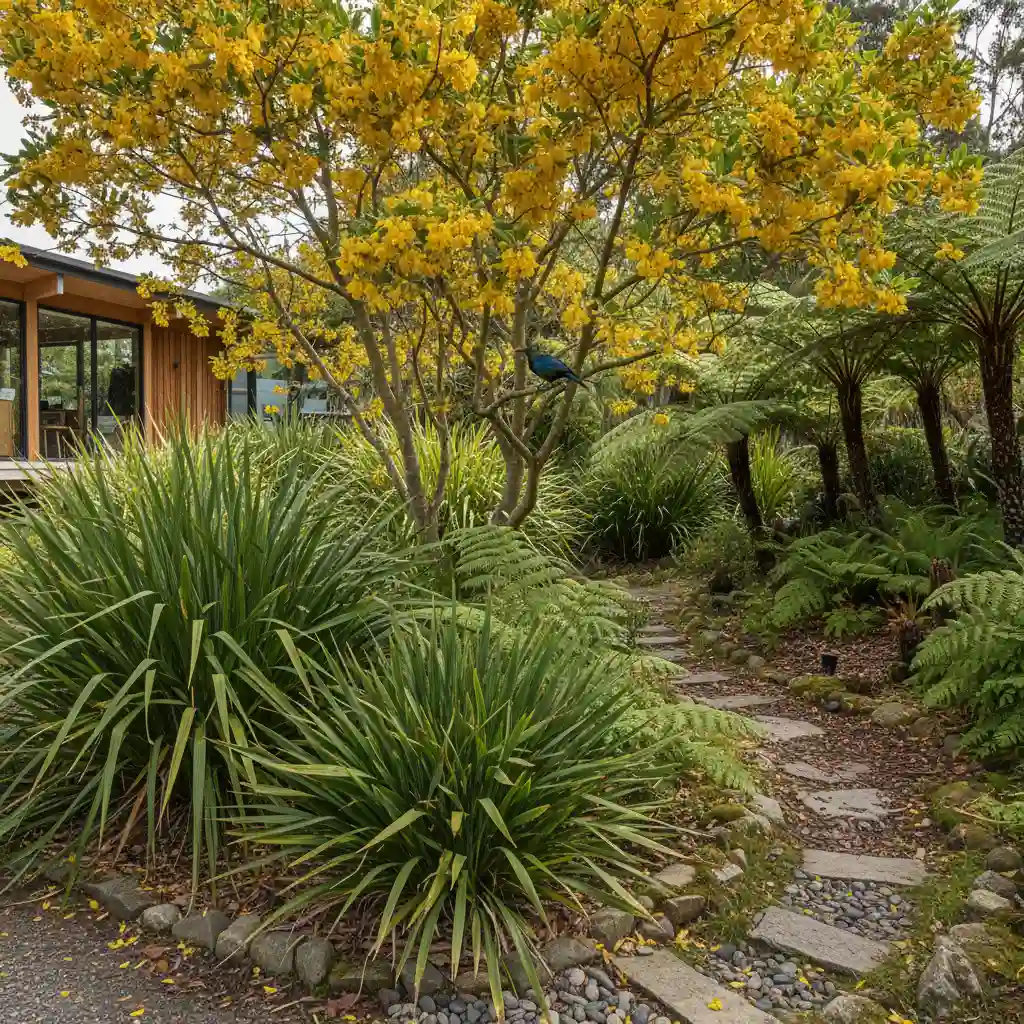
Integrating New Zealand native plants into your garden is a cornerstone of sustainable design. Not only are they adapted to our unique climate and soil conditions, but they also provide vital habitat and food sources for native birds, insects, and lizards, enhancing your garden’s biodiversity and ecological resilience. This practice aligns perfectly with the ‘observe and interact’ principle of permaculture NZ, fostering a stronger connection to our unique natural environment.
Benefits of Planting Natives:
- Low Maintenance: Once established, natives often require less water, fertiliser, and pest control as they are accustomed to local conditions.
- Pest Resistance: Generally more resistant to local pests and diseases, reducing the need for chemical interventions.
- Attracts Pollinators: Provides essential nectar and pollen for native bees, butterflies, and beneficial insects, as well as food and shelter for native birds (like Tūī, Kererū, and Bellbirds).
- Erosion Control: Many native plants, especially grasses and groundcovers, are excellent for stabilising soil and preventing erosion.
- Cultural Significance: Connects your garden to the rich cultural heritage and landscapes of Aotearoa, reflecting Māori principles of kaitiakitanga (guardianship).
Growing in the City: Urban Farming Initiatives in NZ
Even without a sprawling backyard, urban dwellers in New Zealand can embrace sustainable food production. Urban farming transforms concrete jungles into green oases, fostering community, reducing food miles, and providing fresh, healthy produce. From balcony pots to community gardens, the possibilities for permaculture NZ in urban settings are expanding rapidly.
Action Checklist: Starting Your Urban Farm
- Find Your Space: Identify suitable growing areas – a sunny balcony, rooftop, shared courtyard, windowsill, or even a small patch in a community garden.
- Container Gardening: Utilise pots, raised beds, vertical planters, or cleverly repurposed items like old tyres or pallets. Ensure all containers have good drainage.
- Choose Compact Crops: Prioritise plants that thrive in smaller spaces. Salad greens, herbs, chillies, dwarf tomato varieties, strawberries, radishes, and spring onions are excellent choices.
- Compost Small Scale: For urban living, a worm farm (vermicomposting) is an incredibly efficient and odour-free way to process kitchen scraps directly into nutrient-rich vermicast.
- Join a Community Garden: Connect with local initiatives for shared plots, communal resources, and invaluable knowledge exchange with experienced gardeners. Search online for “community gardens NZ” in your area.
- Consider Advanced Methods: For those with more ambition, hydroponics (growing plants in water) or aquaponics (combining aquaculture and hydroponics) can offer high yields in compact footprints.
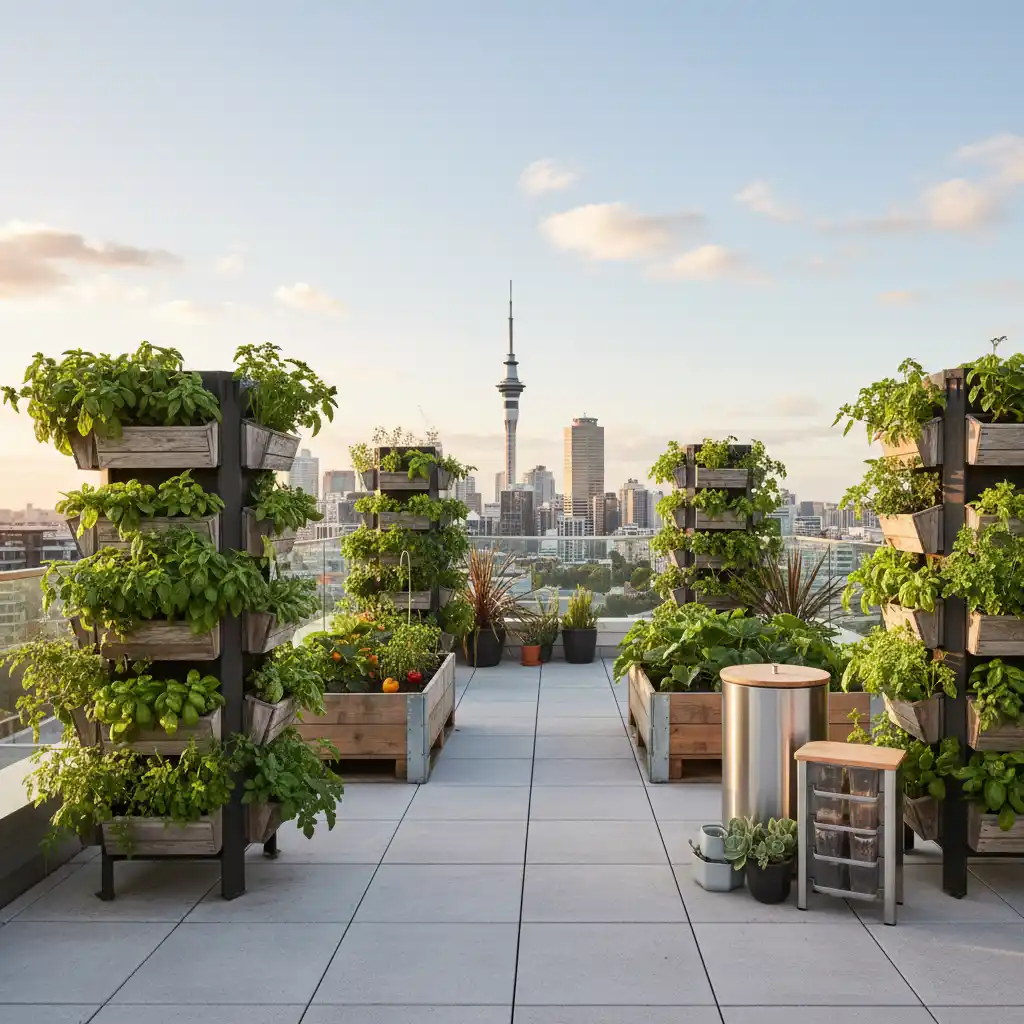
Embracing sustainable gardening and permaculture principles in NZ is more than just a trend; it’s a pathway to greater self-sufficiency, ecological responsibility, and community connection. Whether you have a sprawling section or a small balcony, every effort contributes to a greener, healthier Aotearoa for future generations. Start small, observe, and enjoy the abundance your sustainable garden brings!
Frequently Asked Questions about Sustainable Gardening in NZ
What exactly is permaculture and why is it relevant for NZ?
Permaculture is an ecological design system that aims to create sustainable human settlements and agricultural systems by mimicking patterns found in nature. For NZ, it’s highly relevant because it promotes self-sufficiency, reduces environmental impact, and encourages the use of native species and local resources, aligning perfectly with Māori principles of kaitiakitanga (guardianship) or guardianship of the land and resources.
How can I start composting effectively in New Zealand?
Starting composting in NZ is straightforward! Begin by choosing a suitable bin or pile in a shady spot. Mix ‘greens’ (food scraps, fresh grass) with ‘browns’ (dry leaves, shredded paper) in roughly equal amounts. Keep it moist like a wrung-out sponge and turn it regularly. Worm farms (vermicomposting) are also excellent for smaller spaces and quickly process kitchen waste, producing nutrient-rich castings.
What are some easy-to-grow native plants for an NZ garden?
Many native plants are robust and beautiful! Consider Harakeke (flax) for structure and birdlife, Kowhai for its stunning yellow flowers and nectar, Coprosma varieties for groundcover and berries, and various ferns for shady spots. Rengarenga (NZ Lily) is also a beautiful and hardy choice. Always check what thrives best in your specific region and soil type, as conditions vary across Aotearoa.
Can I practice permaculture on a small urban balcony in NZ?
Absolutely! Permaculture can be scaled to any size. On a balcony, focus on vertical gardening, container growing, and companion planting. A small worm farm can process kitchen scraps directly, and you can grow herbs, salad greens, strawberries, and even dwarf fruit trees. Maximise sun exposure and consider small-scale rainwater collection from surfaces like awnings for an even more self-sufficient setup.
References & Resources
- Permaculture New Zealand (PiNZ) Official Website
- Love Compost NZ – Composting Guides & Resources
- Department of Conservation (DOC) – Native Plants Information
- WasteMINZ – New Zealand Waste Data & Statistics
- Mollison, Bill. (1988). Permaculture: A Designer’s Manual. Tagari Publications.
- New Zealand Plant Conservation Network (NZPCN) – www.nzpcn.org.nz