Plastic-Free Living & Shops in NZ: Your Guide to a Greener Aotearoa
Are you looking to reduce your environmental footprint and embrace a more sustainable lifestyle? Transitioning to plastic-free living might seem daunting, but in beautiful Aotearoa, it’s becoming easier than ever. From bustling cities to serene rural towns, New Zealand is fostering a growing movement of conscious consumers and dedicated businesses making it simple to shop plastic-free.
This comprehensive guide will help you navigate the world of zero-waste, discover incredible plastic free shops NZ has to offer, and empower you with practical tips to minimise plastic in your daily life. Get ready to make a real difference, one conscious choice at a time.
1. The Compelling Benefits of Going Plastic-Free
The convenience of plastic has come at a significant cost to our planet and, increasingly, our health. Choosing to reduce your reliance on plastic offers a multitude of benefits, extending far beyond simply tidying up your recycling bin.
- Environmental Protection: Less plastic means less waste polluting our oceans, harming wildlife, and overflowing landfills. It also reduces demand for fossil fuels used in plastic production.
- Healthier Living: Many plastics contain harmful chemicals (like BPA and phthalates) that can leach into food and water, affecting hormones and overall health. Going plastic-free minimises this exposure.
- Cost Savings: While the initial investment in reusable items might seem higher, buying in bulk and making your own products often saves money in the long run.
- Supporting Local & Sustainable Businesses: Seeking out plastic free shops NZ-wide often means supporting small, ethical businesses committed to sustainable practices.
Stat Callout: The Plastic Problem
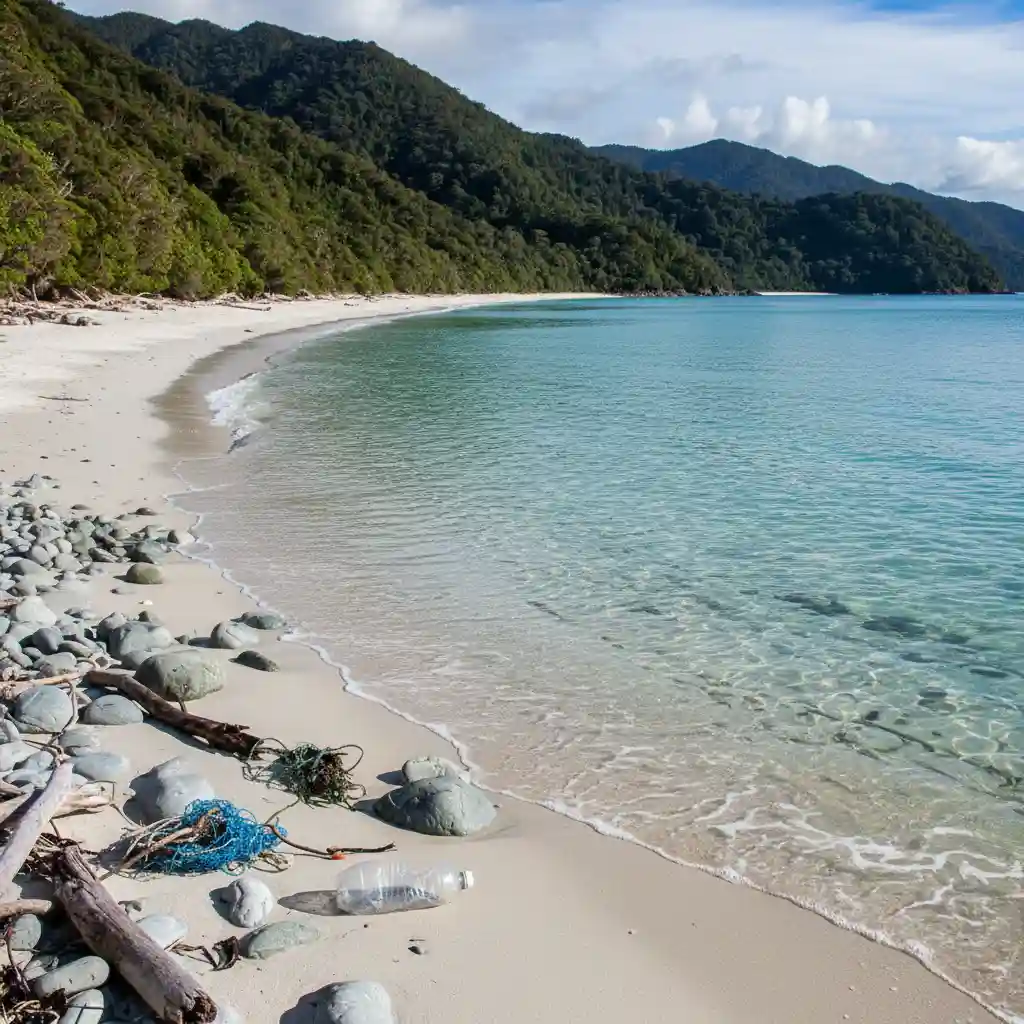
- Over 8 million tonnes of plastic enter our oceans each year, equivalent to a garbage truck’s worth every minute.
- Only approximately 9% of all plastic ever produced has been recycled globally.
- The average person in New Zealand sends around 750kg of waste to landfill annually, with a significant portion being plastic packaging.
Source: United Nations Environment Programme, Plastic Oceans International, Ministry for the Environment NZ.
2. Finding Plastic-Free Shops in NZ: Your Zero-Waste Shopping Guide
The quest for plastic free shops NZ has become much more manageable thanks to a growing network of dedicated businesses. Whether you’re in a major city or a smaller community, options are emerging to help you fill your pantry without the plastic.
Local Zero-Waste & Bulk Food Stores
These are your go-to hubs for staples. Bring your own containers, jars, and bags to refill on everything from grains, nuts, and spices to household cleaners, oils, and even personal care products. Many of these stores also stock an impressive range of sustainable alternatives to common plastic items.
“Supporting your local zero-waste store isn’t just about reducing plastic; it’s about investing in a community that values sustainability and ethical consumption.”
How to find them: A quick online search for “bulk food stores [your city/region]” or “zero waste NZ” will often reveal local gems. Many also have active social media presences detailing their product range.
Farmers’ Markets & Local Produce
A fantastic way to buy fresh, seasonal produce without plastic packaging. Most vendors are happy for you to use your own reusable bags for fruit, vegetables, bread, and even some dairy or meat products.
Online Plastic-Free Stores
For those harder-to-find items or if you don’t have a local zero-waste store, online retailers are stepping up. Many specialise in plastic-free alternatives for toiletries, cleaning supplies, and kitchenware, often shipping in compostable or recycled packaging.

3. DIY Alternatives for a Plastic-Free Home
Embracing DIY can significantly reduce your plastic consumption and save money. You’ll be surprised how many everyday products can be easily made at home with simple ingredients.
Simple DIY Swaps:
- All-Purpose Cleaner: Mix white vinegar, water, and essential oils in a reusable spray bottle.
- Laundry Powder: Grated bar soap, washing soda, and borax can make an effective and low-waste laundry solution.
- Deodorant: Baking soda, cornstarch, coconut oil, and essential oils create a natural paste deodorant.
- Produce Bags: Sew your own from old T-shirts or repurpose pillowcases for shopping.
- Body Scrub: Coffee grounds, sugar, or salt mixed with coconut oil make a fantastic exfoliator.
These small changes contribute significantly to reducing your reliance on commercially packaged products.
4. Reducing Single-Use Plastics: Everyday Wins
The easiest way to start going plastic-free is to tackle single-use items. These are the plastics designed to be used once and then discarded, making up a huge portion of our waste stream. Here’s an actionable checklist to kickstart your journey:
Action Checklist: Ditching Single-Use Plastics

5. Embracing the Plastic-Free Challenge in NZ
The journey to plastic-free living is not about perfection, but progress. You’ll encounter challenges, from finding certain items without plastic to remembering your reusable bags every time. Don’t be discouraged!
Start small: Pick one or two single-use items to eliminate first. Once those habits are established, tackle more. Connect with local communities and online groups focused on zero-waste in NZ for support and ideas. Share your journey and inspire others. Every effort, no matter how small, contributes to a healthier planet.

Frequently Asked Questions (FAQ)
Q: Are there many plastic free shops in NZ?
A: Yes, the number of plastic-free and zero-waste stores in New Zealand is steadily growing. You can find dedicated bulk food stores, refill stations, and online retailers specialising in sustainable, unpackaged products across major cities and even many smaller towns. Farmers’ markets are also excellent plastic-free options.
Q: How can I find local zero-waste stores near me?
A: The best way is to search online for “zero waste store [your city]” or “bulk food store [your region]”. Websites like The Rubbish Trip often list resources, and many stores have active social media pages. Asking in local community groups online can also yield great recommendations.
Q: Is going plastic-free more expensive in NZ?
A: It can vary. While some initial investments (like good quality reusable containers) might be higher, buying in bulk often proves more economical in the long run. Making your own products is also significantly cheaper. Ultimately, it often balances out, and the environmental benefits are priceless.
Q: What are the easiest single-use plastics to eliminate first?
A: Start with the ‘big four’: plastic bags, disposable coffee cups, plastic water bottles, and plastic straws. These are often easy to swap for reusable alternatives and make a significant dent in your waste production immediately.
References & Sources
- United Nations Environment Programme. (2018). Single-Use Plastics: A Roadmap for Sustainability.
- Plastic Oceans International. (n.d.). The Facts About Plastic Pollution. Retrieved from plasticoceans.org
- Ministry for the Environment NZ. (2022). Reducing waste: Waste Strategy. Retrieved from environment.govt.nz
- The Rubbish Trip. (n.d.). Zero Waste Guides. Retrieved from therubbishtrip.co.nz
- Various New Zealand zero-waste community groups and online directories.