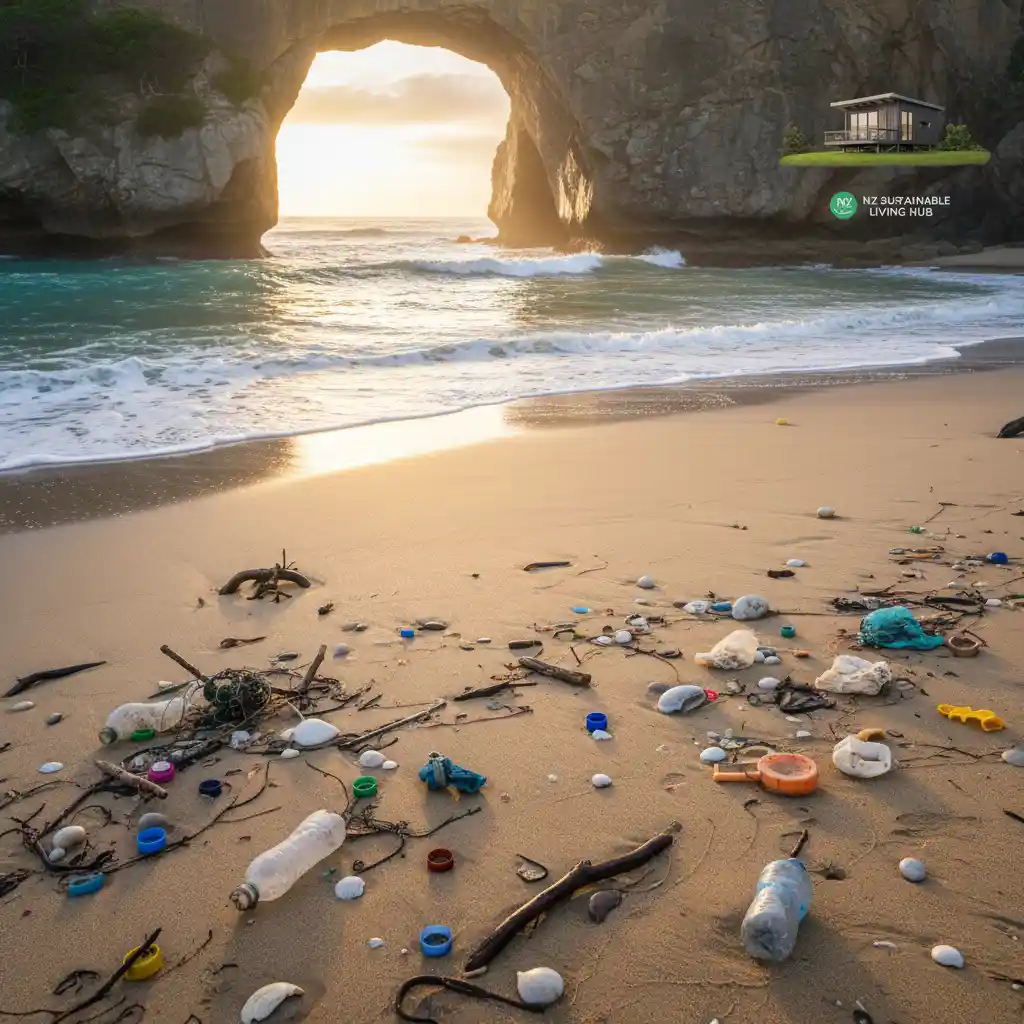
Safeguarding NZ’s Seas: Tackling Single-Use Plastics
Join us in protecting New Zealand’s pristine marine environments from the pervasive threat of single-use plastics.
New Zealand, a nation defined by its stunning coastlines and unique marine biodiversity, faces a critical challenge: the relentless tide of single-use plastics. These everyday items, designed for convenience, are increasingly becoming a major pollutant in our precious oceans, threatening the very ecosystems that make Aotearoa so special.
From the majestic whales to the tiniest plankton, the impact of plastic pollution is far-reaching and devastating. But there’s good news: the journey towards safeguarding NZ’s seas starts with understanding the problem and empowering ourselves with actionable solutions. This comprehensive guide will delve into the issue, explore its impacts, and outline how we can all contribute to tackling single-use plastics for a healthier future.
Table of Contents
- The Alarming Tide: Single-Use Plastics in New Zealand’s Waters
- The Devastating Impact on Our Unique Ecosystems
- Navigating the Solution: A Multifaceted Approach
- Empowering Change: What You Can Do (Action Checklist)
- Beyond the Horizon: Envisioning a Plastic-Free Future for NZ
- Frequently Asked Questions (FAQ)
- References & Sources
The Alarming Tide: Single-Use Plastics in New Zealand’s Waters
From plastic bags to food wrappers, coffee cups, and cutlery, single-use plastics have become ubiquitous in our daily lives. Their convenience is undeniable, but their environmental cost, especially to our marine environment, is becoming increasingly evident. In New Zealand, a nation with one of the longest coastlines globally, this problem is particularly acute.
“Every year, an estimated 8 million tonnes of plastic waste escapes into the oceans from coastal nations, contributing to a global problem that knows no boundaries.” – Ellen MacArthur Foundation
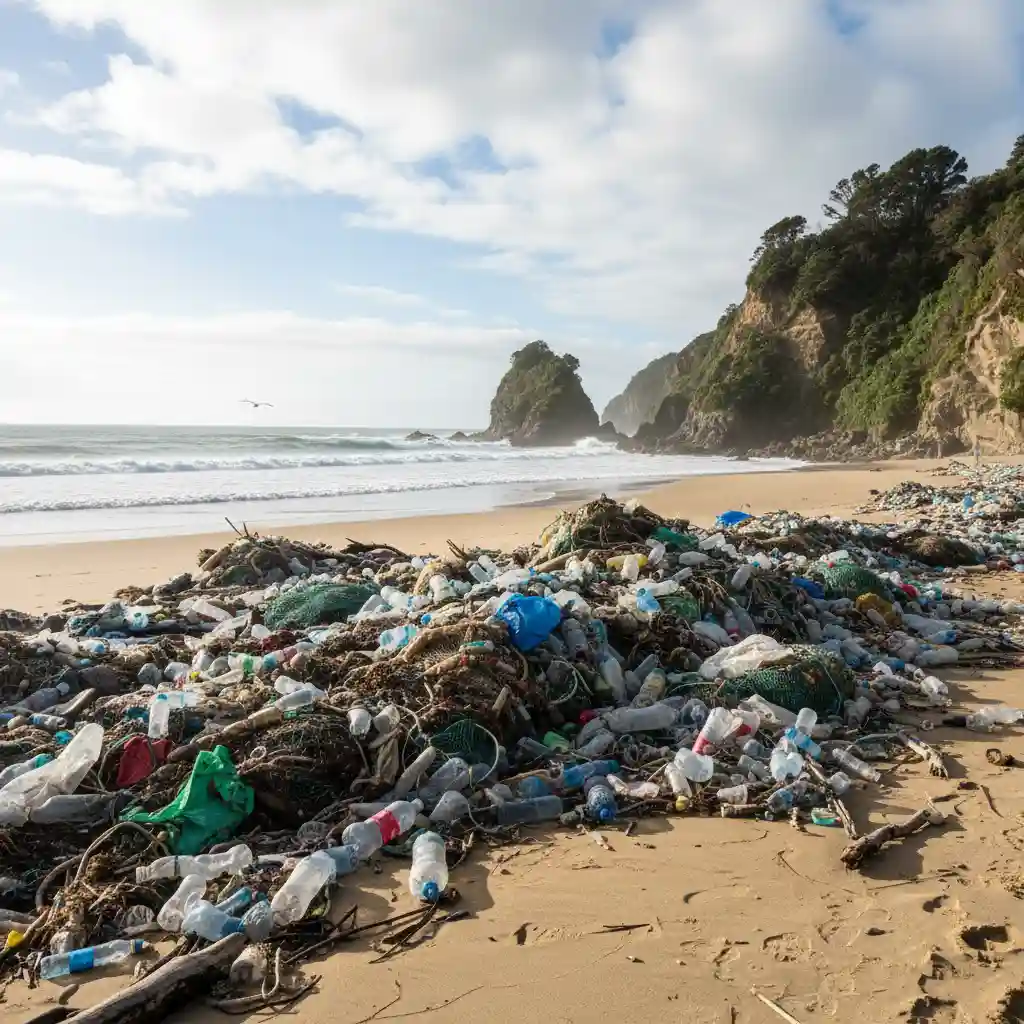
While global figures are staggering, New Zealand contributes its share. Local studies frequently find plastic debris washing up on our shores, impacting everything from remote conservation islands to popular city beaches. The long-term durability that makes plastic useful also makes it a persistent pollutant, breaking down into smaller pieces but never truly disappearing.
STAT CALLOUT:
Over 90% of all seabirds are estimated to have plastic pieces in their stomachs.
A stark reminder of the widespread impact of marine plastic pollution on our wildlife.
The Devastating Impact on Our Unique Ecosystems
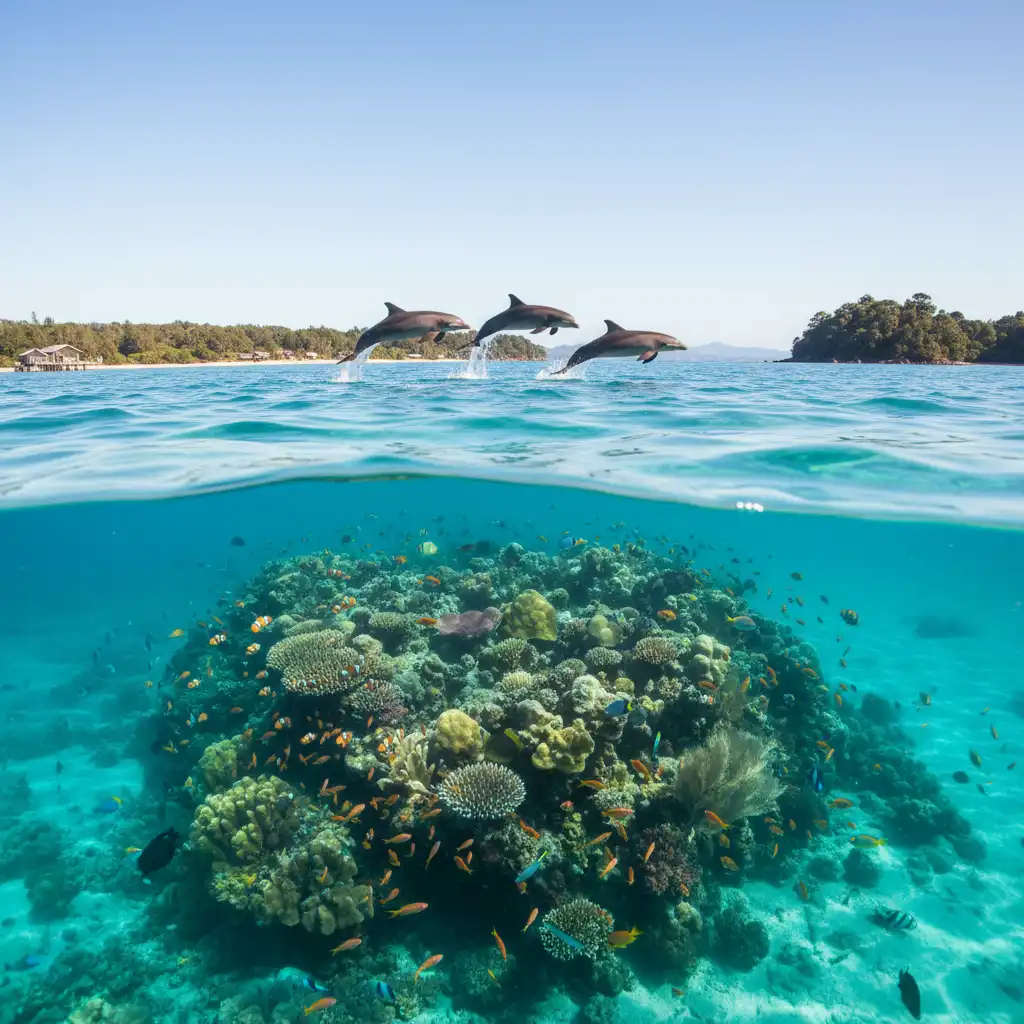
The unique biodiversity of New Zealand’s marine environments makes it particularly vulnerable to plastic pollution. Our waters are home to species found nowhere else on Earth, from the Maui’s dolphin to the ancient tuatara and a vast array of seabirds. Single-use plastics pose direct and indirect threats to these irreplaceable treasures.
Threat to Marine Life and Biodiversity
Marine animals often mistake plastic debris for food, leading to internal injuries, starvation, and blockages. Entanglement in larger plastic items, like discarded fishing gear or plastic bags, can cause drowning, suffocation, and severe injuries. This directly impacts population numbers and disrupts delicate food webs.
Microplastics: A Hidden Danger
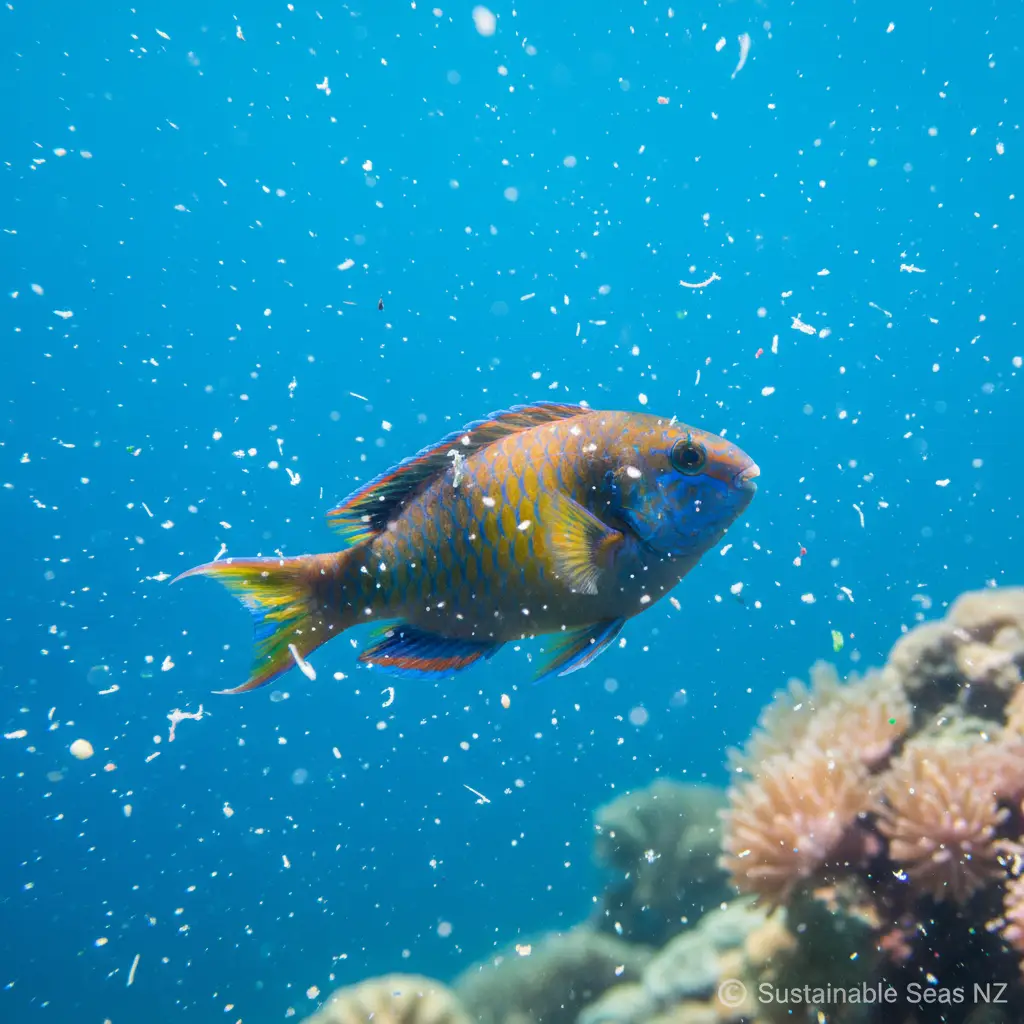
As plastics break down, they fragment into tiny pieces known as microplastics. These minuscule particles permeate the entire marine environment, from the surface to the deepest trenches. They are ingested by zooplankton and filter feeders, entering the food chain at its lowest levels and accumulating up to top predators, including the fish we consume. The long-term health implications for both marine life and humans are still being researched, but concerns are growing.
Empowering Change: What You Can Do (Action Checklist)
While governments and industries have their roles, individual actions collectively create immense impact. Here’s how you can actively contribute to safeguarding NZ’s seas from single-use plastics.
-
✓
Reduce Your Reliance: Choose Reusables
Carry a reusable water bottle, coffee cup, shopping bags, and cutlery. These small shifts significantly reduce the demand for disposable plastic items.
-
✓
Rethink Your Shopping Habits
Opt for products with minimal or no plastic packaging. Choose unpackaged fruits and vegetables, buy in bulk, and support businesses committed to plastic-free alternatives.
-
✓
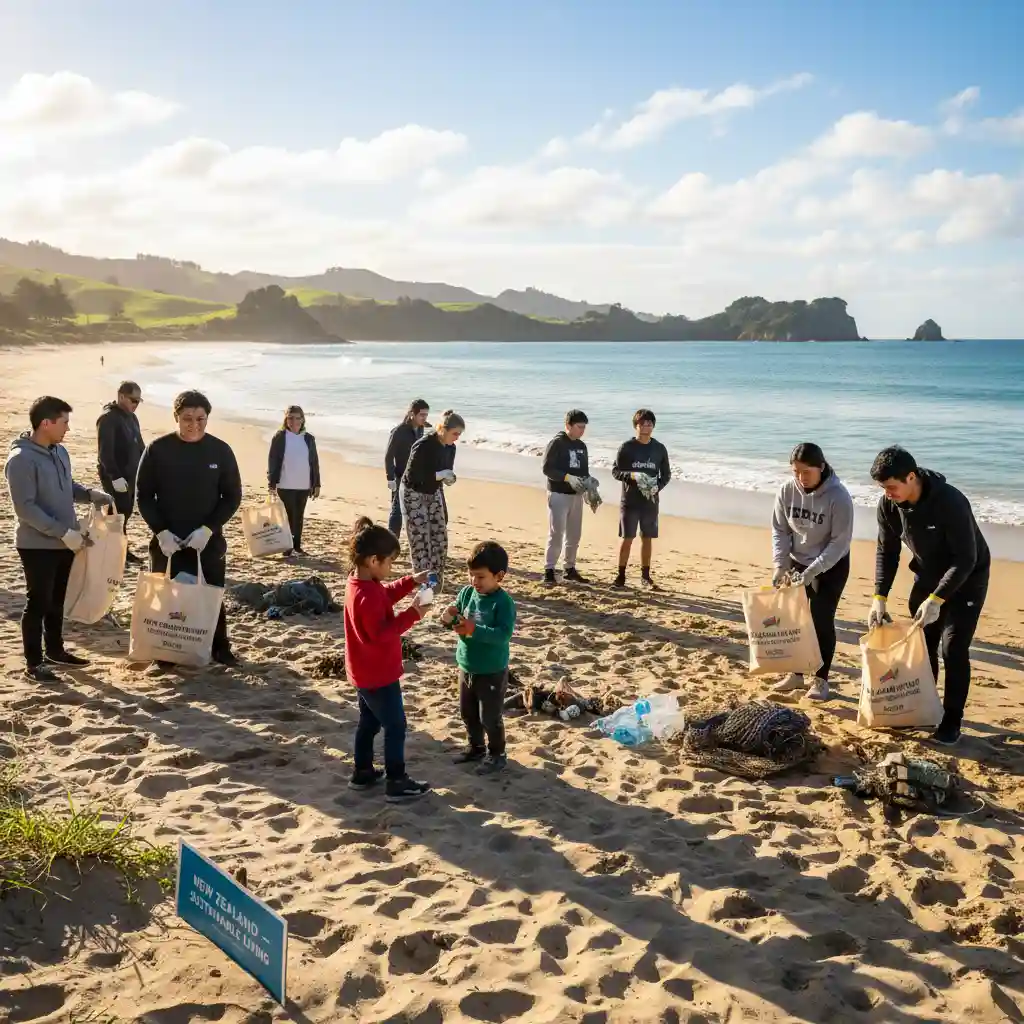
Participate in Clean-ups
Join local beach clean-ups or organize your own. Every piece of plastic removed from our environment is a victory for our seas. Check out initiatives like Sustainable Coastlines.
-
✓
Advocate for Policy Change
Support organizations working on plastic reduction policies and make your voice heard with local and national representatives. Collective advocacy drives systemic change.
Beyond the Horizon: Envisioning a Plastic-Free Future for NZ
The vision of a New Zealand with pristine, plastic-free seas is ambitious but achievable. It requires sustained effort, education, innovation, and a collective shift in mindset. By embracing sustainable lifestyle choices and supporting responsible policies, we can ensure that the beauty and biodiversity of Aotearoa’s marine environments are preserved for generations to come.
“The greatest threat to our planet is the belief that someone else will save it.” – Robert Swan
Let’s work together to be those who save it, actively safeguarding NZ’s seas and inspiring a global movement against single-use plastic pollution.
Frequently Asked Questions (FAQ)
What is the biggest source of single-use plastic pollution in New Zealand?
While many items contribute, food and beverage packaging, plastic bags (prior to the ban), and discarded fishing gear are significant sources. Everyday consumer items like takeaway containers, plastic bottles, and cutlery are also major contributors found in our marine environments.
Are biodegradable plastics a good solution for tackling single-use plastics?
It’s complicated. While some biodegradable plastics break down faster, many require specific industrial composting conditions not widely available, or still leave behind microplastic residues. The best solution remains reducing consumption and choosing reusable options first.
How can I find out about local initiatives to reduce plastic waste in NZ?
Many local councils, environmental groups (like Sustainable Coastlines, Sea Cleaners), and community organizations run programs and events. Check their websites, local community boards, or social media groups for beach clean-ups, workshops, and advocacy efforts in your area.
What is New Zealand’s government doing about single-use plastics?
The NZ government has banned single-use plastic shopping bags and is progressively phasing out other problematic single-use plastics and hard-to-recycle PVC and polystyrene packaging. They also support initiatives to improve recycling infrastructure and promote a circular economy.
References & Sources
- Ministry for the Environment (MfE) – Phasing out hard-to-recycle plastics: environment.govt.nz
- Sustainable Coastlines New Zealand: sustainablecoastlines.org
- Ellen MacArthur Foundation – The New Plastics Economy: ellenmacarthurfoundation.org
- United Nations Environment Programme (UNEP) – Marine Plastic Litter and Microplastics: unep.org
- NIWA (National Institute of Water and Atmospheric Research) – Research on microplastics in NZ waters: niwa.co.nz