Boosting Local Economies: The Economic Benefits of Cycling
Discover how embracing the bicycle does more than just get you around – it fuels community growth and financial prosperity across New Zealand.
In an era focused on sustainability and well-being, cycling often takes centre stage for its environmental and health advantages. However, the pedal power movement offers far more than just green commutes and fitter citizens. Beneath the surface, cycling is a robust engine for economic development, quietly yet significantly enriching local economies. From direct retail spending to reduced healthcare costs and enhanced tourism, the economic benefits of cycling are far-reaching and transformative.
For New Zealand, a nation increasingly committed to sustainable living, understanding and harnessing these economic advantages is crucial. Let’s delve into how a simple bicycle can become a powerful tool for boosting local economies, creating vibrant communities, and fostering a more prosperous, sustainable future.
On This Page:
- Direct Spending and Retail Revitalisation
- Health Savings and Productivity Gains
- Tourism and Recreational Cycling
- Reduced Infrastructure and Transport Costs
- Enhanced Property Values and Community Amenity
- The Power of Pedals: Economic Impact Stats
- Conclusion: A Pedal-Powered Future
- Frequently Asked Questions (FAQ)
- References/Sources
Direct Spending and Retail Revitalisation
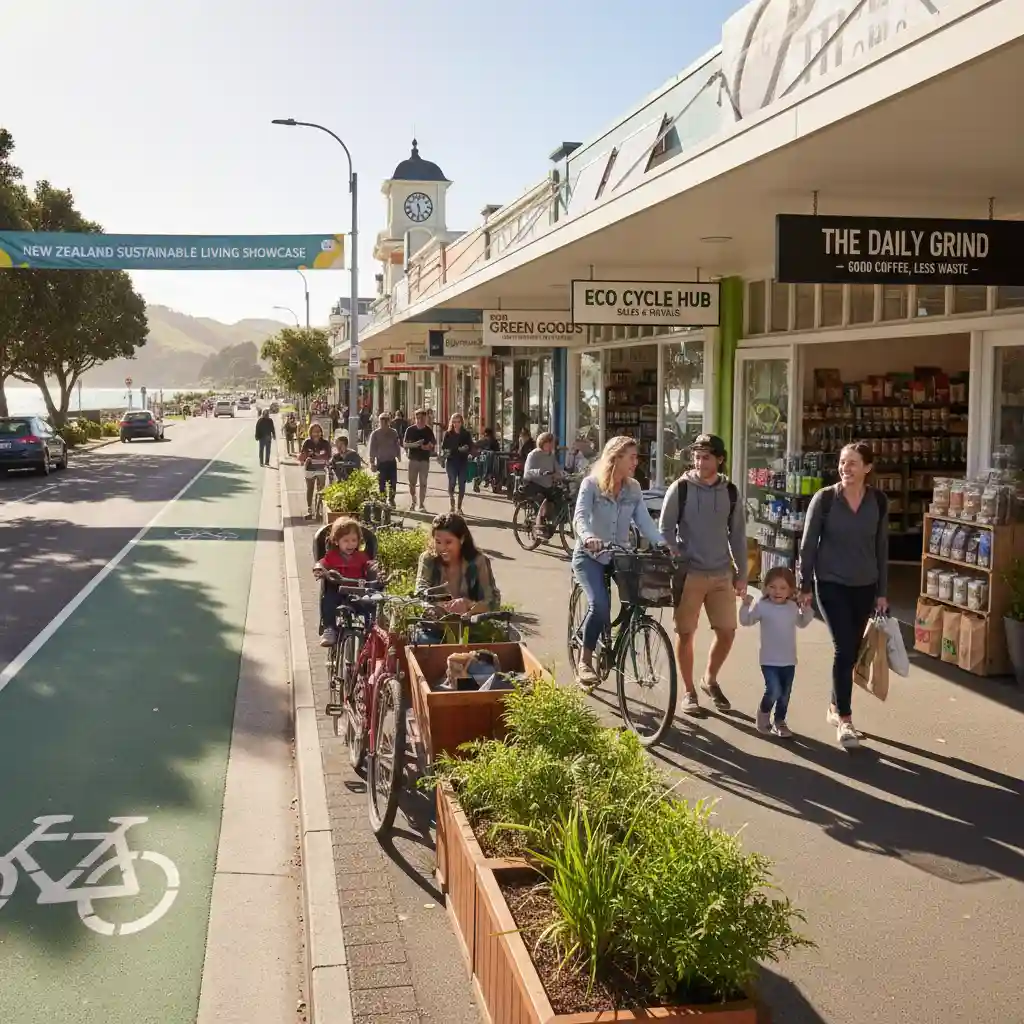
Cyclists are consumers, and their purchasing habits directly stimulate local economies. Unlike motorists who often bypass local shops for larger out-of-town complexes, cyclists tend to make more frequent, smaller purchases from neighbourhood businesses. They stop for coffee, grab a snack, or browse independent stores because parking isn’t an issue, and the pace of cycling encourages exploration.
This isn’t just anecdotal; studies consistently show that businesses on streets with good cycling infrastructure often see increased sales. The presence of cycleways creates a more pleasant, pedestrian-friendly environment, drawing more people to local high streets and boosting the vitality of retail sectors. From bike shops themselves to cafes, restaurants, and general retail, a thriving cycling culture translates directly into dollars spent locally.
Health Savings and Productivity Gains
The health benefits of regular cycling are well-documented, but their economic ripple effect is less frequently discussed. A healthier population means reduced healthcare costs for individuals, families, and the public health system. By choosing to cycle, people are less prone to chronic diseases associated with sedentary lifestyles, alleviating pressure on medical services.
“Investing in cycling infrastructure isn’t just about transport; it’s a preventative health strategy that yields substantial economic returns through reduced medical expenses and a more productive workforce.”
Beyond healthcare savings, active commuters are generally healthier, experience less stress, and take fewer sick days. This translates into increased productivity for businesses and a more robust workforce overall. Companies located near cycle routes can also attract talent keen on active transport options, enhancing their recruitment appeal.
Tourism and Recreational Cycling
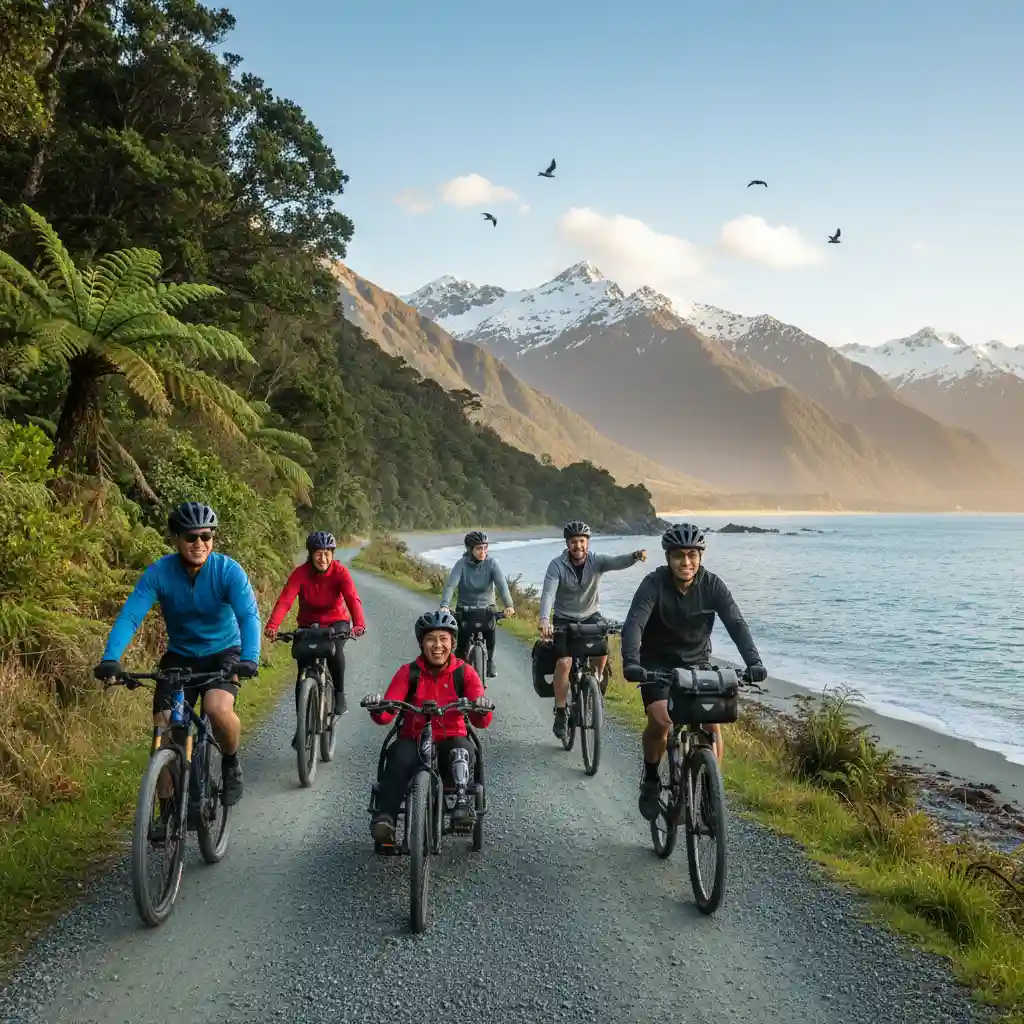
New Zealand’s stunning landscapes are a magnet for cycling tourists, and this sector represents a significant economic opportunity. Cycle trails, from the Great Rides to urban networks, attract both domestic and international visitors who spend money on accommodation, food, bike rentals, guiding services, and souvenirs. These tourists often seek authentic local experiences, further boosting regional businesses.
Consider the surge in popularity of electric bikes (e-bikes), opening up cycling tourism to a broader demographic. Regions that invest in high-quality, well-maintained cycling infrastructure are directly tapping into a lucrative market. This isn’t just about big tours; local recreational riders also contribute by using trails, visiting cafes, and participating in cycling events, all of which inject cash into the local economy.
Reduced Infrastructure and Transport Costs
Shifting commuters from cars to bikes has tangible economic benefits related to infrastructure and transport. Building and maintaining cycleways is significantly cheaper than road infrastructure for motor vehicles. Furthermore, more cyclists mean less road congestion, reducing the economic drain of wasted time, fuel consumption, and pollution.
Fewer cars on the road also means less wear and tear on existing infrastructure, extending its lifespan and delaying costly repairs. For individuals, choosing a bike over a car represents substantial personal savings on fuel, parking, insurance, and maintenance, freeing up disposable income that can then be spent within the local economy.

Enhanced Property Values and Community Amenity
Access to quality cycling infrastructure and a bike-friendly environment is increasingly becoming a desirable amenity for homebuyers and renters. Properties located near dedicated cycle paths, greenways, and urban bike networks often command higher values. This reflects a growing preference for active transport options and a lifestyle that values convenience, health, and environmental consciousness.
The investment in cycling infrastructure enhances the overall liveability of a community. It creates safer, quieter, and more pleasant urban spaces, attracting residents and businesses alike. This in turn strengthens the local tax base and encourages further investment, creating a positive feedback loop for economic growth and community development.

The Power of Pedals: Economic Impact Stats
The economic benefits of cycling are not just theoretical; they are backed by compelling data from around the world and within New Zealand.
Stat Callout: Retail Boost
A study in Copenhagen found that for every dollar invested in cycling infrastructure, Denmark sees a return of $1.22, primarily through health benefits and reduced congestion. Cyclists are also reported to spend 30% more per month at local shops than motorists.
Stat Callout: Health & Productivity
The UK’s Department for Transport estimated that cycling commuters take 1.4 fewer sick days per year than their non-cycling colleagues, equating to significant productivity gains for businesses nationwide.
Stat Callout: Tourism Revenue
New Zealand’s Great Rides network alone contributes an estimated NZD $40 million annually to regional economies, supporting thousands of jobs in tourism and hospitality sectors.
Conclusion: A Pedal-Powered Future
The narrative around cycling often focuses on environmental stewardship and personal health, which are undeniably critical. However, by overlooking the profound economic benefits of cycling, we miss a significant piece of the sustainability puzzle. From stimulating local retail and enhancing public health to boosting tourism and increasing property values, the bicycle is a quiet but powerful force for economic prosperity.
For New Zealand, continued investment in cycling infrastructure and promotion of a cycling culture is not just an expenditure; it’s a strategic investment in the nation’s economic future. By embracing two wheels, we’re not just moving towards a greener, healthier society, but a wealthier and more vibrant one too.
Frequently Asked Questions (FAQ)
How does cycling directly benefit local businesses?
Cyclists tend to make more frequent stops at local businesses (cafes, shops, restaurants) because of easy access and parking. Studies show that bike lanes and cycling infrastructure can increase retail sales by bringing more foot traffic and creating a more pleasant shopping environment.
Can cycling reduce healthcare costs for a community?
Yes. Regular physical activity like cycling improves public health, leading to lower rates of obesity, heart disease, and other chronic conditions. This reduces demand on healthcare services and associated costs for individuals and the public health system.
What is the impact of cycling tourism on regional economies?
Cycling tourists, both domestic and international, spend money on accommodation, food, bike rentals, guiding services, and souvenirs. Regions with well-developed cycle trails, like New Zealand’s Great Rides, see significant economic boosts, creating jobs and supporting local businesses in rural and urban areas.
Does investing in cycling infrastructure save money in the long run?
Absolutely. Cycle infrastructure is generally less expensive to build and maintain than road infrastructure for cars. Additionally, a shift to cycling reduces traffic congestion, pollution, and wear and tear on roads, leading to long-term savings in maintenance and public health costs.
How does cycling affect property values?
Properties located near high-quality cycling paths, greenways, and bike-friendly amenities often see an increase in value. Access to active transport options and a pleasant, liveable environment is a desirable feature for many homebuyers, contributing to stronger local real estate markets.
References/Sources
- Copenhagen Bicycle Account (Various Years). *Economic Impact of Cycling in Copenhagen*. City of Copenhagen.
- New Zealand Transport Agency (NZTA). *Economic Benefits of Cycling: Literature Review*. Retrieved from NZTA official publications.
- Department for Transport (UK). *Valuing the benefits of cycling*. Retrieved from GOV.UK.
- Sustrans (UK). *Cycle Tracks: The Economic Case*. Retrieved from Sustrans.org.uk.
- Transport for London (TfL). *Economic Benefits of Cycling*. Retrieved from TfL publications.
- Great Rides of New Zealand. *Annual Economic Impact Report*. Retrieved from NZ Cycle Trails official website.