Electric Vehicle (EV) Ownership in NZ: Unpacking the True Cost
Thinking about making the switch to an electric vehicle in Aotearoa? You’re not alone. As New Zealand embraces a greener future, EVs are becoming an increasingly popular choice for sustainability-minded drivers. But beyond the environmental benefits, what’s the real financial picture? When considering EV cost NZ, it’s essential to look beyond the sticker price and understand the full spectrum of ownership expenses and, more importantly, the significant savings.
From initial purchase and government incentives to daily running costs and home charging installation, we’ll unpack everything you need to know. Get ready to gain an authoritative, yet approachable, insight into what it truly means to own an EV in New Zealand.
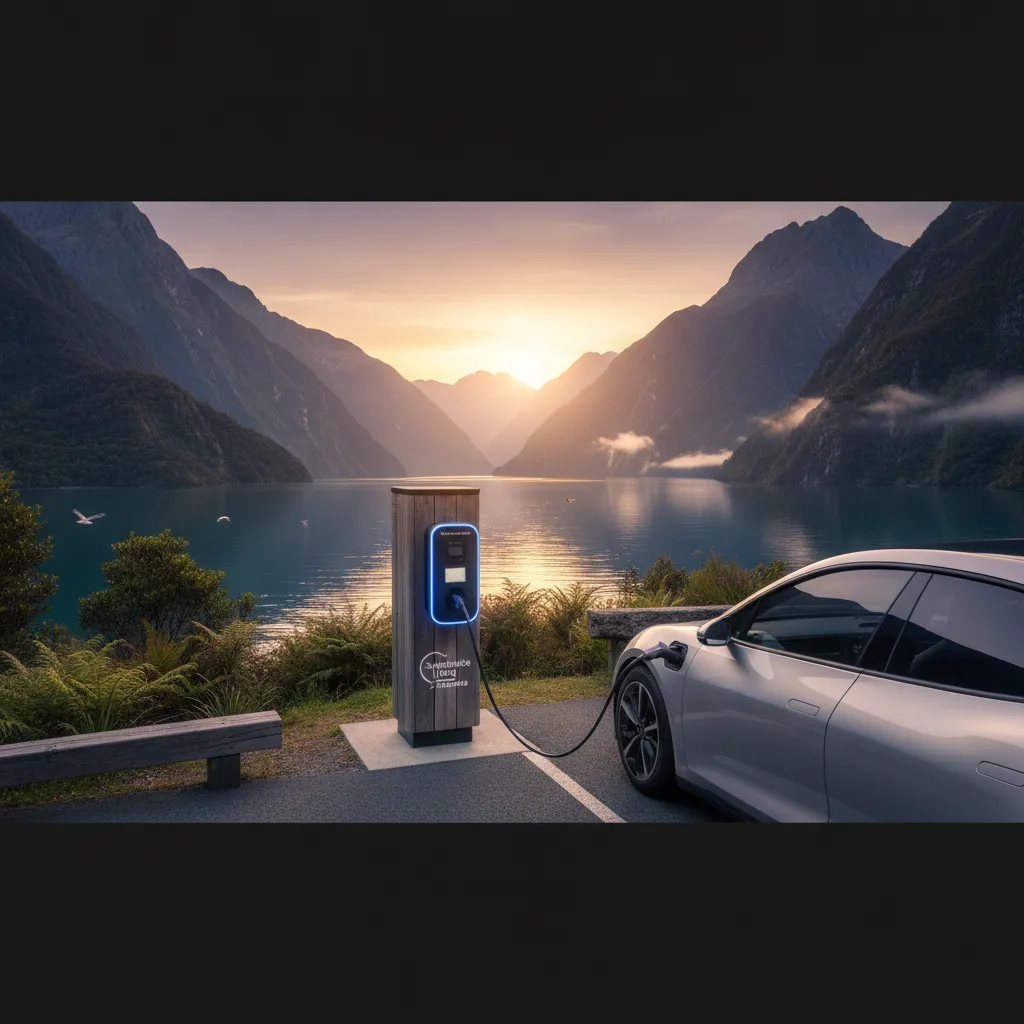
Table of Contents
- EV Cost Calculator NZ: Savings & Running Costs
- Best Electric Cars in NZ: Reviews & Comparisons
- EV Charging Stations NZ: Map & Types
- Government Rebates & Incentives for EVs
- Installing a Home EV Charger
- Frequently Asked Questions (FAQ)
- References & Sources
EV Cost Calculator NZ: Savings & Running Costs
The initial purchase price of an EV can sometimes be higher than a comparable Internal Combustion Engine (ICE) vehicle, leading many to question the overall EV cost NZ. However, this upfront investment is often offset by substantial savings over the vehicle’s lifetime.
Fuel Savings: Electricity vs. Petrol
This is where EVs truly shine. Charging an EV at home, especially during off-peak hours, is significantly cheaper than filling up with petrol. While petrol prices fluctuate, electricity remains a more stable and generally lower-cost energy source.
⚡ Stat Callout: Up to 80% Cheaper Fuel!
On average, ‘fuelling’ an EV with electricity can be up to 80% cheaper per kilometre than petrol for an equivalent vehicle in NZ, especially when utilising smart home charging tariffs.
Maintenance Savings
EVs have fewer moving parts than traditional cars, meaning less wear and tear and fewer components that require regular maintenance. Say goodbye to oil changes, spark plug replacements, and complex exhaust systems. This translates to lower servicing costs over the years.
Road User Charges (RUC) for EVs
As of July 1, 2024, Light Electric Vehicles (LEVs) in New Zealand are subject to Road User Charges (RUC). This aligns EVs with other vehicles in contributing to road maintenance. While this adds to the EV cost NZ, it’s still generally outweighed by fuel savings.
“While the RUC introduction adjusts the cost landscape, the overall economic argument for EVs, particularly regarding fuel and maintenance savings, remains compelling for New Zealand drivers.”
Best Electric Cars in NZ: Reviews & Comparisons
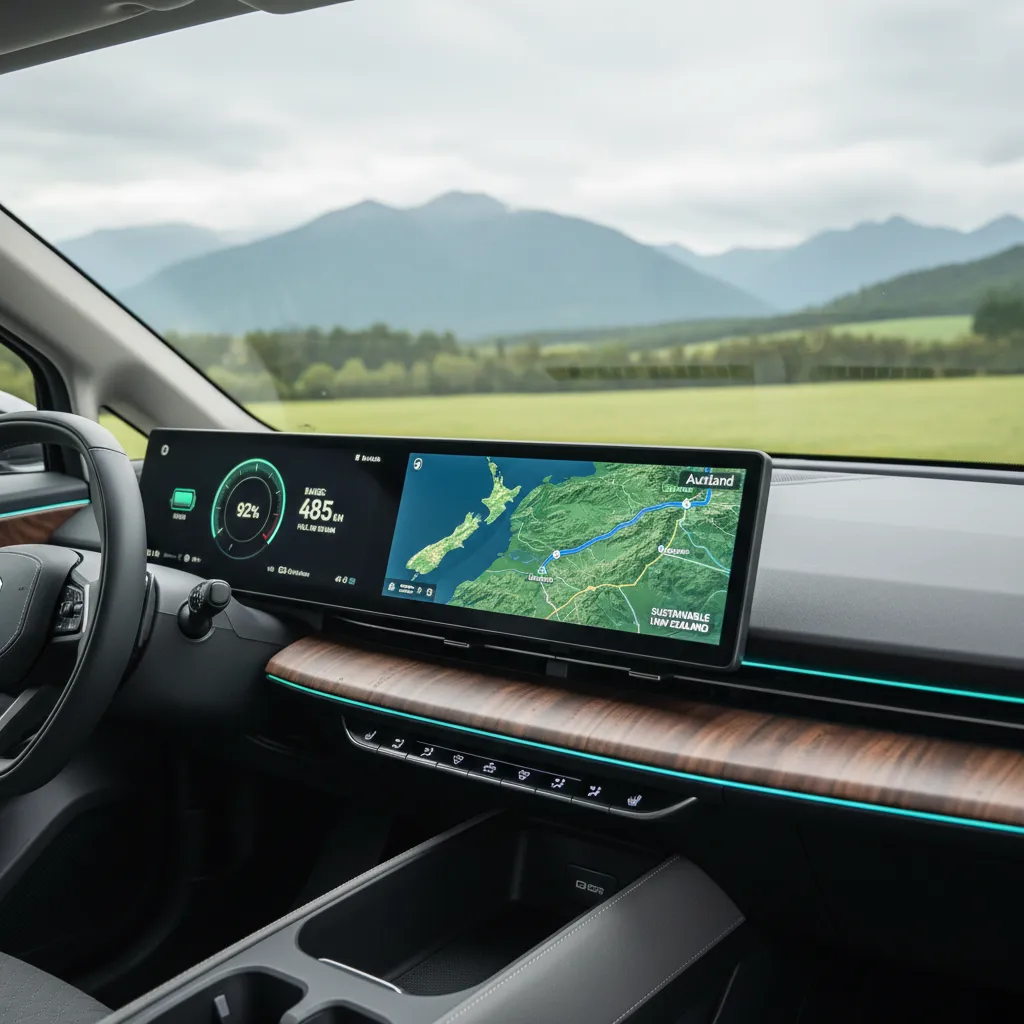
The New Zealand EV market is rapidly expanding, offering a diverse range of models to suit different budgets and lifestyles. When evaluating the EV cost NZ, consider both the upfront price and the features that matter most to you, such as range, charging speed, and interior space.
Key Considerations for Choosing an EV:
- Range: How far can it go on a single charge?
- Charging Speed: AC (slow) vs. DC (fast) charging capabilities.
- Battery Warranty: A crucial factor for long-term ownership peace of mind.
- Vehicle Size & Type: Hatchback, SUV, Sedan – what fits your needs?
Popular EVs in New Zealand: Comparison Table
| Model | Est. NZ Price Range (New) | Typical Range (WLTP) | DC Fast Charge (0-80%) |
|---|---|---|---|
| BYD Atto 3 | $55,000 – $65,000 | 320 – 420 km | ~45 min |
| MG ZS EV | $50,000 – $60,000 | 320 – 400 km | ~40 min |
| Hyundai Kona Electric | $65,000 – $80,000 | 305 – 484 km | ~47 min |
| Tesla Model 3 | $60,000 – $80,000+ | 491 – 629 km | ~25-30 min |
| Nissan Leaf (Used/New) | $25,000 – $60,000 | 270 km (e+ model) | ~40-60 min |
*Prices are indicative and subject to change based on trim level, region, and market conditions. Range figures are WLTP (Worldwide Harmonised Light Vehicle Test Procedure). DC Fast Charge times are approximate for 10-80% unless otherwise specified.
EV Charging Stations NZ: Map & Types
Understanding charging infrastructure is a key part of the EV cost NZ equation. While home charging covers most daily needs, knowing your public options is crucial for longer journeys.
Types of Charging:
- AC Charging (Level 2): Most common at homes and workplaces. Slower charging (typically 7-22 kW), suitable for overnight or workday top-ups. Uses a Type 2 connector.
- DC Fast Charging (Level 3): Found at public stations, highways, and commercial hubs. Rapid charging (typically 50 kW to 350+ kW) for quick top-ups on the go. Common connectors in NZ are CCS2 (Combined Charging System 2) and CHAdeMO (older Japanese standard).
Charging Networks in NZ:
New Zealand boasts a growing network of public charging stations. Major providers include:
- ChargeNet NZ: The largest DC fast-charging network across the country.
- Z Energy & BP: Offering DC fast chargers at select service stations.
- Meridian Energy: Also contributing to the public charging infrastructure.
- Local Councils & Businesses: Many councils, hotels, and shopping centres offer AC and sometimes DC charging.
You can use apps like PlugShare or the ChargeNet app to locate stations and check real-time availability and pricing.
Cost of Public Charging:
Public charging costs vary. DC fast charging is typically more expensive per kWh than home charging but offers convenience. Expect to pay anywhere from $0.40 to $0.80+ per kWh for DC fast charging, depending on the provider and speed. AC public charging might be free at some locations or priced similarly to home electricity rates.
Government Rebates & Incentives for EVs
Government initiatives have played a significant role in influencing the EV cost NZ for many buyers. While the Clean Car Discount programme concluded at the end of 2023, it’s important to understand the historical context and potential future support.
Past Incentives: The Clean Car Discount
The Clean Car Discount offered rebates for eligible new and used low-emissions vehicles, including EVs. This scheme significantly reduced the upfront purchase price for many Kiwis, making EVs more accessible. While it has ended, its impact on accelerating EV adoption was notable.
Current & Future Considerations:
- Road User Charges (RUC): As mentioned, EVs now pay RUC, which is an ongoing cost.
- Business Benefits: Businesses adopting EVs may benefit from tax considerations, such as reduced fringe benefit tax (FBT) exemptions for eligible vehicles.
- Local Council Initiatives: Keep an eye on local government programmes that might offer incentives for EV charging infrastructure or usage.
- Green Loans & Financing: Several banks and financial institutions offer ‘green loans’ with preferential rates for EVs, potentially lowering your financing EV cost NZ.
Always check with the NZ Transport Agency (NZTA) and financial institutions for the most up-to-date information on any available support.
Installing a Home EV Charger
For most EV owners, home charging is the most convenient and cost-effective way to power their vehicle. While you can typically charge from a standard wall socket, a dedicated home charging unit dramatically improves speed and safety. Here’s a step-by-step guide to installing one, influencing your overall EV cost NZ for convenience.
1. Assess Your Electrical Supply
Before purchasing a charger, a qualified electrician will need to assess your home’s existing electrical capacity. Most NZ homes have single-phase power, which is sufficient for a 7kW charger (common for home use). If you require faster charging (e.g., 22kW), you might need a three-phase upgrade, which adds to the installation cost.
2. Choose the Right Charger
Home chargers come in various brands and features. Consider:
- Power Output: 7kW is standard for overnight charging.
- Smart Features: Wi-Fi connectivity, app control, scheduling, and solar integration.
- Tethered vs. Untethered: Integrated cable or a socket for your vehicle’s cable.
- Safety Certifications: Ensure it meets New Zealand electrical safety standards.
3. Find a Certified Electrician
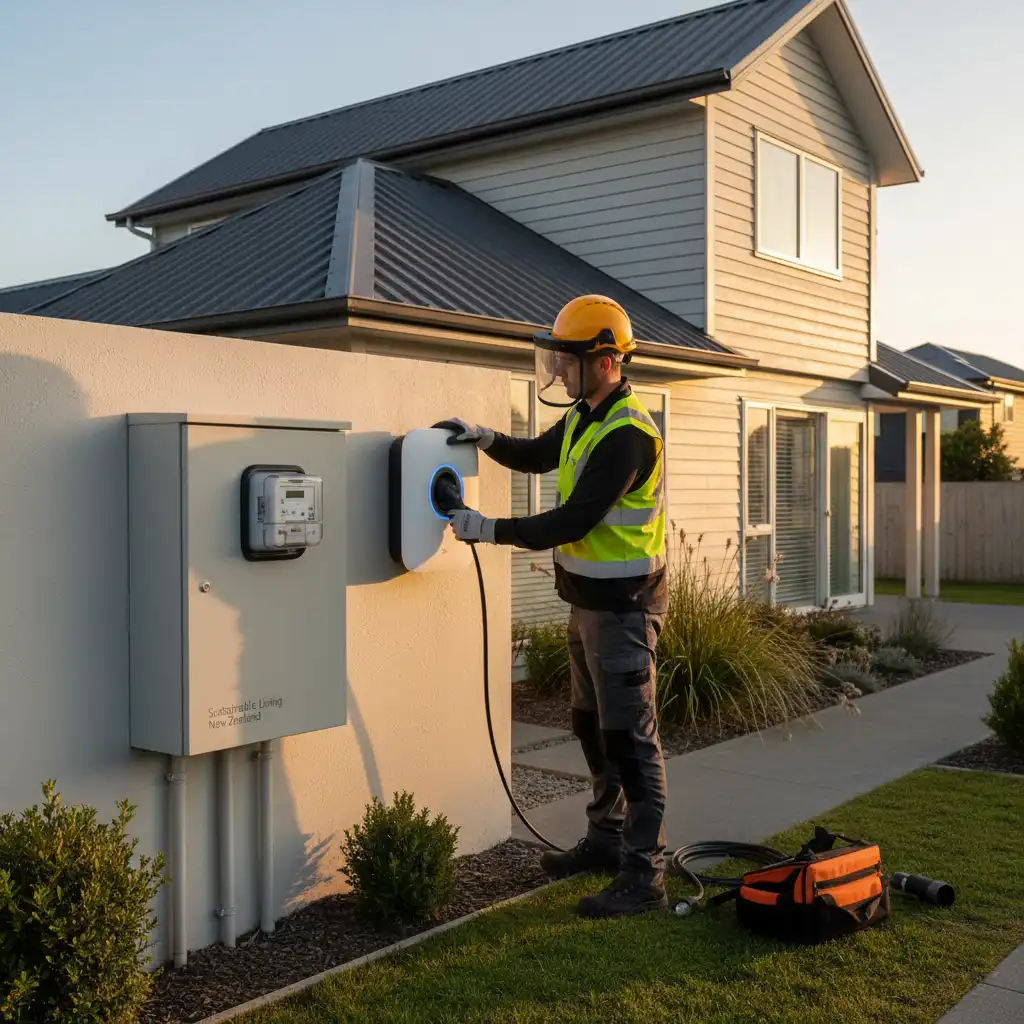
This step is crucial. Only use a registered and certified electrician experienced in EV charger installations. They will ensure the installation is safe, compliant with NZ electrical codes, and properly integrates with your home’s system.
4. The Installation Process
The electrician will install the charger near your parking spot, run cabling from your main switchboard, and install any necessary circuit breakers. They will test the unit and typically provide a Certificate of Compliance (CoC).
5. Consider Smart Charging Options
Many modern home chargers offer smart features that allow you to schedule charging during off-peak electricity hours, integrate with solar panels, or balance the load with other appliances. These features can further optimise your EV cost NZ by ensuring you charge when electricity is cheapest.
Conclusion
While the initial EV cost NZ might seem a significant investment, the long-term savings on fuel and maintenance, coupled with the environmental benefits, make electric vehicles an increasingly attractive and sustainable choice for New Zealanders. With a growing charging infrastructure and a diverse range of models, the path to EV ownership is clearer than ever. Embrace the future of driving and enjoy the quiet, powerful, and cost-effective journey an EV offers.
Frequently Asked Questions (FAQ)
What is the average EV cost in NZ for purchase?
The average upfront purchase EV cost NZ varies significantly. New entry-level models typically start from around $50,000 to $60,000, while premium models can exceed $80,000. Used EVs, especially older Nissan Leaf models, can be found for under $30,000.
How much does it cost to charge an EV at home in New Zealand?
Home charging costs depend on your electricity tariff. With an average off-peak electricity rate of around $0.15 – $0.25 per kWh, charging a typical 60 kWh EV battery could cost between $9 and $15 for a full charge. This is significantly cheaper than petrol.
Are EVs really cheaper to maintain than petrol cars in NZ?
Yes, generally. EVs have fewer moving parts, no oil changes, spark plugs, or complex exhaust systems. This results in significantly lower routine maintenance costs. Brake wear can also be reduced due to regenerative braking.
What are the current government incentives for buying an EV in NZ?
As of early 2024, the Clean Car Discount program for rebates has ended. However, EVs are now subject to Road User Charges (RUC). Always check the latest information from the NZTA and consult with financial advisors regarding any potential business tax benefits or ‘green loan’ options.
How much does it cost to install a home EV charger in New Zealand?
The cost of installing a home EV charger in NZ can range from approximately $1,000 to $3,000+, depending on the charger unit’s price, your home’s existing electrical infrastructure, and the complexity of the installation. It’s crucial to get quotes from certified electricians.