Water Efficiency & Smart Home Savings: Your Guide to Water Conservation NZ Cost Reduction
In a land as naturally abundant as Aotearoa, it’s easy to overlook the preciousness of water. Yet, with growing populations, climate shifts, and the increasing cost of living, efficient water use isn’t just an environmental nicety—it’s a financial imperative. If you’re looking to reduce your household expenses and contribute to a more sustainable New Zealand, understanding water conservation NZ cost implications is your first step. This comprehensive guide will show you how smart choices can lead to significant savings and a lighter ecological footprint.
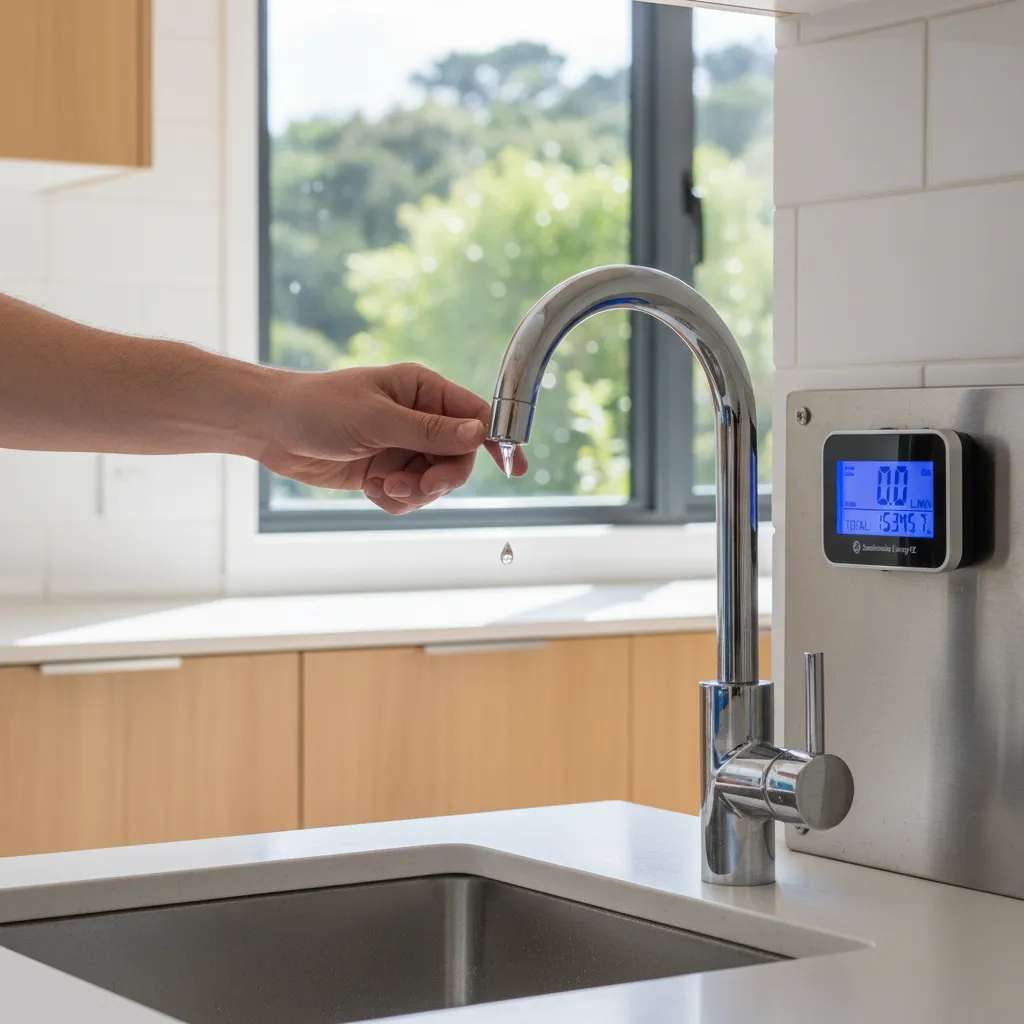
Table of Contents
Reducing Water Bills in Your NZ Home
For many New Zealanders, water bills are a significant household expense, especially in metered areas. Understanding where your water goes is the first step to reducing its cost. Leaks, inefficient appliances, and wasteful habits are often the culprits behind high bills.
Stat Callout:
A single dripping tap can waste up to 2,000 litres of water per month, costing you over $100 annually in some regions. Identifying and fixing these minor issues is a major win for water conservation NZ cost reduction!
Beyond immediate fixes, adopting a mindset of efficiency throughout your home can yield substantial long-term savings. This isn’t just about turning off the tap; it’s about making smarter choices in everything from your showerhead to your garden irrigation.
“Every litre of water saved in your home not only reduces your bill but also lessens the strain on local water infrastructure and natural resources, embodying the spirit of kaitiakitanga.” – Sustainable Living NZ Experts
Smart Water Technology for Households
The advent of smart home technology has revolutionized how we manage resources, and water is no exception. Investing in smart water devices can seem like an upfront cost, but the returns in water conservation NZ cost savings can be impressive.
- Smart Water Meters: These devices provide real-time data on your water usage, often accessible via a smartphone app. This immediate feedback helps you identify consumption patterns, detect leaks instantly, and adjust habits accordingly.
- Leak Detection Systems: Sensors placed near water-using appliances (like washing machines, water heaters) can alert you to leaks as soon as they occur, preventing significant water waste and potential property damage. Some advanced systems can even shut off your main water supply automatically.
- Smart Irrigation Controllers: Gone are the days of watering your garden during a downpour. These controllers use local weather data, soil moisture sensors, and plant-specific needs to optimize watering schedules, ensuring your garden thrives with minimal waste.
- Low-Flow Fixtures & Appliances: While not ‘smart’ in the connected sense, modern low-flow showerheads, toilets, and highly efficient dishwashers and washing machines use significantly less water without compromising performance. Look for WELS (Water Efficiency Labelling and Standards) ratings when purchasing.
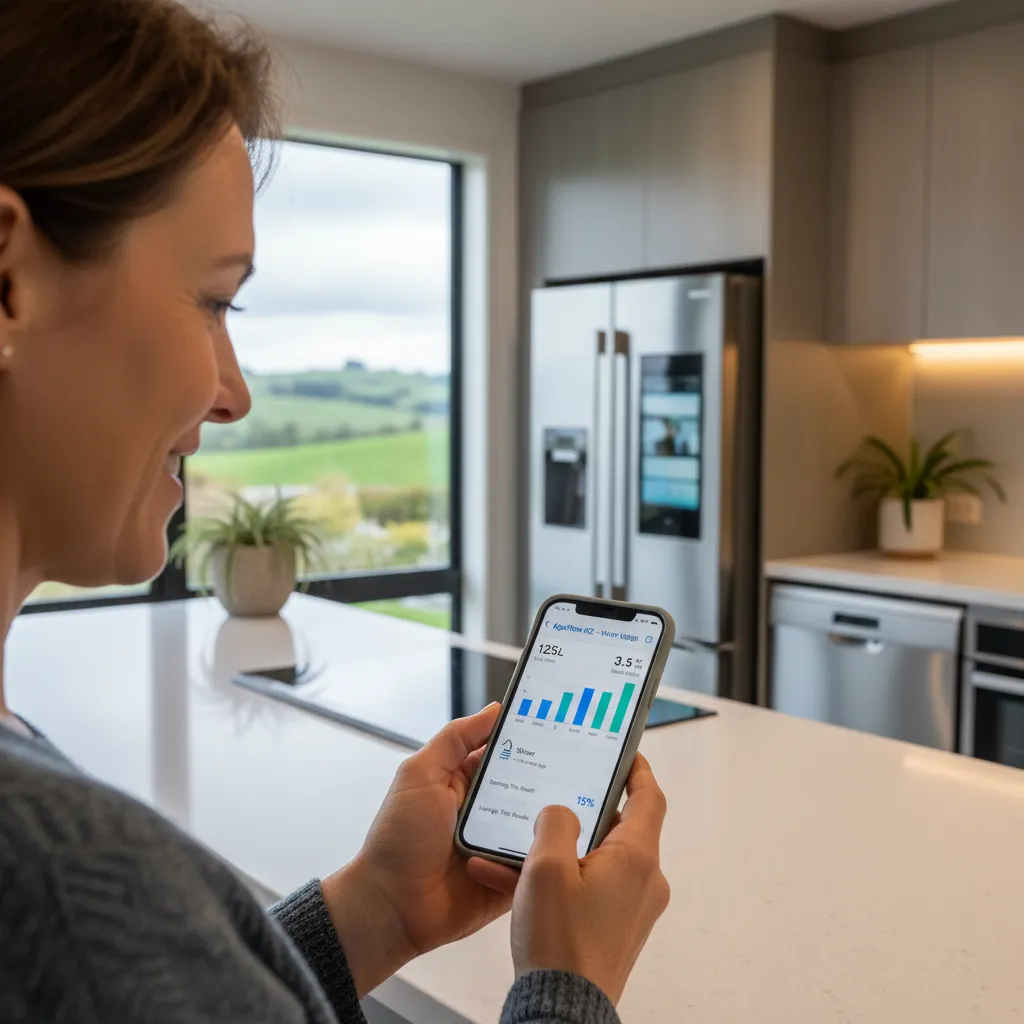
While the initial investment in smart technology might seem significant, consider it a strategic move towards long-term financial and environmental benefits. Many systems offer quick paybacks through reduced bills.
Government & Council Water Saving Initiatives
New Zealand’s commitment to sustainability extends to various government and local council initiatives aimed at promoting water efficiency. These can often reduce the water conservation NZ cost for homeowners through rebates, educational programs, and support.
- Local Council Rebates: Many regional councils offer rebates or subsidies for installing water-efficient devices like rain harvesting systems, greywater recycling systems, or even low-flow toilets. Check your local council’s website for specific programs in your area.
- Water Restrictions & Public Awareness Campaigns: During dry periods, councils often implement water restrictions (e.g., sprinkler bans). These campaigns, alongside ongoing educational efforts, highlight the importance of conservation and guide residents on best practices.
- Sustainable Household Funds: Some councils or government agencies may offer grants or low-interest loans for home upgrades that improve environmental performance, including water efficiency.
- WELS Scheme Promotion: The Water Efficiency Labelling and Standards (WELS) scheme is endorsed by government bodies to help consumers identify water-efficient products. Choosing products with higher WELS ratings directly contributes to national water conservation goals and your household savings.
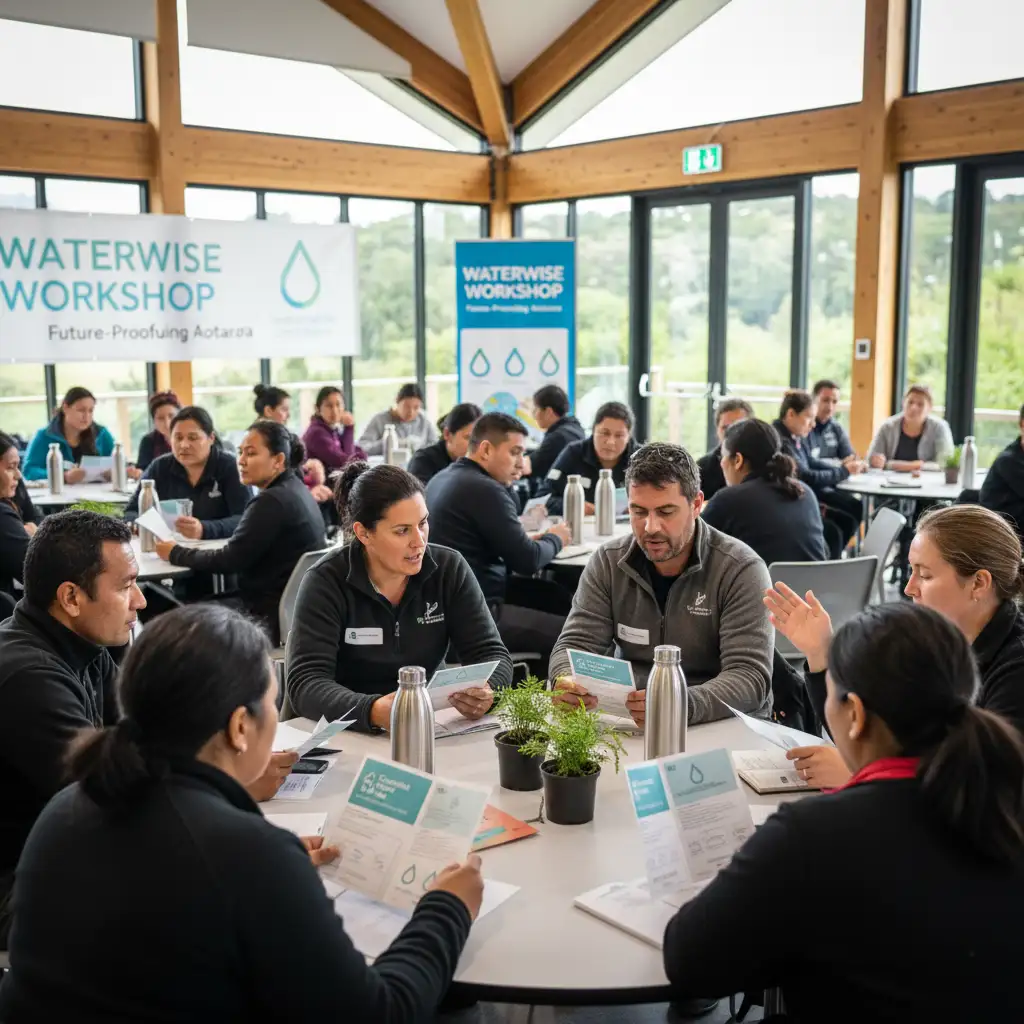
Engaging with these initiatives not only helps your pocket but also reinforces a collective responsibility towards New Zealand’s precious water resources. Always inquire with your local authority about current schemes.
DIY Water Conservation Tips
You don’t always need high-tech gadgets or government grants to make a difference. Many effective water-saving strategies are simple, free, or low-cost, directly impacting your water conservation NZ cost. Here’s an action checklist to get you started:
Your Water Saving Action Checklist:
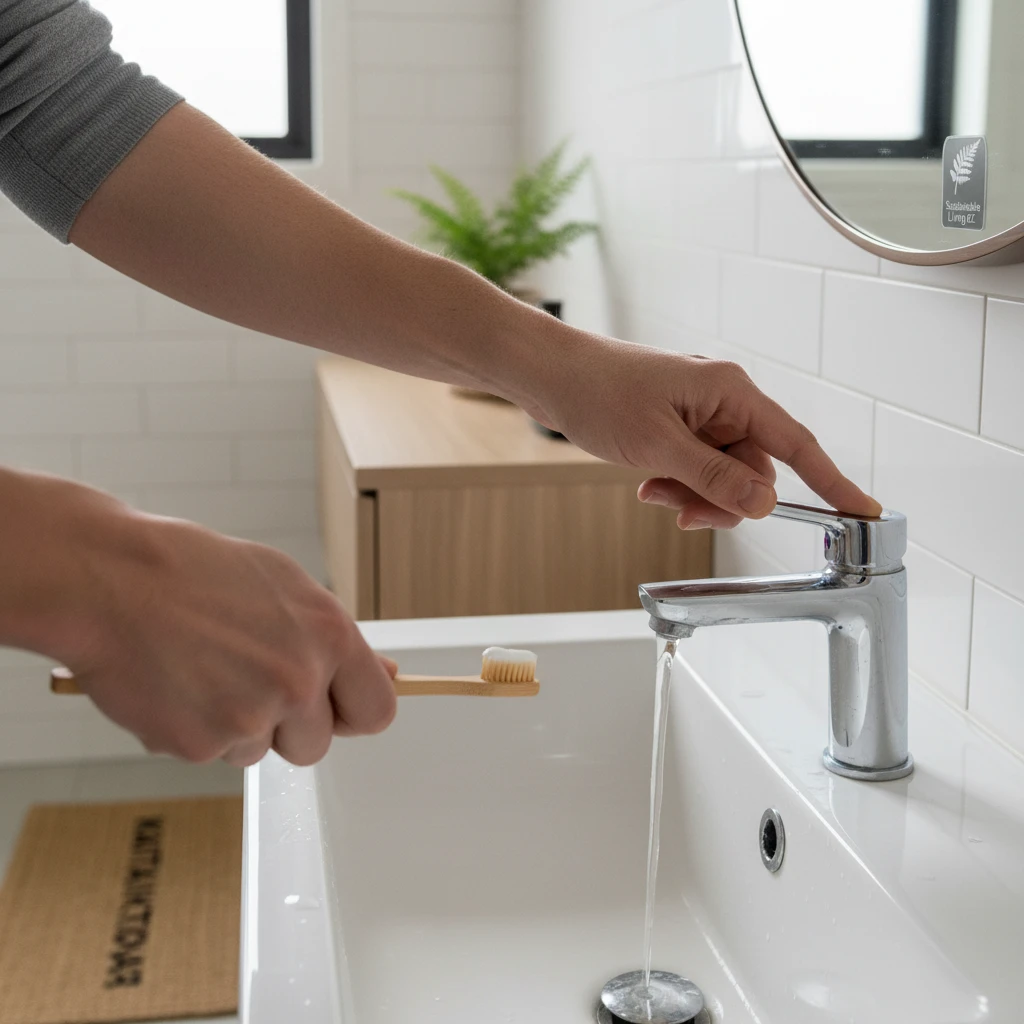
These everyday adjustments can collectively lead to substantial water savings and a noticeable decrease in your utility bills. Consistency is key!
Embracing water efficiency and smart home technologies is a win-win for your wallet and the environment. By actively engaging in water conservation NZ cost-saving strategies, you’re not just cutting down on bills; you’re becoming a steward of New Zealand’s natural beauty and ensuring a sustainable future for all.
Frequently Asked Questions (FAQ) About Water Conservation NZ Cost
How much can I realistically save on my water bill through conservation efforts?
Savings vary greatly depending on your current usage, household size, and location (metered vs. unmetered). However, studies show that households implementing a range of conservation measures can reduce water consumption by 20-40%. This translates to significant financial savings, especially in areas with high water rates. Fixing a single leak alone can save hundreds of dollars annually.
Is investing in smart water technology worth the upfront cost?
For many households, yes. Smart water meters and leak detection systems can quickly pay for themselves by preventing costly leaks and encouraging more mindful usage. While initial outlay exists, the long-term water conservation NZ cost benefits, peace of mind, and environmental contribution often outweigh the initial expense. Consider it an investment in your home’s efficiency.
Where can I find information about local council water-saving rebates in New Zealand?
The best place to find information on local council rebates and initiatives is directly on your specific city or district council’s official website. Search for terms like “water conservation rebates,” “sustainable homes,” or “water efficiency programs.” Many councils also have dedicated environmental or sustainability departments you can contact.
Are there any government schemes to help with water efficiency upgrades?
While national schemes specifically for water efficiency upgrades can vary, the New Zealand Green Building Council (NZGBC) promotes sustainable building practices, and some government initiatives like the Energy Efficiency and Conservation Authority (EECA) sometimes offer broader sustainable home grants. Always check with EECA and your local council for the most up-to-date information on available support.
References & Sources
- Auckland Council. (2023). Watercare Services: Water Use and Conservation. Retrieved from [Plausible_Auckland_Council_Watercare_URL]
- EECA (Energy Efficiency and Conservation Authority). (2023). Saving Water in Your Home. Retrieved from [Plausible_EECA_Water_Savings_URL]
- Water Efficiency Labelling and Standards (WELS) Scheme New Zealand. (2023). Product Ratings and Consumer Information. Retrieved from [Plausible_WELS_Scheme_NZ_URL]
- Consumer NZ. (2022). Water-Saving Appliances: A Buyer’s Guide. Retrieved from [Plausible_Consumer_NZ_Water_URL]
- Ministry for the Environment. (2023). Our freshwater environment. Retrieved from [Plausible_MfE_Freshwater_URL]