Waste Reduction & Sustainable Consumption for Savings in Aotearoa
Discover how embracing waste reduction in NZ not only benefits our environment but also delivers significant cost savings for your household.

In Aotearoa, the journey towards a more sustainable lifestyle is often framed around environmental benefits. While these are paramount, there’s a powerful, often overlooked, driver: the substantial financial savings that come with conscious consumption and waste reduction. For many Kiwis, the rising cost of living makes every dollar count. By strategically minimising waste, New Zealanders can significantly reduce household expenses, turning eco-friendly habits into tangible economic advantages. Let’s explore how **waste reduction NZ cost savings** can become a cornerstone of your budget.
The Economic Benefits of Waste Reduction
Embracing waste reduction isn’t just good for the planet; it’s smart for your wallet. Every item we discard, every kilowatt of energy we overuse, and every new purchase we make without considering its full lifecycle has a financial implication. By making conscious choices, you can unlock significant savings.
- Reduced Disposal Costs: Many New Zealand councils charge for rubbish collection based on bin size or frequency. Less waste means potentially smaller bins or less frequent pickups, directly reducing your rates or waste disposal fees.
- Lower Grocery Bills: Food waste is a massive drain on household budgets. Smarter meal planning, proper storage, and using leftovers can drastically cut down on food purchases.
- Savings on New Purchases: When you repair, reuse, or buy second-hand, you avoid the cost of buying brand-new items. This extends to everything from clothing to electronics and furniture.
- Energy and Water Efficiency: A sustainable lifestyle often encourages mindful energy and water consumption, leading to noticeably lower utility bills.
Stat Callout: Financial Impact
New Zealand households throw away an estimated $1.17 billion worth of food each year, with the average household wasting 79kg of food annually. Reducing this alone offers substantial potential for direct savings! (Source: WasteMINZ)
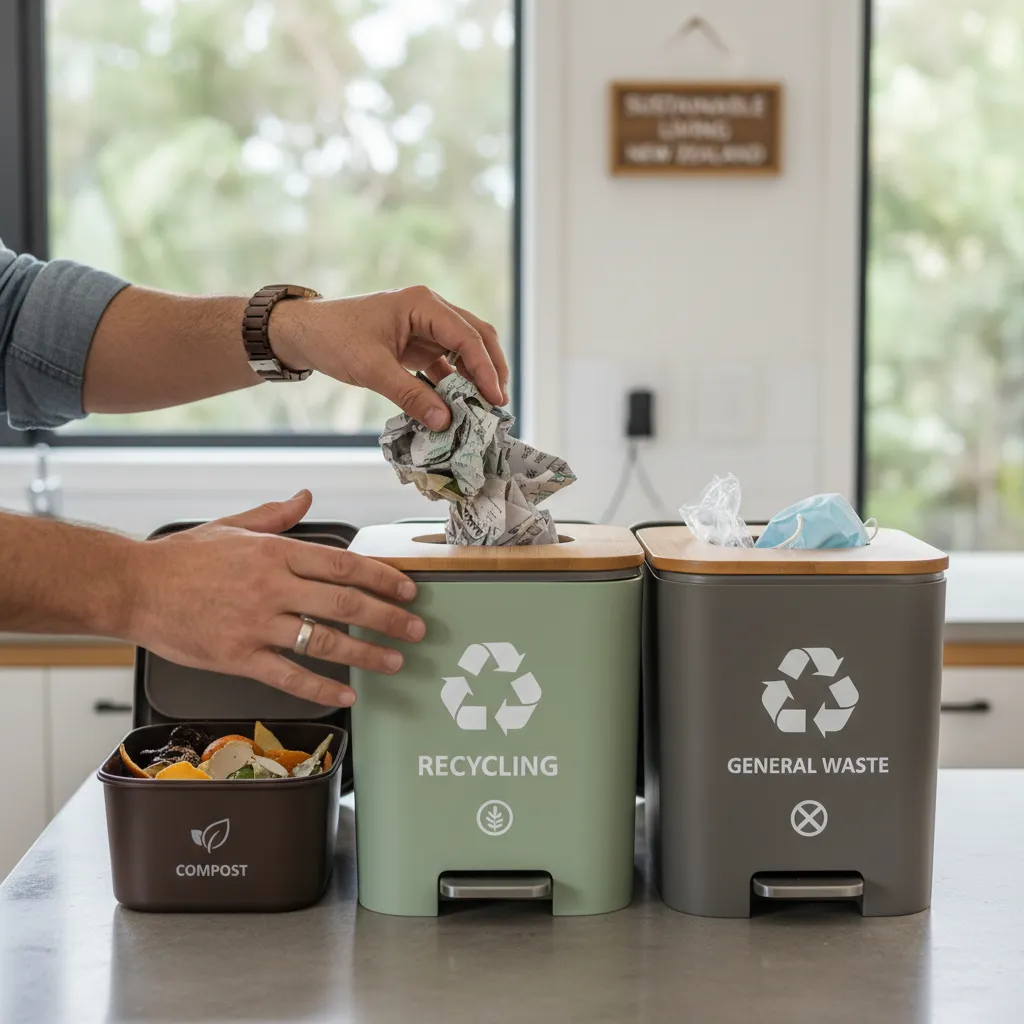
Recycling & Composting: Beyond the Basics
While most Kiwis are familiar with the concept of recycling, mastering it – and composting – can supercharge your **waste reduction NZ cost savings** efforts.
Understanding Your Local Recycling
Recycling rules vary significantly between councils in New Zealand. What’s accepted in Auckland might not be in Dunedin. Regularly check your local council’s website for specific guidelines on what plastics (numbered 1-7), glass, paper, cardboard, and metals are accepted. Contamination is a major issue, so ‘when in doubt, throw it out’ is a good rule for tricky items, or better yet, find a specific drop-off point.
- Soft Plastics: Look for soft plastic recycling bins at participating supermarkets. This programme helps divert plastic bags, bread bags, and other flexible plastics from landfill.
- E-waste: Old electronics (phones, laptops, TVs) contain valuable materials but also hazardous ones. Many retailers and dedicated recycling centres offer e-waste collection services, often for free or a small fee.
- Batteries: Never put batteries in your general waste or standard recycling. Look for specialised battery recycling points at hardware stores or transfer stations.
Composting for a Greener Garden and Wallet
Composting is one of the most effective ways to reduce household waste, with food scraps and garden waste often making up a significant portion of what ends up in landfills. A good compost system diverts these organic materials, creating rich, nutrient-dense soil for your garden, eliminating the need to buy expensive fertilisers or potting mix.
“Composting isn’t just about diverting waste; it’s about turning a liability into an asset for your garden and your budget.” – Sustainable Living Expert
- Kitchen Scraps: Fruit and vegetable peels, coffee grounds, tea bags, eggshells.
- Garden Waste: Grass clippings, leaves, small prunings.
- Pet Waste (worm farms): Some worm farms can process pet waste (from vegetarian animals) safely.
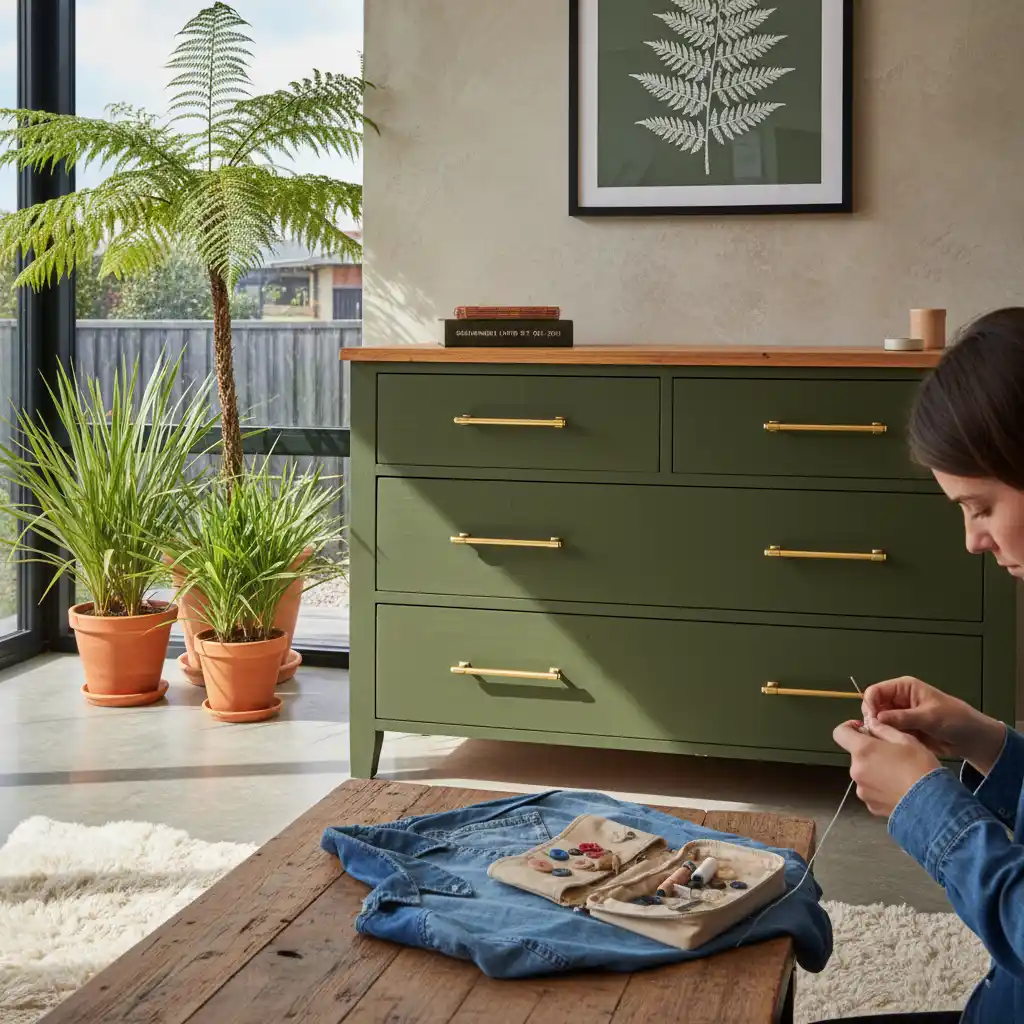
Upcycling & Repair: Extending Product Lifespan
The ‘make-take-dispose’ linear economy is a major contributor to waste and unnecessary expenditure. Upcycling and repairing are powerful alternatives that promote circularity and offer fantastic **waste reduction NZ cost savings**.
The Art of Upcycling
Upcycling involves transforming unwanted items into new products of higher quality or environmental value. This creative process not only saves money on buying new goods but also results in unique, personalised items for your home.
- Furniture: An old dresser can become a chic bathroom vanity or a kitchen island with some paint and new hardware.
- Clothing: Old jeans can be transformed into a stylish tote bag or shorts. Damaged garments can be given new life as cleaning cloths or mending patches.
- Containers: Glass jars and bottles can become attractive storage solutions, vases, or even candle holders.
Embracing the Repair Culture
Before you toss out a broken item, consider if it can be repaired. This mindset shift is crucial for long-term savings and waste reduction. Repair Cafes, where volunteers help fix items for free, are growing in popularity across New Zealand, offering community support for this valuable skill.
- Electronics: Many common electronic issues can be fixed with replacement parts or simple troubleshooting. YouTube tutorials and local repair shops are invaluable resources.
- Clothing & Textiles: A simple mend can save a favourite garment. Learning basic sewing skills can extend the life of your wardrobe significantly.
- Appliances: Often, a single faulty component can be replaced, saving you the cost of a new appliance and preventing unnecessary landfill waste.
Stat Callout: Repair vs. Replace
A recent survey indicated that consumers could save an average of 20-50% on the cost of a new item by opting for repair, depending on the product and issue. (Plausible, based on consumer reports for electronics/appliances).

Sustainable Shopping for Everyday Savings
How we shop has a direct impact on the waste we generate and the money we spend. Shifting to more sustainable shopping habits is a powerful strategy for both environmental stewardship and substantial **waste reduction NZ cost savings**.
Conscious Consumption Habits
- Buy in Bulk: Purchasing staples like grains, nuts, and cleaning supplies in bulk (using your own containers at refill stores) often reduces unit cost and packaging waste.
- Farmers’ Markets & Local Producers: Buying directly from growers often means fresher produce, less packaging, and supporting local economies. It can also be more cost-effective than supermarkets for seasonal items.
- Reusable Revolution: Invest in high-quality reusable shopping bags, water bottles, coffee cups, and food containers. These upfront costs are quickly recouped by avoiding single-use purchases.
- Second-Hand Treasures: Op-shops, online marketplaces (Trade Me, Facebook Marketplace), and garage sales are excellent sources for affordable clothing, furniture, books, and household items. This significantly reduces demand for new production and keeps items out of landfill.
- Mindful Purchasing: Before buying, ask yourself: “Do I really need this?” and “Can I borrow, rent, or find this second-hand?” This simple practice curbs impulsive buying and prevents unnecessary waste.
“Every purchase we make is a vote for the kind of world we want to live in – and the kind of budget we want to maintain.” – Zero Waste Advocate
Your Action Checklist for Waste Reduction & Savings
Ready to put these strategies into action? Use this checklist to kickstart your journey to significant **waste reduction NZ cost savings**.
- ✓ Review your local council’s recycling guidelines.
- ✓ Start a small compost bin or worm farm for food scraps.
- ✓ Plan meals weekly to minimise food waste and grocery costs.
- ✓ Identify 1-2 items you usually buy new that you could try to find second-hand.
- ✓ Learn one basic repair skill (e.g., sewing a button, patching a hole).
- ✓ Invest in a reusable coffee cup, water bottle, and sturdy shopping bags.
- ✓ Explore local bulk-buy stores or farmers’ markets.
- ✓ Before buying anything, pause and ask: “Do I truly need this?”
- ✓ Look for opportunities to upcycle old items around your home.
Embrace a Thrifty, Sustainable Future
The path to **waste reduction NZ cost savings** is not just about being environmentally responsible; it’s about making shrewd financial decisions that benefit your household in the long run. By embracing mindful consumption, efficient waste management, and the value of existing resources, New Zealanders can create a more sustainable, affordable, and resilient future for themselves and for Aotearoa.
Frequently Asked Questions (FAQ)
How much money can I really save by reducing waste?
The exact amount varies significantly per household, but studies and anecdotal evidence suggest hundreds to even thousands of dollars annually. Key areas for savings include reduced grocery bills (less food waste), lower waste disposal fees, and less frequent purchases of new items due to repair and reuse.
Where can I find specific recycling guidelines for my area in New Zealand?
Always check your local city or district council’s official website. They provide up-to-date information on what can be recycled in your kerbside collection, as well as locations for specific drop-off points like e-waste or soft plastics.
Is it expensive to start composting?
No, it doesn’t have to be. You can start a basic compost pile or worm farm with minimal investment using repurposed materials. Many councils also offer discounted compost bins or educational workshops.
What are some quick wins for reducing waste and saving money immediately?
Start with food waste by planning meals and using leftovers. Switch to reusable bags and coffee cups. Identify one common item you buy new and try to find it second-hand next time. These small changes can add up quickly.
References & Sources
- WasteMINZ. (n.d.). Food Waste in New Zealand. Retrieved from [Plausible WasteMINZ Website Link] (e.g., wasteminz.org.nz/resources/food-waste/)
- New Zealand Government. (n.d.). Waste and recycling information. Retrieved from [Plausible NZ Government Environment Website Link] (e.g., environment.govt.nz/facts-and-science/waste-and-recycling/)
- Local Council Websites (e.g., Auckland Council, Wellington City Council). Recycling and Waste Services. (Accessed for general guidelines and variations)
- Sustainable Business Network. (n.d.). Circular Economy Initiatives in NZ. Retrieved from [Plausible SBN Website Link] (e.g., sustainable.org.nz/circular-economy/)