Sustainable Homes & Green Energy in NZ: Your Guide to Eco-Friendly Living
New Zealanders are increasingly seeking ways to live more sustainably, and our homes offer a prime opportunity to make a significant impact. Transitioning to a greener lifestyle doesn’t have to be overwhelming. This comprehensive guide will help you navigate the world of green home solutions NZ has to offer, from energy efficiency upgrades to eco-friendly products, empowering you to create a healthier, more sustainable home environment.
Table of Contents
Energy Efficiency for NZ Homes
The first step towards a truly sustainable home is ensuring it’s as energy-efficient as possible. In New Zealand, this not only means a reduced carbon footprint but also significant savings on your power bills. Many older Kiwi homes are notorious for being cold and damp, but simple upgrades can make a world of difference.
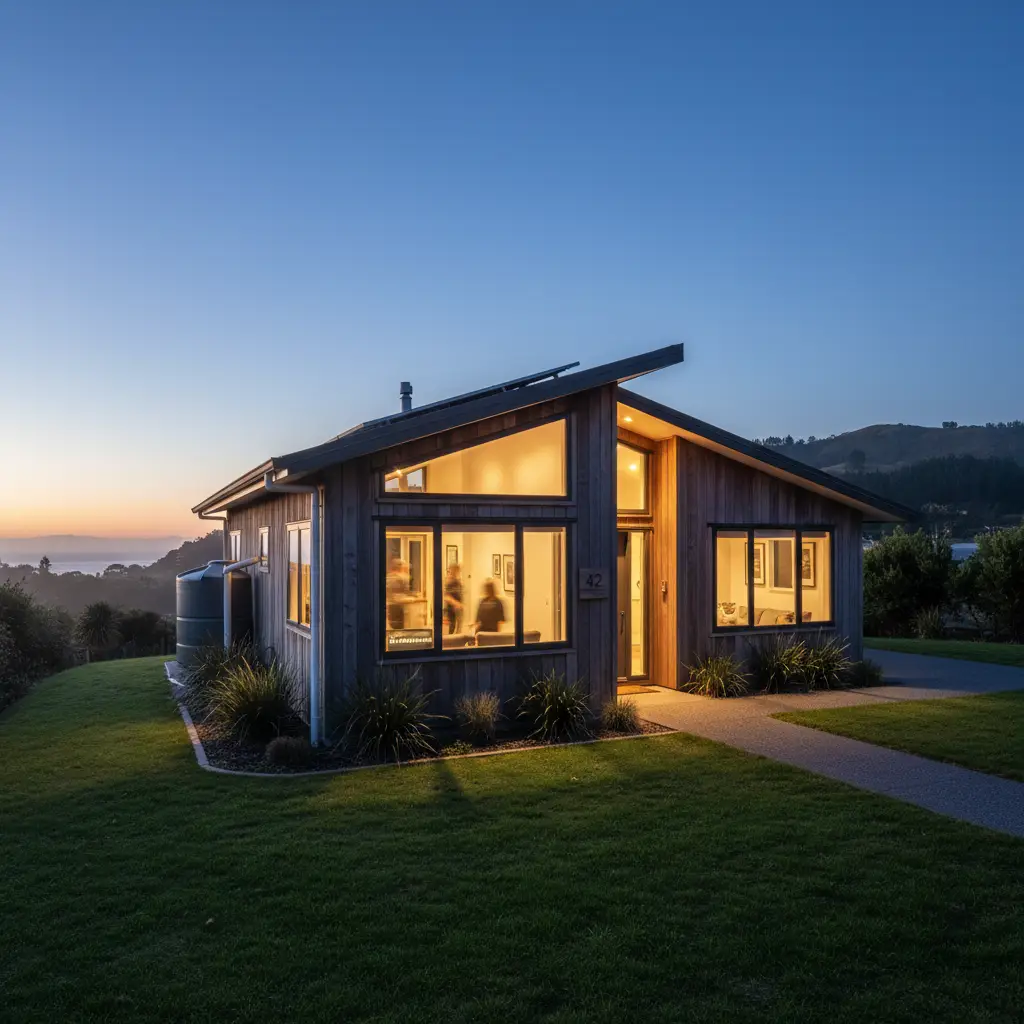
Key Strategies for an Energy-Efficient Home
- Superior Insulation: New Zealand building code standards for insulation have evolved. Upgrading ceiling, wall, and underfloor insulation is paramount to retaining heat in winter and keeping your home cool in summer.
- Double Glazing: Single-glazed windows are major culprits for heat loss. Investing in double glazing drastically improves thermal performance and reduces condensation.
- Draught-Proofing: Seal gaps around windows, doors, and floorboards. Simple draught excluders can prevent significant heat escape.
- Efficient Appliances: Look for Energy Star rated appliances. While the initial cost might be higher, the long-term energy savings are substantial.
Stat Callout: According to EECA (Energy Efficiency and Conservation Authority), a well-insulated and draught-proofed home can use up to 40% less energy for heating and cooling, significantly reducing your electricity bills and carbon footprint.
Renewable Energy Options
Once your home is energy-efficient, the next logical step in adopting green home solutions NZ is to generate your own clean energy. New Zealand is blessed with abundant natural resources, making renewable energy an attractive and viable option for homeowners.
Solar Power in NZ
Solar photovoltaic (PV) systems convert sunlight directly into electricity, reducing your reliance on grid power and helping to stabilise your energy costs against future price increases.
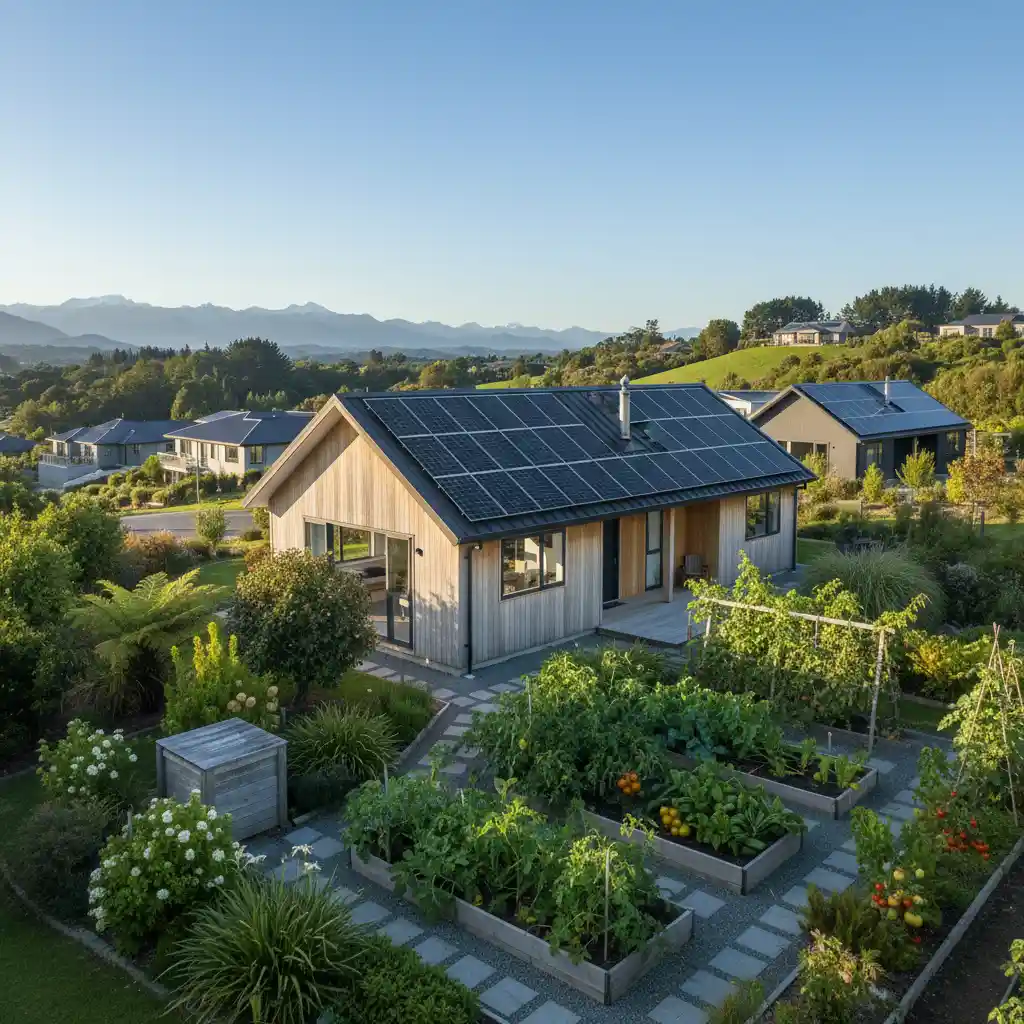
Pros of Solar Power
- Reduced or eliminated electricity bills
- Reduced carbon footprint
- Increased home value
- Potential for battery storage for energy independence
- Hedge against rising energy prices
Cons of Solar Power
- Significant upfront investment
- Performance depends on sunlight availability
- Requires suitable roof space and orientation
- Grid-tie regulations can be complex
Heat Pumps: Efficient Heating & Cooling
Heat pumps are an incredibly efficient way to heat and cool your home. They work by transferring heat from one place to another, rather than generating it, making them far more energy-efficient than traditional electric heaters or open fires.
- How they work: Extract heat from the outside air (even on cold days) and transfer it indoors, or vice-versa for cooling.
- Benefits: Lower running costs, improved indoor air quality, effective dehumidification.
- Considerations: Correct sizing is crucial for optimal efficiency. Professional installation is recommended.
Sustainable Building Materials
For those undertaking renovations or building new, choosing sustainable building materials is a cornerstone of creating a truly green home. These materials minimize environmental impact throughout their lifecycle, from extraction and manufacturing to use and disposal.
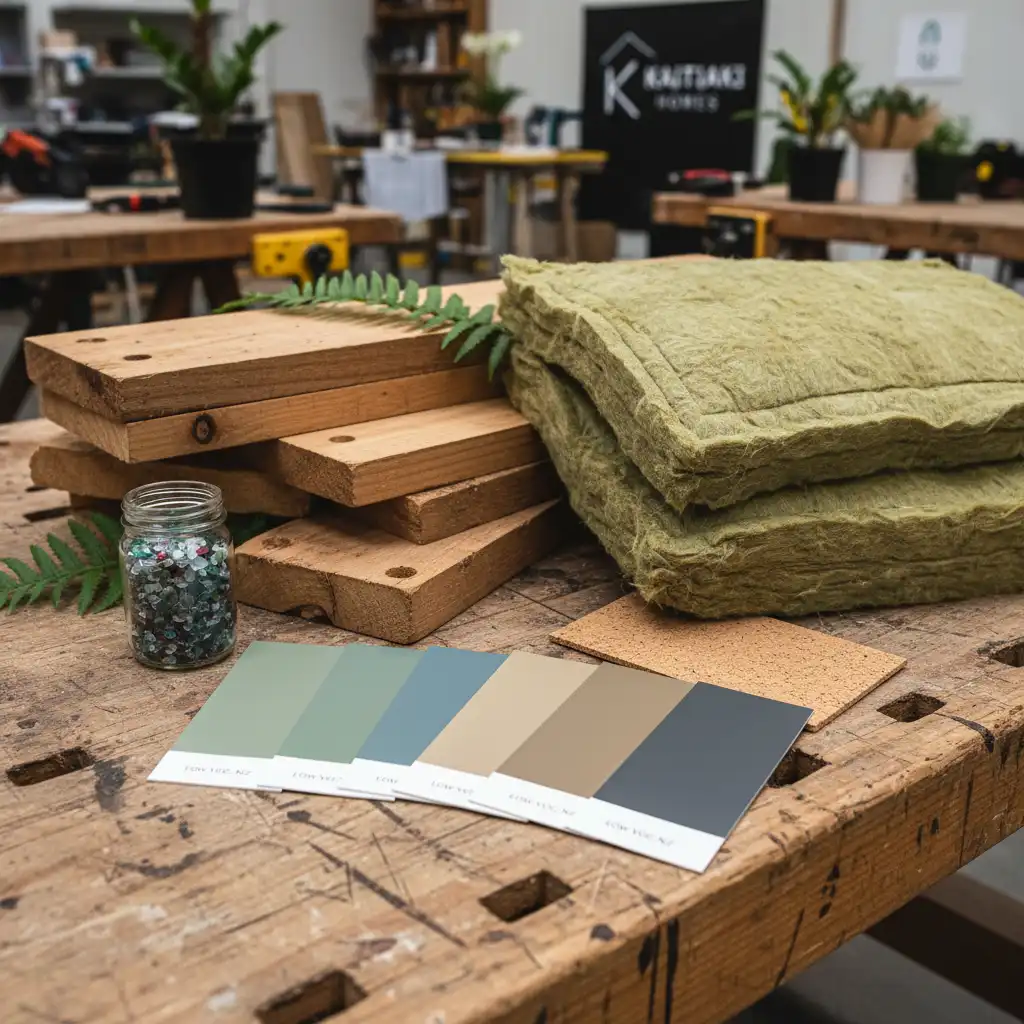
Eco-Conscious Choices for Your Home
- Recycled & Reclaimed Materials: Opt for reclaimed timber, recycled steel, or salvaged bricks to reduce demand for new resources.
- Locally Sourced: Choose materials produced in New Zealand to minimize transportation emissions. Look for FSC-certified timber from sustainable forests.
- Low-VOC Paints & Finishes: Volatile Organic Compounds (VOCs) contribute to indoor air pollution. Select paints, adhesives, and sealants with low or zero VOCs for healthier interiors.
- Natural Insulation: Alternatives to conventional insulation include wool, hemp, or recycled denim, offering excellent thermal performance with a lower environmental footprint.
“Every material choice we make has a ripple effect. Opting for sustainable building materials can significantly reduce a home’s embodied carbon – the emissions associated with its construction – by up to 50% or more.”
Water Conservation Tips
Water is a precious resource, and efficient use in our homes is another vital component of green home solutions NZ. With increasing pressure on water supplies in many regions, conserving water protects our environment and saves on utility bills.
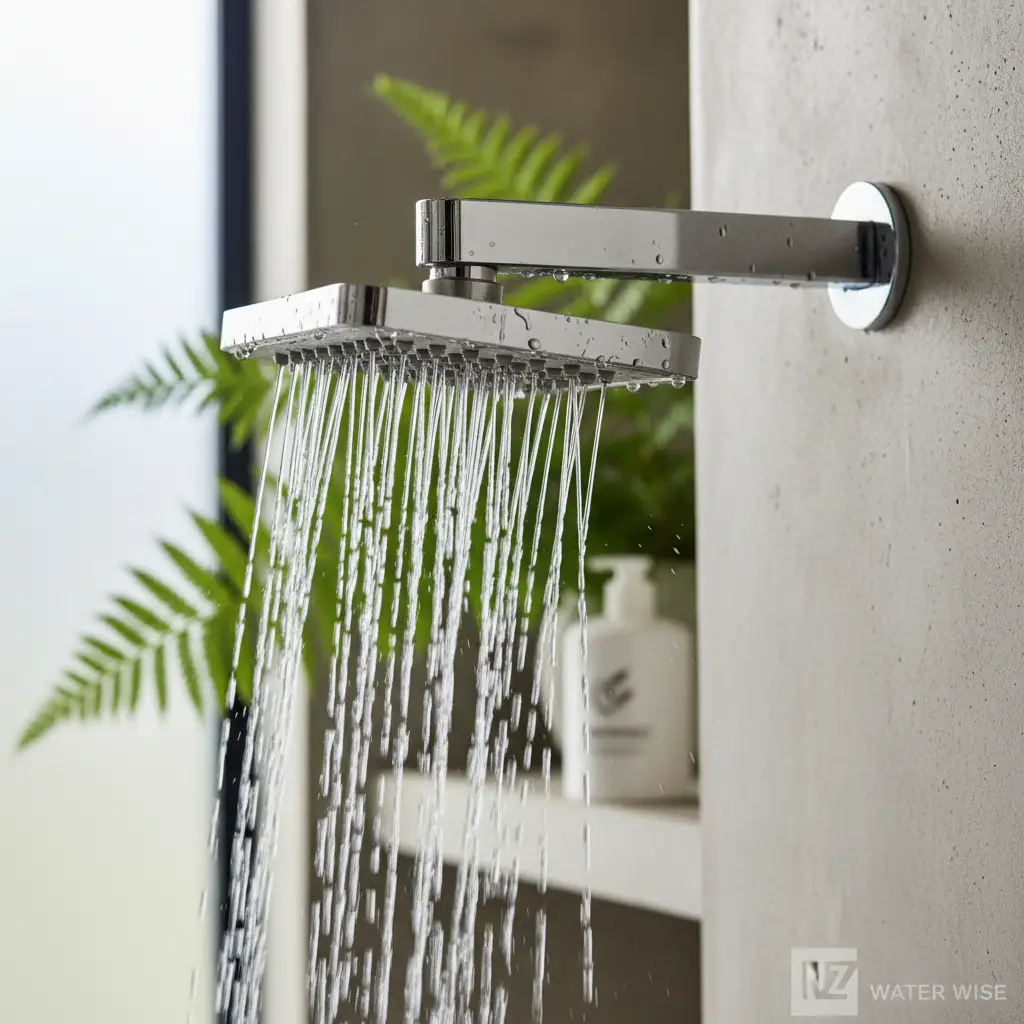
Simple Ways to Save Water at Home
- Rainwater Harvesting: Install a rainwater tank to collect water for gardening, flushing toilets, or even laundry, reducing your reliance on mains supply.
- Low-Flow Fixtures: Replace old showerheads, taps, and toilets with low-flow models. Modern designs offer excellent performance with significantly less water.
- Water-Efficient Landscaping: Choose native, drought-tolerant plants for your garden. Use mulch to retain soil moisture and reduce the need for frequent watering.
- Greywater Recycling: Consider a greywater system to reuse water from showers, baths, and laundry for irrigation in your garden.
Eco-Friendly Home Products
Embracing sustainable living extends beyond big renovations to the everyday choices we make. The market for eco-friendly home products in New Zealand is growing, offering alternatives that are better for your health and the planet.
Making Conscious Choices for Your Home
- Natural Cleaning Products: Swap chemical-laden cleaners for natural, biodegradable options, or make your own with ingredients like vinegar and baking soda. Many NZ brands offer refillable solutions.
- Composting Solutions: Reduce landfill waste by composting food scraps. Options range from simple compost bins to worm farms and Bokashi systems.
- Waste Reduction: Invest in reusable items like coffee cups, water bottles, and shopping bags. Look for products with minimal or compostable packaging.
- LED Lighting: Replace incandescent and halogen bulbs with energy-efficient LEDs. They use significantly less energy and last much longer.
When choosing products, look for certifications (like Eco-label), transparent ingredient lists, and support local businesses committed to sustainability. Every small change contributes to a larger impact.
Frequently Asked Questions (FAQ)
What are the most effective green home solutions for an existing NZ home?
For existing homes, the most impactful solutions often start with improving energy efficiency. This includes upgrading insulation (ceiling, underfloor, walls), installing double glazing, and ensuring good draught-proofing. These measures significantly reduce heat loss and can lower energy bills immediately.
Is solar power a good investment in New Zealand?
Yes, solar power can be an excellent investment in New Zealand. With rising electricity costs and increasing grid stability concerns, generating your own power offers long-term savings, reduces your carbon footprint, and adds value to your property. Payback periods vary, but many homeowners see returns within 7-12 years, with systems lasting 25+ years.
Are there grants or subsidies for green home upgrades in NZ?
Yes, various schemes exist. EECA (Energy Efficiency and Conservation Authority) often offers grants or information on local council initiatives for insulation, heating, and other energy-saving measures. Check the EECA website or your local council for current programmes like the Warmer Kiwi Homes programme.
How can I reduce my home’s water consumption effectively?
Effective water conservation starts with installing low-flow showerheads and taps, and using water-efficient appliances. Beyond that, consider a rainwater harvesting system for outdoor use and toilet flushing, and xeriscaping or choosing native plants for your garden to reduce irrigation needs.
What are some common misconceptions about green homes?
A common misconception is that green homes are prohibitively expensive. While some advanced solutions have higher upfront costs, many upgrades (like insulation or LED lighting) have quick payback periods. Another myth is that they compromise comfort; in fact, green homes are often healthier, warmer, and more comfortable due to better design and materials.
References & Sources
- Energy Efficiency and Conservation Authority (EECA) – eeca.govt.nz
- NZ Green Building Council (NZGBC) – nzgbc.org.nz
- Ministry for the Environment – environment.govt.nz
- Consumer NZ – consumer.org.nz (for appliance ratings and home advice)
- Stats NZ – stats.govt.nz (for general New Zealand data)