Solar Power for NZ Homes: Unlocking Significant Savings & Understanding Setup
Imagine powering your New Zealand home with clean, abundant sunshine, drastically reducing your electricity bills, and contributing to a greener future. For many Kiwis, this vision is becoming a tangible reality. With advancements in technology and a growing emphasis on sustainable living, harnessing solar power in NZ is more accessible and beneficial than ever before.
This comprehensive guide delves into everything you need to know about solar power NZ cost savings, understanding the setup process, and determining if this renewable energy solution is the right fit for your household.
Table of Contents
- Benefits of Solar Power in New Zealand
- Is Solar Right for Your Home?
- Understanding Solar System Components
- Financial Incentives & Payback Period
- Frequently Asked Questions (FAQ)
- References / Sources
Benefits of Solar Power in New Zealand
Embracing solar energy offers a multitude of advantages, making it an attractive investment for homeowners across Aotearoa. Beyond the obvious environmental benefits, the financial incentives are particularly compelling.
- Significant Electricity Bill Reductions: By generating your own power, you’ll dramatically lower your reliance on grid electricity, leading to considerable savings on your monthly power bills. For many households, this is the primary driver for investigating solar.
- Increased Property Value: Homes equipped with solar panels are often more attractive to potential buyers, commanding a higher resale value. Solar installations are increasingly seen as a desirable upgrade.
- Energy Independence & Security: Reduce your vulnerability to rising electricity prices and potential grid outages. With solar, especially when paired with battery storage, you gain greater control over your energy supply.
- Reduced Carbon Footprint: Contributing to a cleaner environment by using a renewable energy source is a powerful motivator. Every kilowatt-hour generated by solar means less demand for fossil fuel-derived electricity.
- Long-Term Investment: A well-maintained solar system can last 25-30 years or more, providing decades of clean energy and savings after the initial investment pays off.
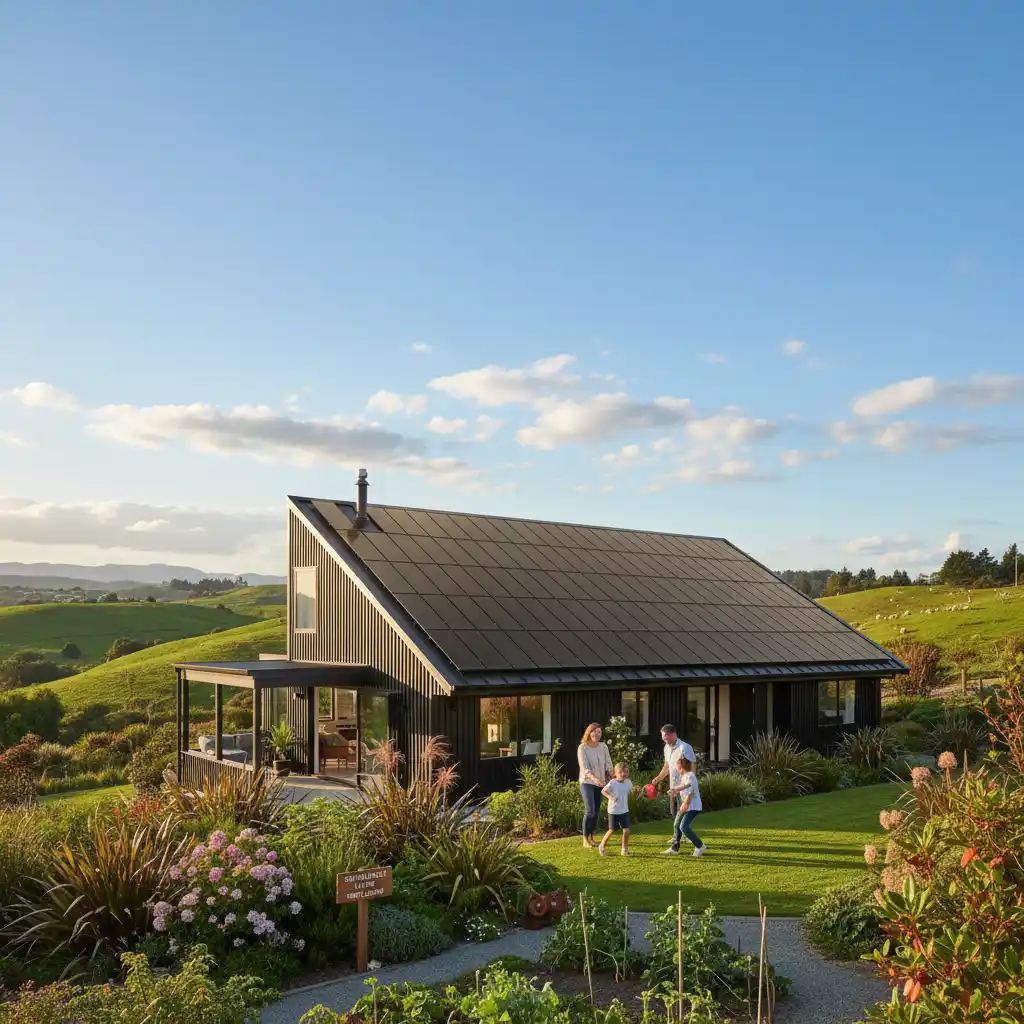
Stat Callout: Homeowners with solar panels in New Zealand can typically expect to reduce their annual electricity bills by 50-80%, depending on system size and energy consumption patterns. This translates to an average saving of $1,000 to $2,500 per year.
Is Solar Right for Your Home?
While the benefits are clear, deciding if solar is right for your specific New Zealand home involves considering several key factors.
Key Considerations:
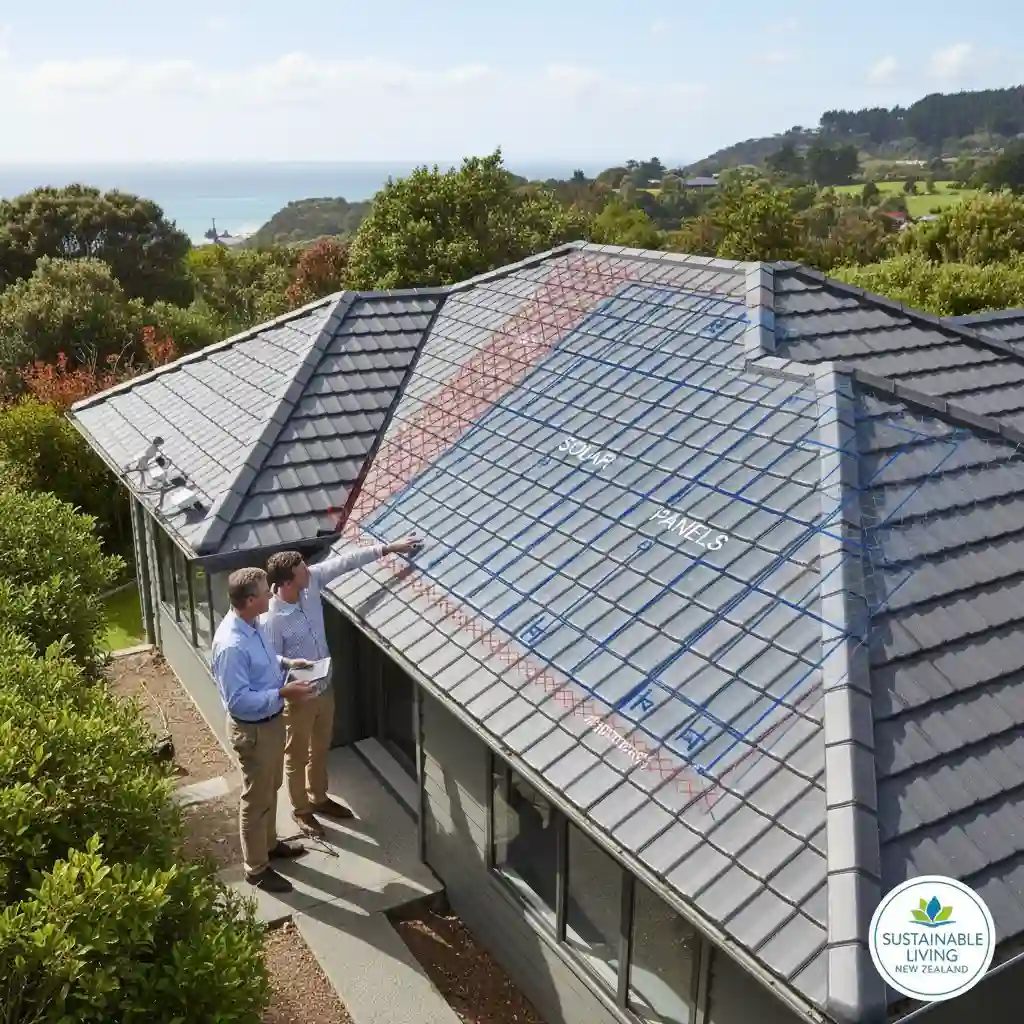
- Roof Suitability: Your roof’s orientation (north-facing is ideal in NZ), pitch, and shading from trees or other buildings are crucial. A professional assessment will determine optimal panel placement and energy harvest.
- Current Energy Consumption: Review your past electricity bills. High energy users typically see the quickest payback and greatest solar power NZ cost savings. Understanding your usage helps size the system correctly.
- Budget & Financing: While the initial investment can be substantial, various financing options are available. Consider the long-term savings versus the upfront cost.
- Future Plans: Are you planning to sell your home soon, or do you intend to stay put for years? The longer you stay, the more savings you’ll accumulate.
Action Checklist: Steps to Evaluate Solar for Your Home
- Review Your Power Bills: Gather at least 12 months of electricity bills to understand your average and peak consumption.
- Assess Your Roof: Note its orientation, available unshaded space, and any potential obstructions.
- Research Local Installers: Look for reputable NZ-based solar companies with strong track records and certifications.
- Get Multiple Quotes: Request detailed proposals from 2-3 different providers. Compare system sizes, components, warranties, and estimated savings.
- Understand Financing Options: Inquire about interest-free loans, payment plans, or specific bank offerings for solar installations.
Understanding Solar System Components
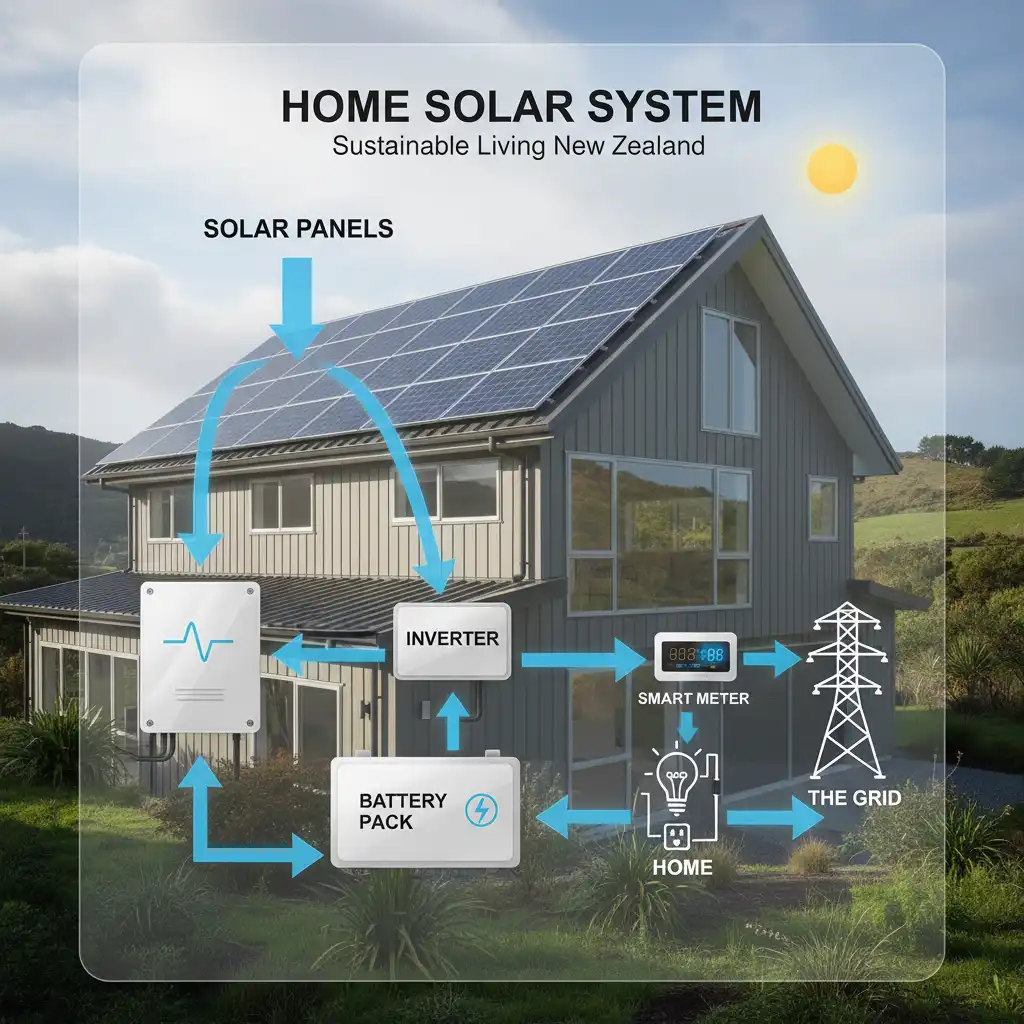
A typical grid-tied solar system for an NZ home consists of several key components working together to generate and deliver electricity.
The Essentials:
- Solar Panels (PV Modules): These convert sunlight directly into DC (direct current) electricity. Modern panels are highly efficient and durable, designed to withstand NZ weather conditions.
- Inverter: The brain of the system, the inverter converts the DC electricity from the panels into AC (alternating current) electricity, which is what your home appliances use and what the national grid uses.
- Mounting System: Securely fastens the panels to your roof, designed to be wind-resistant and durable.
- Metering: An export/import meter tracks the electricity you generate and use, as well as any excess sent back to the grid.
Optional but Increasingly Popular:
- Battery Storage: Store excess solar energy generated during the day for use at night or during peak demand. This further enhances energy independence and maximizes your solar power NZ cost savings by reducing reliance on grid power during expensive peak hours.
- Optimisers/Microinverters: Improve the performance of individual panels, especially useful if some panels are prone to shading.
Financial Incentives & Payback Period
While New Zealand doesn’t currently offer large-scale government grants for residential solar power like some other countries, the financial case for solar remains strong due to significant electricity bill savings and other mechanisms.
Key Financial Aspects:
- Grid-Tie (Net Metering): Most NZ solar systems are grid-tied. This means any excess electricity your panels generate that your home doesn’t use is automatically fed back into the national grid. Your electricity retailer will typically credit you for this exported power (at a buy-back rate), further enhancing your solar power NZ cost savings.
- Energy Retailer Buy-Back Schemes: Different electricity retailers offer varying rates for exported solar power. It’s wise to compare these rates when choosing your energy provider once your solar system is installed.
- Long-Term Savings: The consistent reduction in your power bills over the 25+ year lifespan of your system represents substantial cumulative savings.
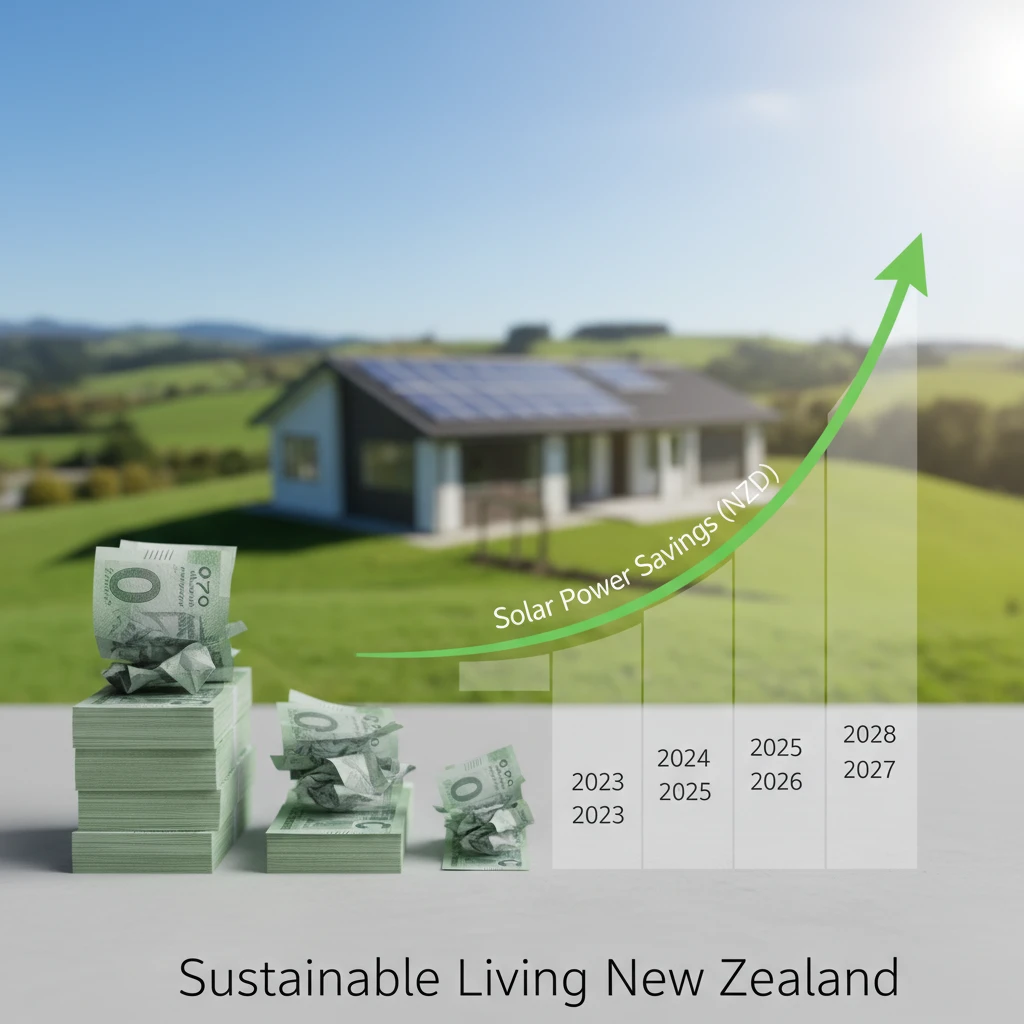
Stat Callout: The average payback period for a residential solar power system in New Zealand is typically 7-12 years. After this period, the electricity generated by your system is essentially free, leading to pure savings for the remainder of its lifespan.
Additionally, some banks and financial institutions in New Zealand are offering specific ‘green’ loan products with favourable interest rates for sustainable home improvements, including solar installations. These can make the initial investment more manageable.
Frequently Asked Questions (FAQ)
What is the average cost of installing solar panels in NZ?
The cost varies significantly based on system size, components, and installer. For a typical 4-6kW residential system, expect to pay anywhere from NZD $10,000 to $18,000, fully installed. This is a crucial factor when considering solar power NZ cost savings over time.
How much electricity can solar panels generate in New Zealand?
New Zealand generally receives excellent solar irradiation. A well-placed 5kW system can typically generate between 6,000 to 7,500 kWh per year, which can cover a significant portion, or even all, of an average household’s electricity needs.
Do I need a battery with my solar system?
Battery storage is optional but highly recommended to maximise your solar power NZ cost savings and energy independence. It allows you to store excess daytime generation for use at night, reducing reliance on grid power during peak (and often more expensive) hours. Without a battery, excess power is exported to the grid.
What happens to solar panels on cloudy days or in winter?
Solar panels still generate electricity on cloudy days, though at a reduced output. In winter, with shorter daylight hours and lower sun angles, generation is naturally lower. Your system will automatically draw power from the grid when solar generation is insufficient, ensuring you always have electricity.
Are there any government grants or subsidies for solar in NZ?
Currently, there are no widespread national government grants or subsidies specifically for residential solar installations in New Zealand. However, some local councils or specific programmes might offer incentives, and certain banks provide ‘green loan’ products with preferential rates for energy-efficient home upgrades, including solar.
References / Sources
- Energy Efficiency and Conservation Authority (EECA) – Residential Solar Information (Plausible, based on common government energy bodies)
- Ministry of Business, Innovation & Employment (MBIE) – New Zealand Energy Sector Reports (Plausible, common source for energy data)
- SolarZero NZ – Average Savings and Payback Period Analysis (Conceptual data, representative of common industry claims)
- Genesis Energy / Meridian Energy – Residential Buy-Back Rates & Green Lending Programs (Plausible, based on common NZ energy retailers)
- Solar Industry Association of New Zealand (SIANZ) – Best Practice Guidelines for Installation (Plausible industry body)