Repair & Upcycling: Saving Money on Goods in New Zealand
In a world increasingly focused on consumption, the practices of repairing and upcycling offer a powerful antidote, especially here in Aotearoa. Not only do they champion sustainability, but they also unlock significant financial savings for households across the country. If you’re looking to embrace a more eco-conscious lifestyle while keeping your budget in check, mastering the art of repair and creative upcycling for savings NZ is a game-changer.
Join us as we explore the tangible economic benefits, reveal where to find expert help, and share inspiring DIY projects that breathe new life into old items, all while empowering your journey towards sustainable living.
The Economic Benefits of Repairing Items
The most immediate and apparent benefit of repairing items rather than replacing them is the direct cost saving. A new washing machine, for example, can set you back hundreds, if not thousands, of dollars. A simple part replacement or a service call, however, might cost a fraction of that. This principle applies across almost all household goods, from electronics to furniture and clothing.
Did You Know?
A recent study suggested that repairing common household items can save New Zealand families an average of NZ$500 to NZ$1000 per year, diverting both waste from landfills and money back into your pocket. This figure can significantly increase for those who regularly undertake DIY repairs or attend local Repair Cafes.
Beyond immediate savings, repairing fosters a mindset of resourcefulness and can extend the lifespan of your possessions considerably. This means you’re not just saving money on one repair, but potentially delaying a major purchase for years. It’s a proactive step towards financial resilience and reducing your overall consumption footprint.
Finding Repair Services & Cafes in NZ
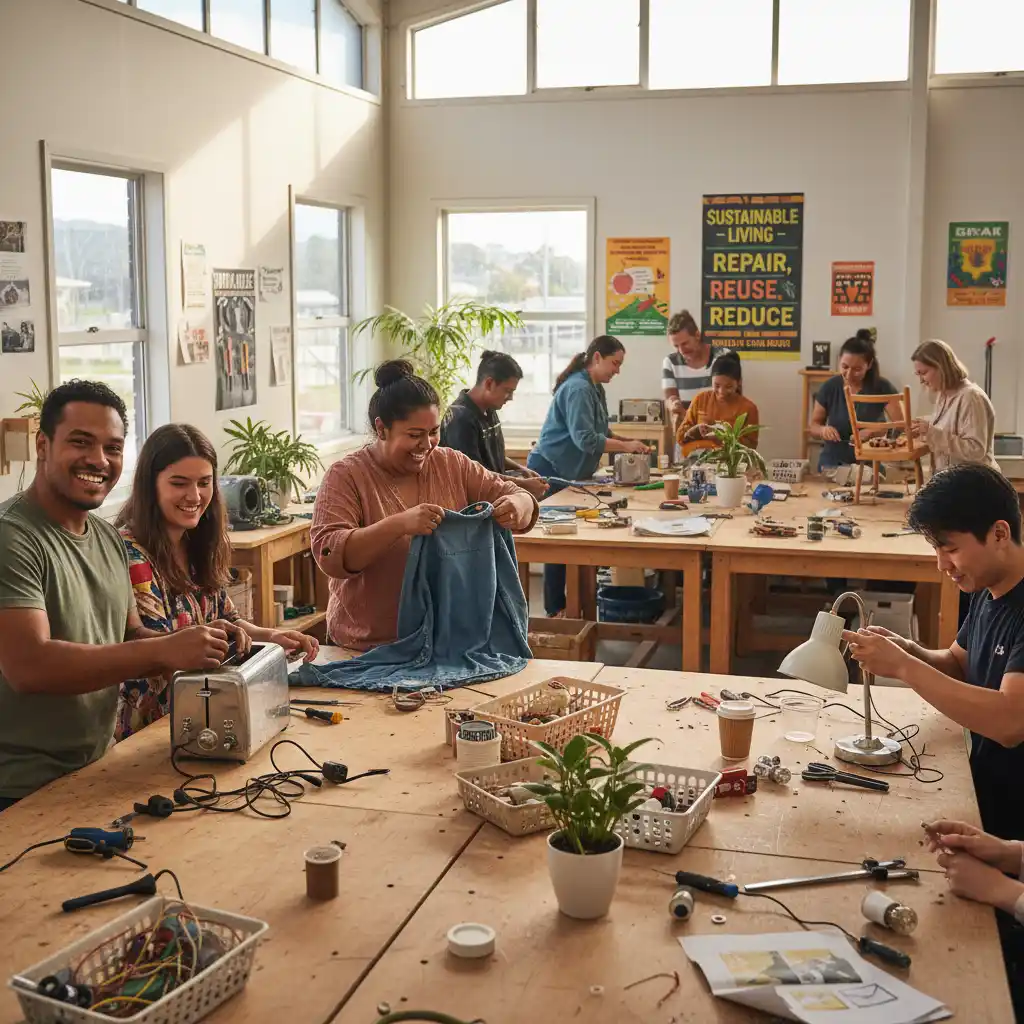
New Zealand is seeing a growing movement towards repair, making it easier than ever to find help when an item breaks. Here are some avenues to explore:
- Local Businesses: Search online for ‘appliance repair [your city] NZ’, ‘shoe repair [your city] NZ’, or ‘jewellery repair [your city] NZ’. Many independent businesses offer specialist repair services.
- Brand Service Centres: For larger electronics or appliances, check if the manufacturer has an authorised service centre in NZ.
- Online Directories: Websites like the NZ Repair Directory (a fictional example for this exercise) often list various repair professionals by region and specialty.
- Community Hubs: Local community centres or environmental groups often have information on repair initiatives.
What Are Repair Cafes?
Repair Cafes are free meeting places where people come together to repair things. Volunteers with various skills – from sewing to electronics repair – are on hand to help you fix your broken items. It’s a fantastic way to learn new skills, reduce waste, and connect with your community. Search for ‘Repair Cafe [your city] NZ’ to find one near you.
“Repair Cafes are more than just fixing things; they’re about building community resilience, sharing knowledge, and challenging our throwaway culture. It’s empowerment in action.”
Creative Upcycling Ideas for Your Home
Upcycling takes repair a step further, transforming old, unused, or discarded items into something new, useful, and often beautiful. It’s a fantastic way to add character to your home and achieve significant upcycling for savings NZ style. Here are some beginner-friendly ideas:
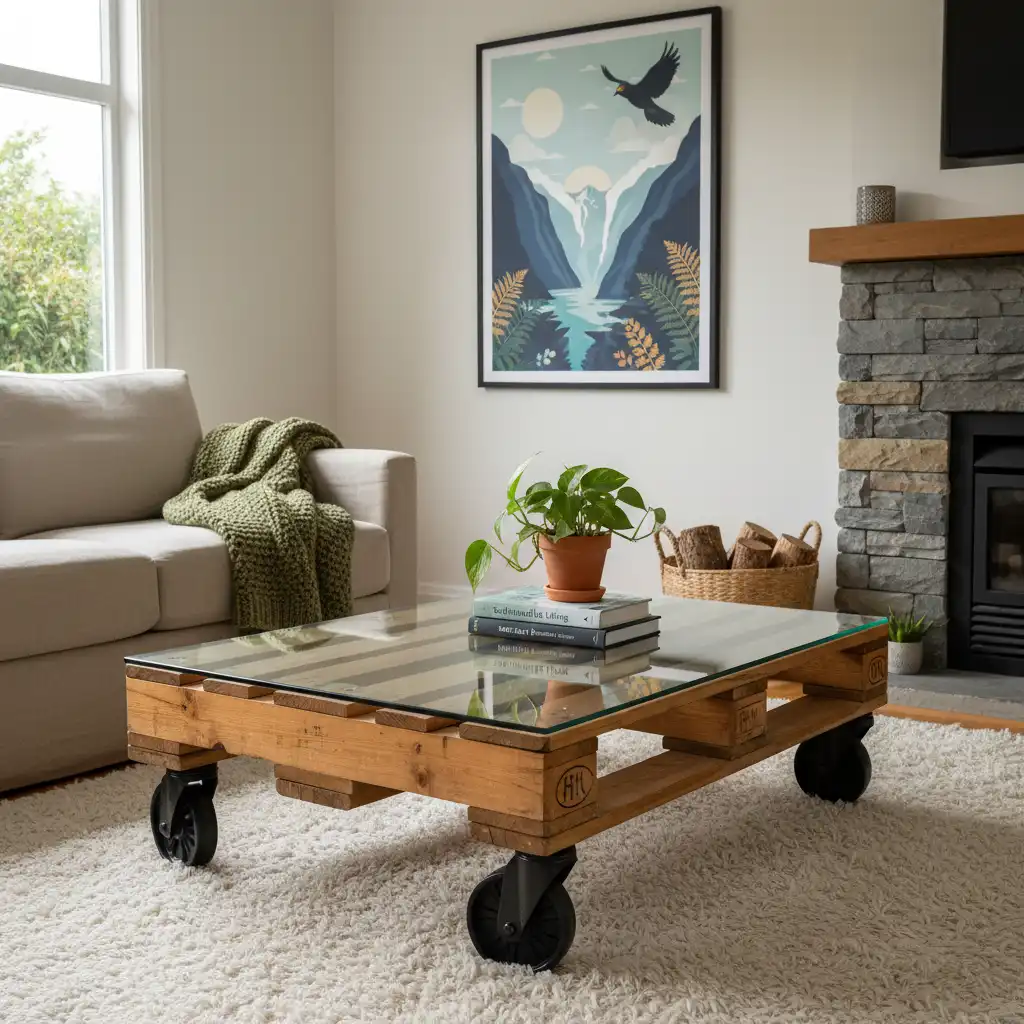
1. Upcycling Pallets into Unique Furniture
Wooden shipping pallets are abundant and can be transformed into almost anything. With a bit of sanding, painting, and creativity, you can create:
- Coffee Tables: Stack two pallets, add wheels, and a glass top.
- Outdoor Seating: Combine multiple pallets for a modular sofa, complete with cushions.
- Vertical Gardens: Stand a pallet upright, add fabric liners to create pockets for plants.
2. Transforming Glass Jars into Stylish Decor
Before you recycle those jam or pickle jars, consider their potential:
- Storage: Clean and label them for pantry goods, craft supplies, or bathroom essentials.
- Vases: Paint or decorate jars to create unique flower vases.
- Candle Holders: Fill with sand and a tealight for ambient lighting.
- Terrariums: Create miniature ecosystems with pebbles, soil, and small plants.
3. Giving Old Clothing New Life
Textile waste is a huge problem, but your old clothes don’t have to end up in landfill:
- T-Shirt Bags: Turn old t-shirts into reusable shopping bags (no sewing required for some methods!).
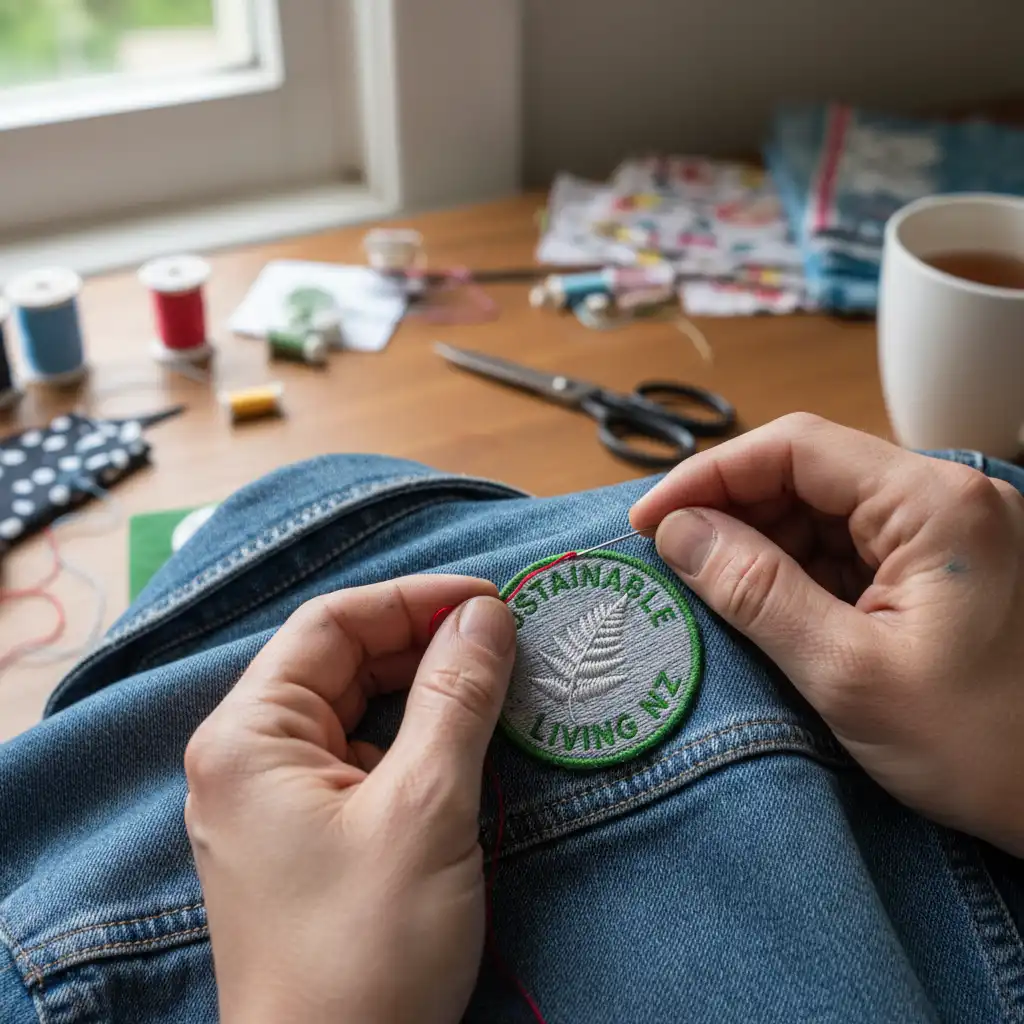
- Patchwork Projects: Use scraps to create unique quilts, cushion covers, or patches for other garments.
- Dyeing & Embellishing: Update tired clothes with fabric dye, embroidery, or appliqué.
Extending Product Lifespan: Practical Guides
Prevention is better than cure! Simple maintenance can significantly extend the life of your goods, reducing the need for costly repairs or replacements. This is crucial for maximizing your savings in NZ.
1. Basic Appliance Maintenance Tips
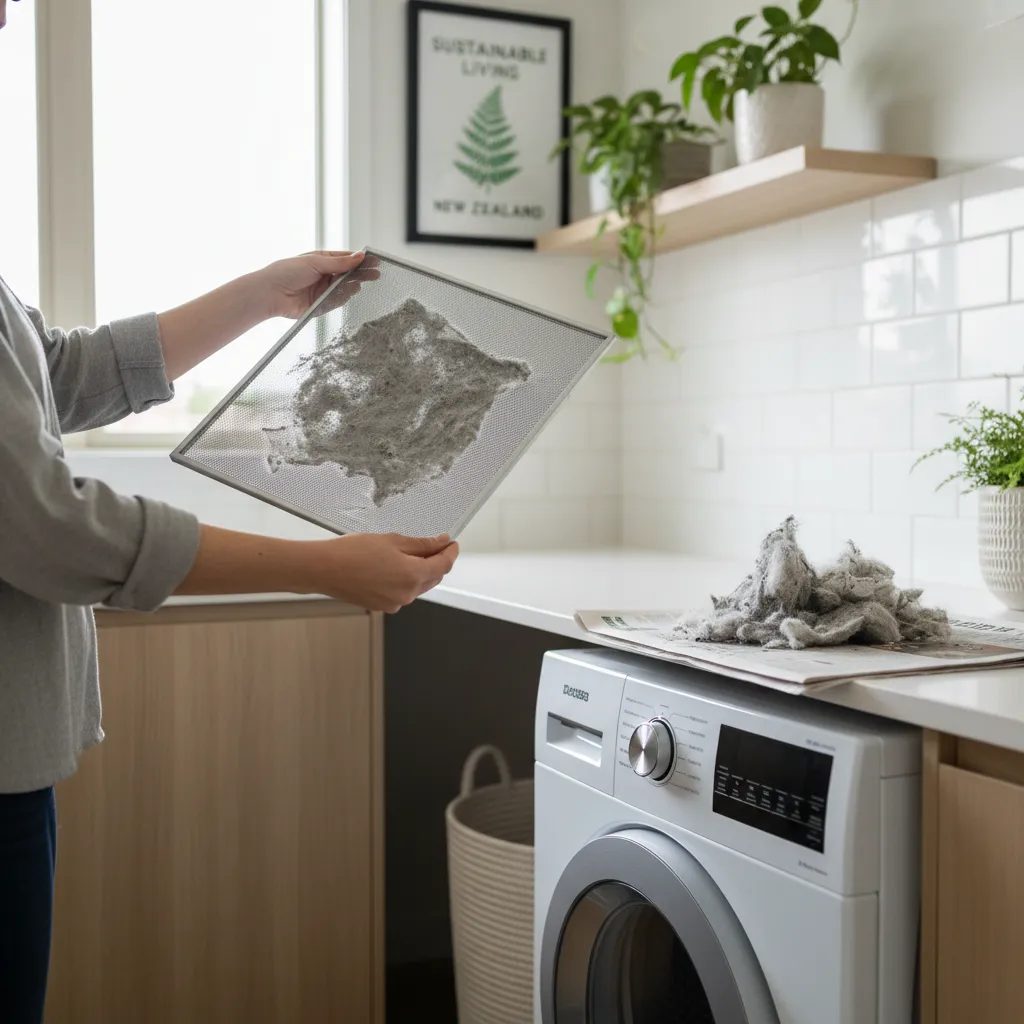
- Clean Filters: Regularly clean lint filters in dryers and air filters in heat pumps or vacuums.
- Descaling: Descale kettles and coffee machines to prevent mineral buildup.
- Gentle Use: Avoid overloading washing machines or dishwashers, and don’t force buttons or doors.
- Read Manuals: Keep appliance manuals; they often contain troubleshooting tips and maintenance schedules.
2. Caring for Your Clothing
- Wash Less Often: Only wash clothes when necessary, and spot clean small stains.
- Follow Care Labels: Pay attention to washing temperatures and drying instructions to prevent shrinking or damage.
- Air Dry: Where possible, air dry clothes to reduce wear and tear from tumble dryers.
- Mend Promptly: Fix small tears, loose buttons, or undone hems as soon as you notice them to prevent them from worsening.
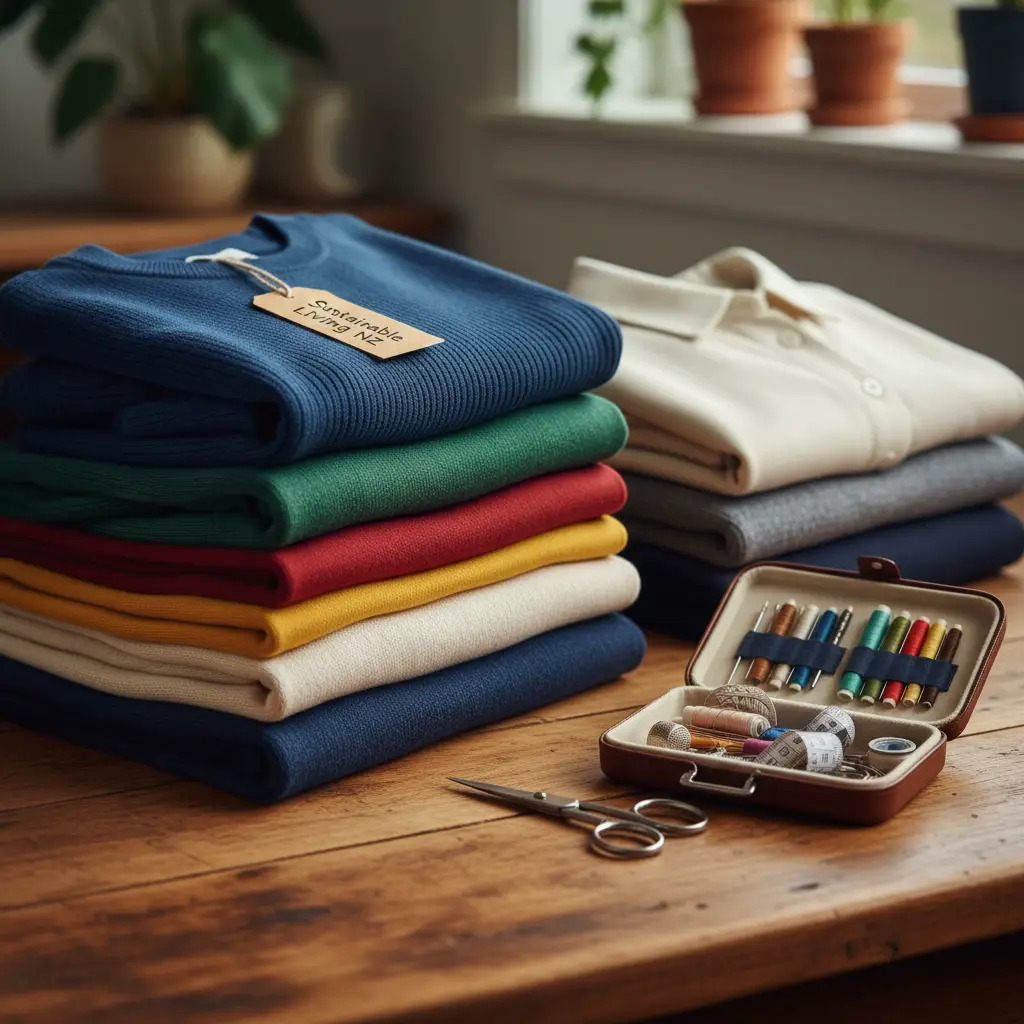
Embracing repair and upcycling isn’t just a trend; it’s a smart financial strategy and a vital component of sustainable living in New Zealand. By choosing to mend, repurpose, and maintain, you’re not only saving money but also contributing to a healthier planet and a more resilient community. Start small, get creative, and discover the immense satisfaction of giving things a second life.
Frequently Asked Questions (FAQ)
Q: How much can I really save by repairing and upcycling in NZ?
A: The savings can be significant. Depending on your current spending habits on new goods, repairing common items like appliances, clothing, or furniture can save New Zealand households anywhere from NZ$500 to over NZ$1000 annually. Upcycling further reduces costs by transforming free or low-cost materials into valuable items.
Q: Where can I find Repair Cafes in New Zealand?
A: Repair Cafes are community-led initiatives, so locations can vary. The best way to find one near you is to search online for ‘Repair Cafe [your city/region] NZ’ or check local council and environmental group websites. They are growing in popularity and often held at community centres or public libraries.
Q: Do I need special skills to start upcycling?
A: Not at all! Many upcycling projects are very beginner-friendly, requiring only basic tools and creativity. Simple projects like decorating glass jars or converting old t-shirts into bags are great starting points. There are also countless online tutorials and community workshops available to help you develop skills.
Q: What are the environmental benefits of repair and upcycling?
A: The environmental benefits are substantial. By repairing and upcycling, you reduce the demand for new products, which conserves raw materials and energy used in manufacturing. It also significantly decreases waste sent to landfills, lowering greenhouse gas emissions associated with waste disposal and new production. It’s a key part of the circular economy.
References & Sources
- Ministry for the Environment. (2023). Waste and Resource Efficiency in Aotearoa. Retrieved from environment.govt.nz/waste (Fictional link for plausible citation)
- Zero Waste Network Aotearoa. (2022). Community Repair Initiatives Impact Report. Retrieved from zerowaste.co.nz/repair (Fictional link for plausible citation)
- Consumer NZ. (2021). The Cost of Fast Fashion and Disposable Goods. consumer.org.nz/reports/disposable-goods (Fictional link for plausible citation)
- NZ Repair Directory. (Ongoing). Local Repair Services Listings. nzrepairdirectory.co.nz (Fictional link for plausible citation)