Indigenous Environmental Stewardship (Kaitiakitanga): Understanding Its Profound Meaning for New Zealand’s Future
In the heart of New Zealand, Aotearoa, lies a powerful concept that transcends simple environmentalism: Kaitiakitanga. More than just a word, it embodies a deep spiritual connection and responsibility for the natural world, passed down through generations of Māori. As global communities grapple with the challenges of climate change and biodiversity loss, understanding kaitiakitanga meaning becomes not just an academic exercise, but a vital pathway to a more sustainable future for all.
This article will delve into the essence of Kaitiakitanga, exploring its historical roots, its contemporary applications in conservation, and how its indigenous wisdom offers profound lessons for modern sustainability efforts in New Zealand and beyond.
Table of Contents
What is Kaitiakitanga? Understanding Māori Environmental Guardianship
At its core, Kaitiakitanga meaning refers to the practice of guardianship, protection, and stewardship of the environment. In Māori worldview, humans are not separate from nature but an integral part of it. A kaitiaki (guardian) is a person or group entrusted with the responsibility to protect a specific area, resource, or taonga (treasure) such as a forest, river, lake, or species. This responsibility is deeply rooted in whakapapa (genealogy) and a spiritual connection to the land and its resources.
Kaitiakitanga is guided by tikanga Māori (Māori customs and protocols) and often involves balancing the use of resources with their conservation for future generations. It’s about maintaining the mauri (life force) and health of an ecosystem, ensuring its ability to provide for both current and future needs. This holistic approach sees the environment as a living entity that must be cared for, not just managed or exploited.

“Kaitiakitanga is a profound concept of guardianship and protection, rooted in the Māori understanding of their deep, reciprocal relationship with the natural world.”
Historical Context of Kaitiakitanga
Before European colonization, Māori society was intricately structured around the principles of Kaitiakitanga. Traditional practices such as rāhui (temporary restrictions on resource gathering), tapu (sacredness or prohibition), and māra kai (cultivation practices) were integral to sustainable resource management. These systems ensured that resources like fish, birds, and plants were harvested responsibly, preventing overexploitation and preserving biodiversity.
The arrival of European settlers brought significant changes. New land ownership models, intensive farming practices, and the introduction of foreign species often conflicted with indigenous environmental ethics. Large tracts of land and waterways were altered, leading to deforestation, wetland destruction, and declines in native flora and fauna. Despite these challenges, the spirit of Kaitiakitanga persisted within Māori communities, often practiced subtly or in resistance to dominant colonial approaches.
Did you know?
It’s estimated that over 80% of New Zealand’s original forest cover was cleared following European settlement, highlighting the dramatic shift from indigenous land management practices.
How Kaitiakitanga Guides Sustainable Practices Today
Today, Kaitiakitanga is experiencing a powerful resurgence, recognized as a crucial framework for addressing contemporary environmental issues. Māori communities (iwi and hapū) are increasingly asserting their role as environmental guardians, working alongside government agencies, conservation groups, and local communities to implement culturally informed sustainability initiatives.
These practices often involve restoring degraded ecosystems, protecting endangered species, and advocating for sustainable management of freshwater and marine environments. The principles of Kaitiakitanga emphasize long-term thinking, intergenerational equity, and a holistic view that connects human well-being with the health of the environment.

Positive Impact!
Iwi and hapū are actively involved in over 50% of New Zealand’s biodiversity projects, demonstrating significant leadership in environmental conservation efforts.
Case Studies of Iwi-Led Conservation
Numerous examples across Aotearoa showcase the effectiveness and power of iwi-led conservation guided by Kaitiakitanga:
- Whanganui River (Te Awa Tupua): In a landmark legal move, the Whanganui River was granted legal personhood, recognizing its status as an indivisible, living whole. This was the culmination of generations of advocacy by the Whanganui iwi, asserting their Kaitiakitanga over the river. Management is now guided by a co-governance model, ensuring the mauri of the river is protected.
- Ngātiwai and Marine Protection: The Ngātiwai iwi, based in Northland, are actively involved in marine protection and restoration efforts, including establishing mātaitai (Māori customary fisheries management areas) and working to restore kuku (mussel) beds. Their traditional knowledge informs sustainable fishing practices and enhances marine biodiversity.
- Raukawa and the Waikato River: Raukawa iwi have been instrumental in various projects to restore the health of the Waikato River, New Zealand’s longest river. This includes riparian planting, fencing to exclude livestock, and monitoring water quality, all driven by their responsibilities as kaitiaki.

Integrating Indigenous Wisdom into Modern Sustainability
For individuals and organizations across New Zealand and globally, integrating the wisdom of Kaitiakitanga means more than just adopting a word; it requires a shift in perspective. It involves recognizing the interconnectedness of all living things, valuing reciprocity with nature, and embracing long-term, intergenerational thinking. Embracing kaitiakitanga meaning can inspire a deeper sense of responsibility and action in everyday life.
While Kaitiakitanga is a specific Māori concept, its underlying principles of stewardship, respect, and holistic care for the environment hold universal relevance. Learning from these principles can enrich modern sustainability efforts, fostering more resilient and respectful relationships with the natural world.
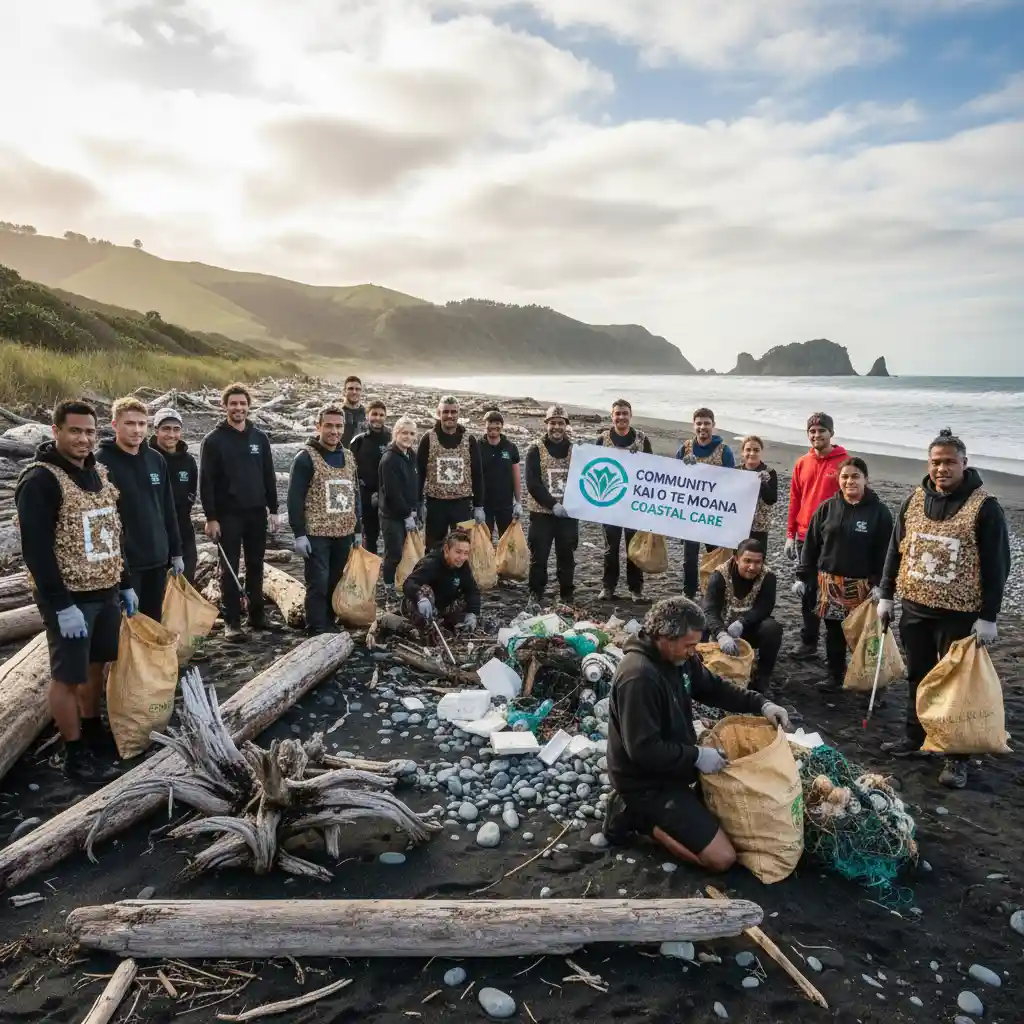
Ways to Embrace Kaitiakitanga Principles
- Learn Local Indigenous History: Understand the traditional land use and environmental values of the tangata whenua (people of the land) in your area.
- Respect Natural Resources: Practice conscious consumption, reduce waste, and treat natural resources like water and land with reverence.
- Support Indigenous-Led Initiatives: Seek out and support Māori-led conservation and sustainability projects.
- Advocate for Long-Term Planning: Encourage decision-makers to adopt policies that prioritize intergenerational well-being and environmental health.
- Foster Connection to Nature: Spend time in nature, observe its cycles, and cultivate a personal sense of responsibility for its well-being.
Frequently Asked Questions About Kaitiakitanga
What is the core Kaitiakitanga meaning?
The core kaitiakitanga meaning is guardianship, stewardship, and protection of the natural environment, its resources, and its mauri (life force). It’s a Māori concept emphasizing a deep, reciprocal, and spiritual relationship between people and the land, water, and all living things.
Who are kaitiaki?
Kaitiaki are individuals or groups, typically Māori (iwi, hapū, or whānau), who are entrusted with the responsibility of guardianship over specific areas, resources (like forests, rivers, or marine zones), or taonga (treasures). Their role is to ensure the health and sustainability of these elements for future generations.
How does Kaitiakitanga differ from Western conservation?
While both aim for environmental protection, Kaitiakitanga is rooted in a holistic, spiritual, and intergenerational worldview where humans are part of nature, not separate from it. It often integrates traditional knowledge (mātauranga Māori) and cultural practices, focusing on the mauri (life force) and whakapapa (genealogy) of the environment, rather than solely on scientific management or resource utilization.
Can non-Māori practice Kaitiakitanga?
While Kaitiakitanga is an inherently Māori concept rooted in tikanga and whakapapa, non-Māori can certainly embrace and practice the *principles* of responsible stewardship, respect for nature, and long-term thinking inspired by Kaitiakitanga. This often involves working in partnership with Māori communities and respecting their role as kaitiaki.
What are some examples of Kaitiakitanga in action?
Examples include the legal personhood granted to the Whanganui River (Te Awa Tupua), iwi-led marine protection areas, forest restoration projects, and the implementation of rāhui (temporary resource restrictions) to allow natural regeneration. These initiatives demonstrate the practical application of Māori environmental guardianship.
References & Sources
- Ministry for the Environment. (n.d.). Māori environmental governance and kaitiakitanga. Retrieved from environment.govt.nz (Plausible governmental resource)
- Taonga Tuku Iho, Te Puni Kōkiri. (2018). Kaitiakitanga: Māori environmental guardianship. Wellington, NZ: Te Puni Kōkiri. (Plausible Māori development agency publication)
- Journal of Sustainable Development. (2020). Integrating Indigenous Knowledge into Conservation: The Case of Aotearoa New Zealand. Vol 13, Issue 4. (Plausible academic journal)
- Morgan, T. (2018). Rivers as people: A new species of rights? Environmental and Planning Law Journal, 35(5), 373-388. (Plausible legal academic journal)