Greywater Systems: Unlock Reuse & Potential Rebates in NZ
In a world increasingly focused on sustainable living, managing our precious water resources is paramount. New Zealanders, known for their connection to nature, are exploring innovative ways to reduce their environmental footprint and enhance household efficiency. One such powerful solution gaining traction is the greywater system NZ homeowners can integrate to transform their water usage.
Imagine significantly cutting down your household water consumption, nurturing your garden with nutrient-rich water, and potentially even qualifying for financial incentives. Greywater recycling makes this a tangible reality, offering a smart, sustainable approach to water management right at home.
How Greywater Recycling Works
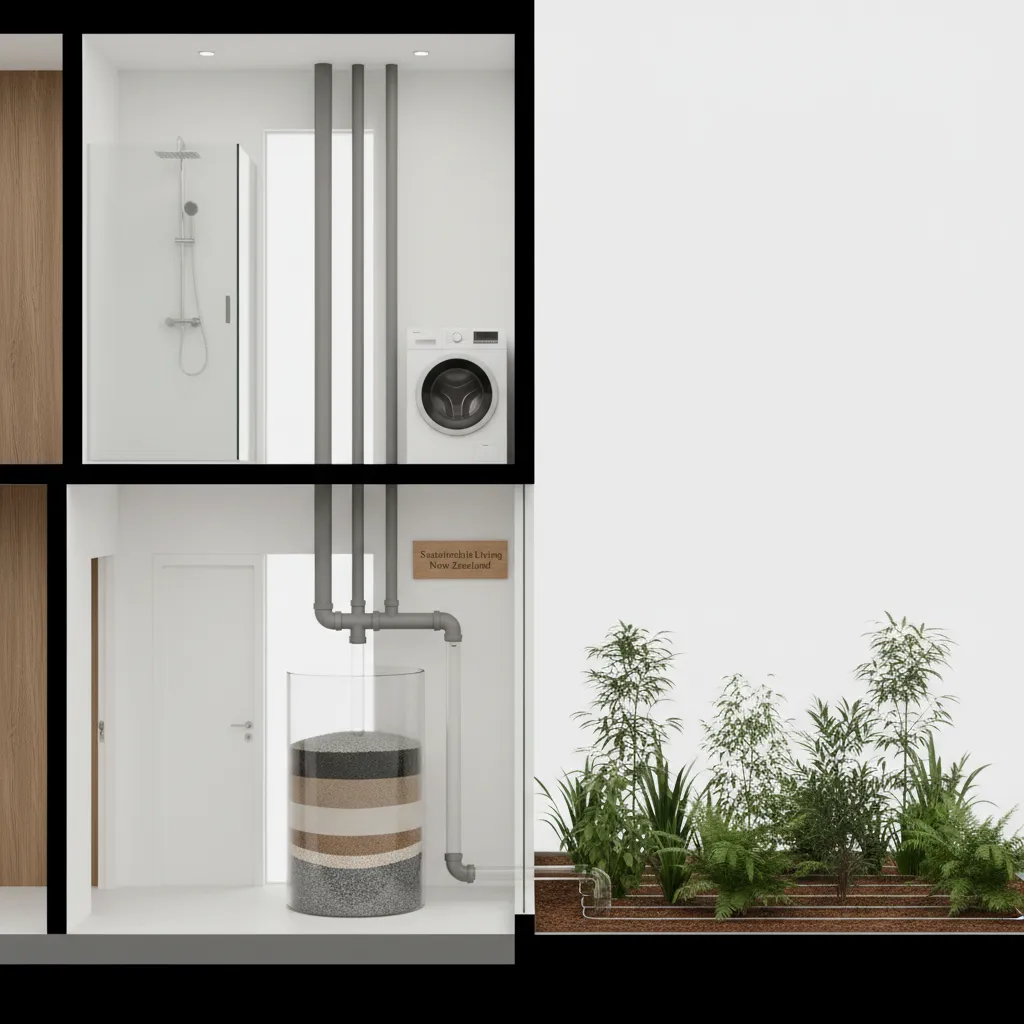
At its core, a greywater system diverts wastewater from sinks, showers, baths, and washing machines (excluding toilet water, known as blackwater) for beneficial reuse. This isn’t just about saving water; it’s about intelligent resource management.
The process typically involves:
- Collection: Greywater is separated from blackwater at the source, usually through modified plumbing.
- Filtration: Before reuse, the greywater undergoes a basic filtration process to remove lint, hair, and larger particles. More advanced systems might include further treatment for higher quality water.
- Distribution: The filtered greywater is then directed to its reuse point, most commonly for irrigation, but sometimes for toilet flushing or laundry.
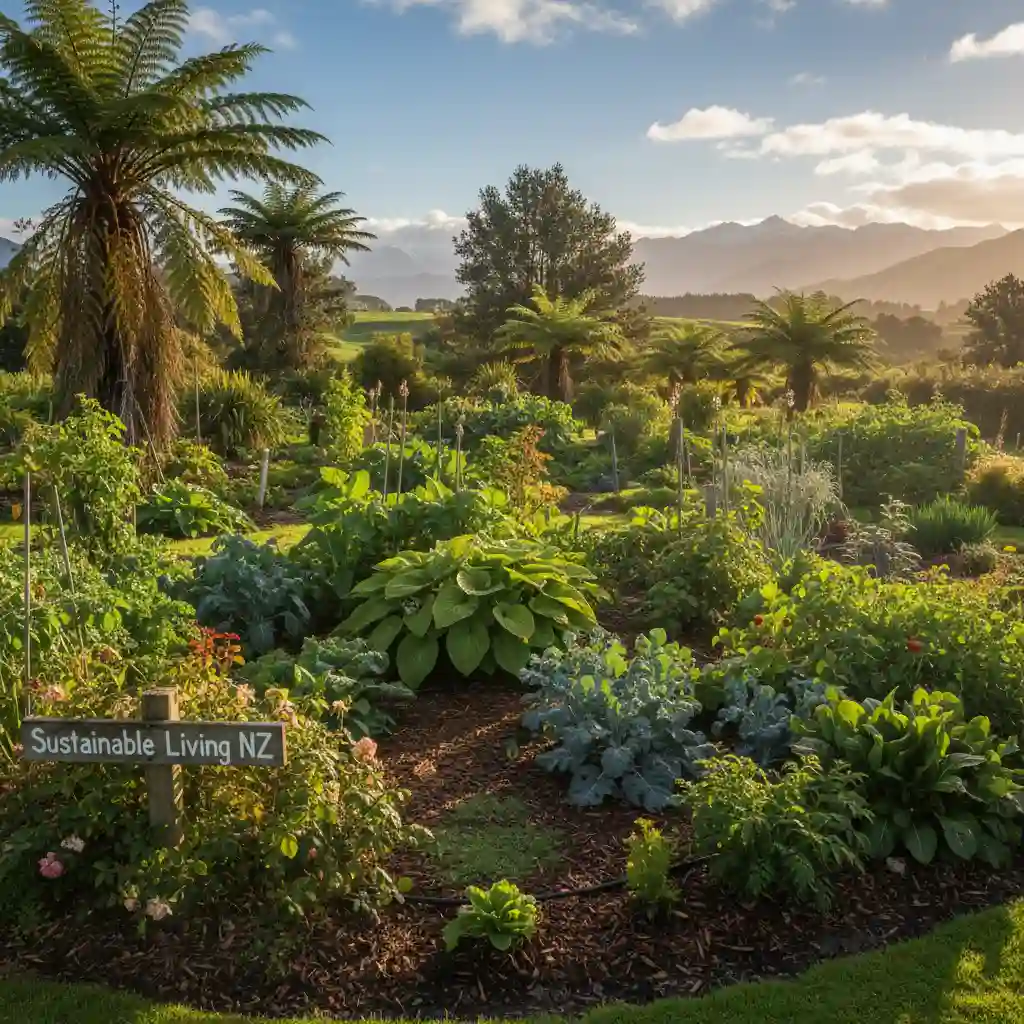
It’s crucial to understand that greywater is non-potable and should never be used for drinking, cooking, or bathing. Its primary application in most residential settings is for subsurface irrigation, directly feeding your garden’s roots.
Benefits for Water Conservation & Gardens
Implementing a greywater system in your New Zealand home offers a cascade of environmental and practical advantages, making it a powerful tool for sustainable living.
Key Advantages of Greywater Systems:
- Significant Water Savings: Reduces reliance on fresh potable water for non-potable uses.
- Garden Nourishment: Greywater, especially from biodegradable soaps, contains nutrients beneficial for plant growth.
- Reduced Strain on Infrastructure: Less wastewater entering septic tanks or municipal treatment plants.
- Drought Resilience: Provides an alternative water source during dry spells and water restrictions.
- Lower Water Bills: Direct financial savings from reduced mains water consumption.
Pros & Cons of Installing a Greywater System in NZ
Pros
- Eco-Friendly: Reduces fresh water demand by up to 50% for typical households.
- Cost Savings: Lower water utility bills, especially in regions with high water rates.
- Healthier Gardens: Provides consistent moisture and micronutrients to plants.
- Sustainability: Contributes to a more resilient, self-sufficient household.
- Reduced Wastewater Discharge: Less burden on wastewater treatment facilities.
Cons
- Initial Investment: Installation costs can be significant depending on system complexity.
- Maintenance: Requires regular cleaning of filters and proper system upkeep.
- Product Limitations: Careful selection of eco-friendly soaps and detergents is necessary.
- Regulatory Complexity: Navigating local council regulations can be challenging.
- Limited Uses: Not suitable for potable uses or irrigating root vegetables directly.
“A properly designed and maintained greywater system can reduce a household’s potable water consumption by a staggering 30-50%, providing substantial environmental and economic benefits for New Zealand homes.”
Installation Requirements & Regulations in NZ
Installing a greywater system in New Zealand isn’t a DIY project for most. It requires careful planning, adherence to specific regulations, and often the expertise of licensed professionals. The rules are primarily governed by the Building Act 2004 and enforced by local councils, which can have their own specific bylaws.
1. Understand NZ Regulations & Building Code
The first step is to consult your local council (e.g., Auckland Council, Wellington City Council, Christchurch City Council) regarding their specific requirements for greywater systems. Key documents include the Building Code (G13 Foul Water) and relevant Australian/New Zealand Standards (AS/NZS 1547:2012 On-site domestic wastewater management). These regulations ensure public health and environmental protection.
2. Site Assessment & System Design
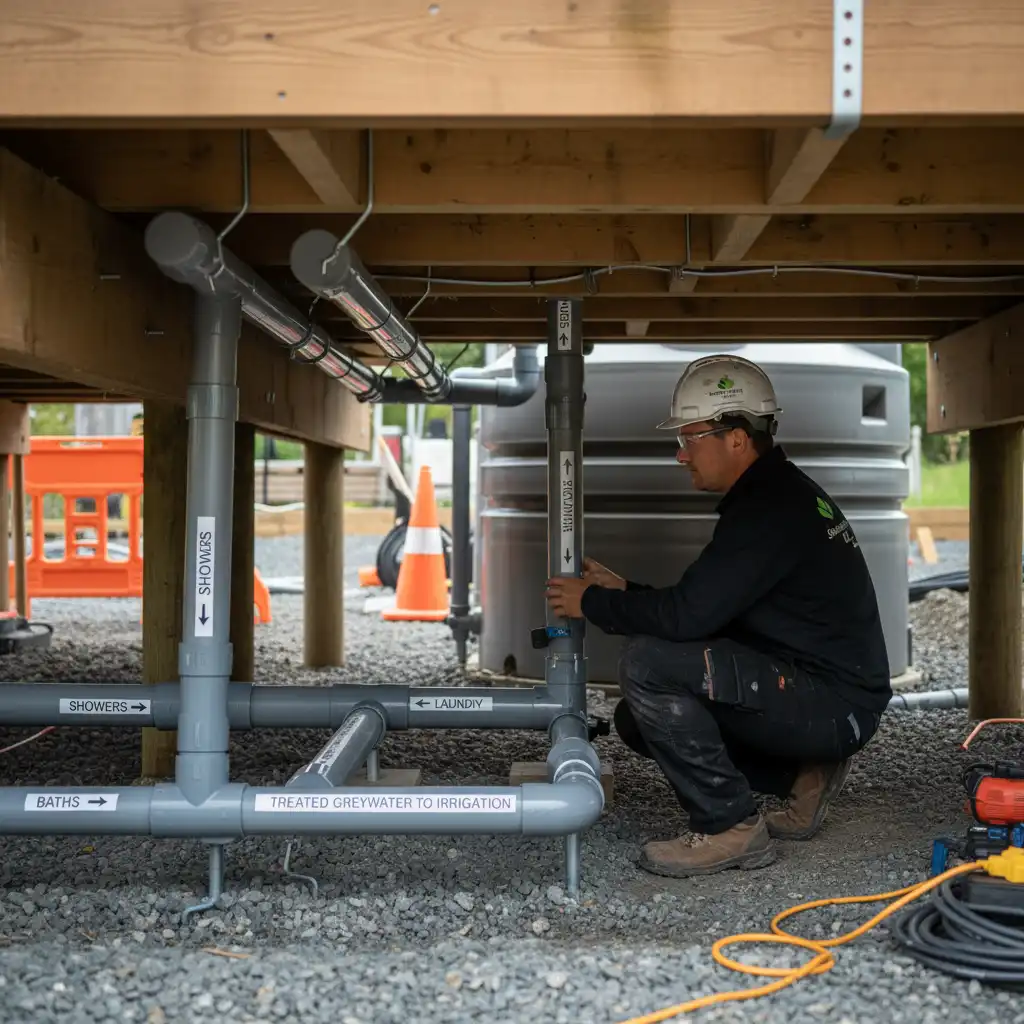
A qualified professional will assess your property’s soil type, topography, household water usage, and potential reuse areas. This informs the appropriate system design, which can range from simple diversion systems to more complex treated systems with storage tanks and pumps. Design must prevent cross-contamination with potable water.
3. Permit Application & Approval
Most greywater installations, particularly those involving plumbing modifications, require a building consent. Your professional designer/installer will help prepare the necessary plans and documentation for submission to your local council. This step is critical for legal compliance and can take time for approval.
4. Professional Installation & Commissioning
Engage licensed plumbers and drainlayers who are experienced with greywater systems. Correct installation ensures the system functions safely, efficiently, and in compliance with all regulations. Once installed, the system will be commissioned and inspected by the council.
5. Ongoing Maintenance & Monitoring
Regular maintenance, including cleaning filters and checking components, is essential for optimal performance and longevity. Adhere to guidelines regarding acceptable detergents and personal care products to prevent system blockages and protect your garden.
Potential Rebates for Greywater Systems
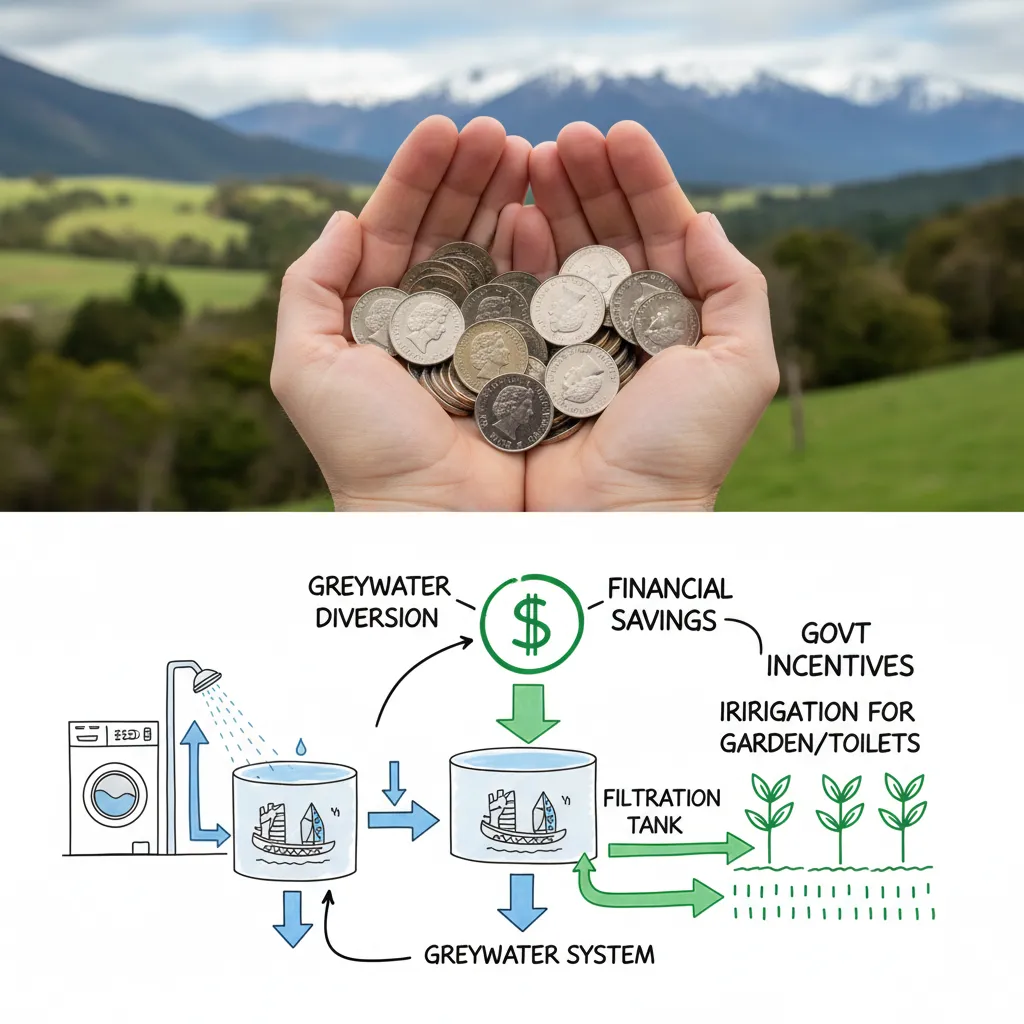
While New Zealand doesn’t currently have a nationwide greywater rebate programme, specific financial incentives can exist at the local council or regional level. These rebates are often part of broader sustainability initiatives aimed at water conservation and drought resilience.
To discover potential rebates:
- Check Your Local Council: Visit the websites of your city or district council (e.g., Auckland, Wellington, Christchurch, Tauranga, Hamilton, Dunedin) and search for ‘water conservation grants,’ ‘environmental funding,’ or ‘sustainable living rebates.’
- Regional Councils: Some regional councils may offer environmental grants that could indirectly support greywater installation.
- Water Utilities: In some areas, water utility providers might offer incentives for water-saving devices or systems.
- Community Trusts & Funds: Local community trusts or environmental funds occasionally provide grants for sustainable projects.
It’s advisable to enquire about potential rebates before purchasing or installing a system, as eligibility criteria and application processes can be stringent. Documentation of costs and professional installation are usually required.
Frequently Asked Questions About Greywater Systems in NZ
Is greywater safe to use in my garden?
Yes, when managed correctly. Greywater is generally safe for garden irrigation, particularly for ornamental plants, fruit trees, and lawns. It should be applied subsurface to avoid human contact and never used on edible root crops or where it might pool. Using biodegradable, low-sodium, and low-phosphorus soaps and detergents is crucial for plant and soil health.
What can I use greywater for in NZ?
In New Zealand, the primary approved uses for greywater are subsurface irrigation of gardens and lawns, and in some treated systems, for toilet flushing or laundry. It is strictly prohibited for drinking, cooking, bathing, or any other potable uses.
What kind of soaps and detergents can I use with a greywater system?
You should use biodegradable, phosphorus-free, sodium-free (or very low sodium), and boron-free products. Harsh chemicals like chlorine bleach, strong drain cleaners, or products with artificial dyes and fragrances should be avoided as they can harm plants and soil microbes. Look for ‘greywater safe’ labels.
How much does a greywater system cost to install in NZ?
The cost varies significantly based on the system’s complexity, the size of your household, and installation challenges. Simple diversion systems can start from a few hundred dollars for materials (if DIY is permitted by council), while advanced, professionally installed treatment systems with tanks and pumps can range from NZD $3,000 to over $10,000. Always get multiple quotes from qualified installers.
Do I need a permit for a greywater system in NZ?
In almost all cases, yes. Any modification to your plumbing or wastewater system in New Zealand typically requires a building consent from your local council. This ensures the system complies with the Building Act 2004 and local bylaws, protecting public health and the environment. Always check with your specific council before commencing any work.
References/Sources
- Ministry for the Environment. (n.d.). Water quality standards and guidelines. Retrieved from mfe.govt.nz
- Standards New Zealand. (2012). AS/NZS 1547:2012 On-site domestic wastewater management.
- Department of Building and Housing. (2004). Building Act 2004. New Zealand Government.
- Auckland Council. (n.d.). Watercare – Water Conservation. Retrieved from aucklandcouncil.govt.nz
- Enviro-Mark Solutions. (n.d.). Benefits of Water Conservation. Retrieved from enviro-mark.com