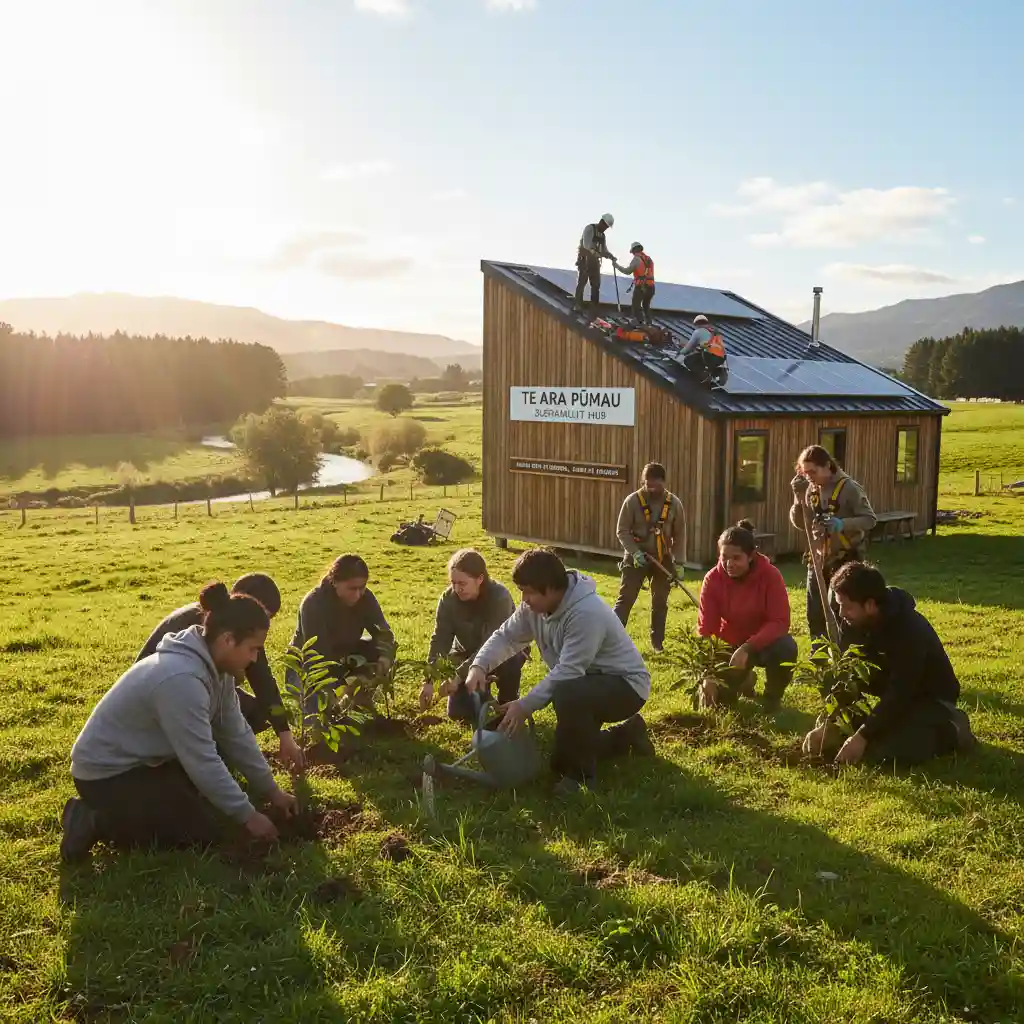
Explore Careers in Renewable Energy: Solar, Wind & More
Are you looking to make a meaningful impact while building a resilient career? New Zealand’s rapidly expanding renewable energy sector offers a diverse range of exciting opportunities. From innovative solar installations to powerful wind farms and cutting-edge geothermal projects, the possibilities are vast.
This comprehensive guide will help you navigate the landscape of green jobs, offering insights into various roles, required skills, and pathways to a fulfilling future in sustainable energy.
1. Why Choose a Career in Renewable Energy?
The shift towards sustainable energy sources isn’t just an environmental imperative; it’s a monumental economic opportunity. Pursuing a career in this sector means contributing to a healthier planet while securing a future in a rapidly expanding global industry.
Renewable energy jobs offer a sense of purpose, often involving innovative technologies and collaborative environments focused on real-world solutions. It’s a field brimming with potential for growth, learning, and making a tangible difference.
Stat Callout: The International Renewable Energy Agency (IRENA) projects global renewable energy jobs could reach 38 million by 2030, a significant increase from just over 12 million in 2021. New Zealand is a strong contributor to this growth, with ambitious targets for 100% renewable electricity.
2. The Diverse Landscape of Renewable Energy
The renewable energy sector is far from monolithic; it encompasses a variety of technologies, each with its unique demands and career paths. Understanding these distinctions is key to exploring the right fit for your skills and aspirations.
2.1 Solar Energy: Harnessing the Sun’s Power
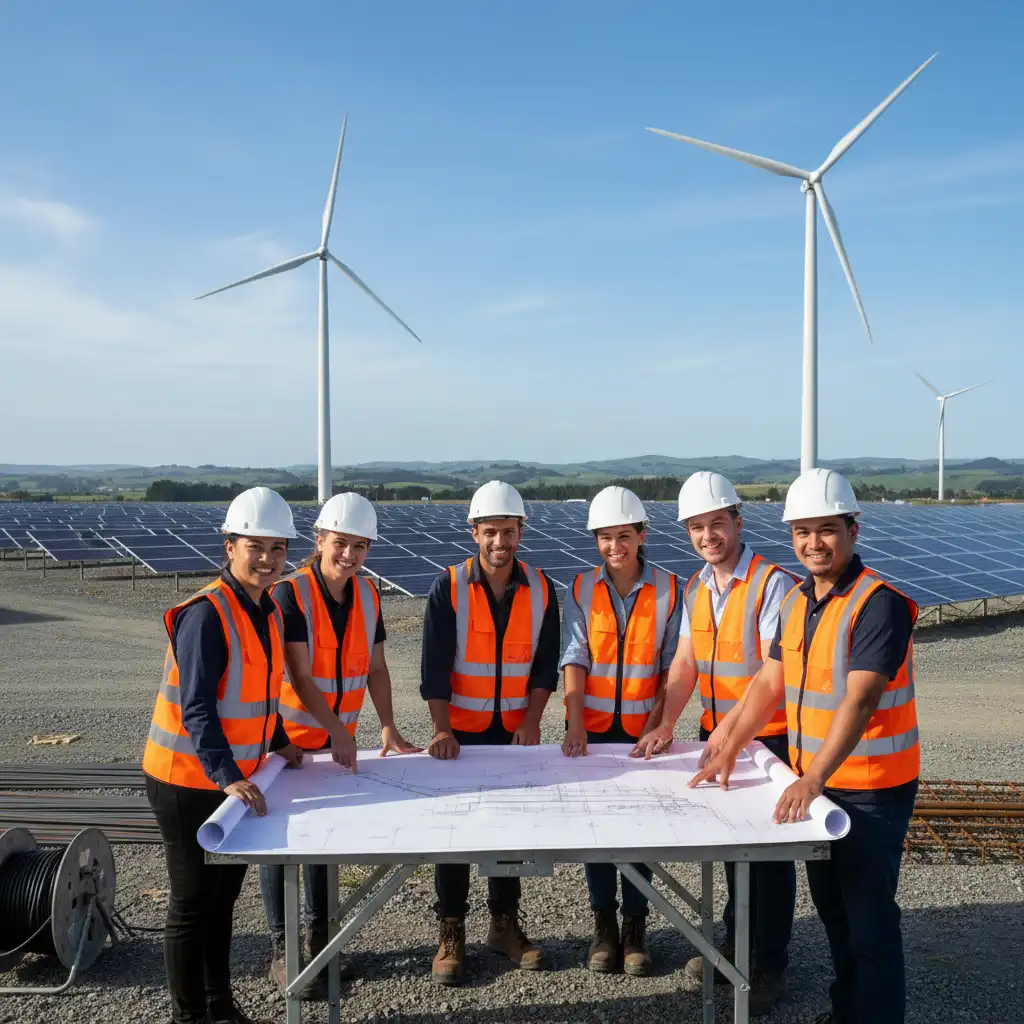
Solar energy, primarily through photovoltaic (PV) panels, is one of the fastest-growing renewable sources globally and in New Zealand. It’s becoming increasingly accessible for residential, commercial, and utility-scale applications.
- Roles: Solar PV Installers, Electrical Engineers, Sales Consultants, Project Developers, Maintenance Technicians, Researchers.
- Key Skills: Electrical knowledge, technical installation, customer service, project planning, understanding of solar physics.
2.2 Wind Energy: Power from the Air
Wind farms, both onshore and offshore, are crucial components of New Zealand’s energy mix, providing large-scale clean electricity. These impressive structures require sophisticated engineering and ongoing maintenance.
- Roles: Wind Turbine Technicians, Mechanical Engineers, Electrical Engineers, Civil Engineers, Site Managers, Environmental Assessors.
- Key Skills: Mechanical aptitude, electrical systems, hydraulics, safety protocols (working at heights), data analysis.
2.3 Hydroelectric Power: The Backbone of NZ’s Grid
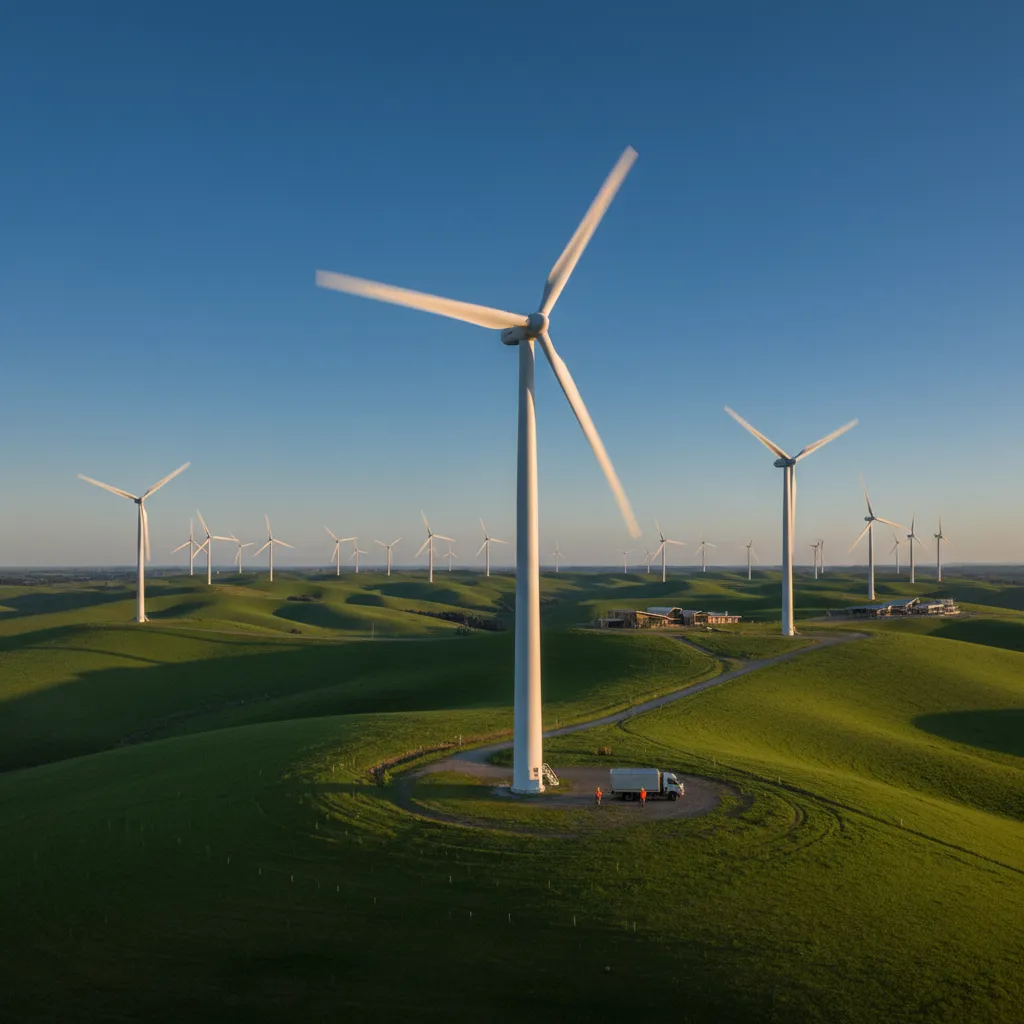
New Zealand has a long history of utilising hydroelectric power, which forms a significant portion of its renewable electricity generation. While large-scale construction may be less common, operational efficiency, upgrades, and maintenance are continuous.
- Roles: Hydropower Plant Operators, Civil Engineers, Mechanical Engineers, Electrical Engineers, Environmental Scientists.
- Key Skills: Water resource management, civil engineering principles, turbine operation, regulatory compliance.
2.4 Geothermal Energy: New Zealand’s Natural Advantage
Blessed with abundant geothermal resources, New Zealand is a world leader in this field. Geothermal plants harness heat from the earth’s core, offering a constant, reliable source of power.
- Roles: Geologists, Geothermal Engineers, Drilling Engineers, Plant Operators, Maintenance Technicians, Environmental Specialists.
- Key Skills: Earth sciences, thermodynamics, drilling operations, reservoir management, chemical engineering.
2.5 Emerging Technologies & Future Growth
The innovation doesn’t stop. Fields like bioenergy, tidal power, and green hydrogen production are on the horizon, promising new frontiers for research, development, and job creation in New Zealand.
3. Key Roles and Skills Across the Sector
Beyond the specific technologies, several overarching job categories are crucial to the success of the renewable energy industry. Many roles leverage transferable skills from other sectors.
3.1 Technical & Engineering Expertise
- Electrical Engineers: Design grid connections, power electronics, control systems for all renewable types.
- Mechanical Engineers: Work on turbine design, pump systems, heat exchangers, and structural integrity.
- Civil Engineers: Essential for site preparation, foundation design, and infrastructure for large-scale projects.
- Chemical Engineers: Crucial for bioenergy, geothermal fluid management, and green hydrogen production.
3.2 Installation & Maintenance Technicians
These are the hands-on heroes who build, inspect, and repair renewable energy systems. This category includes solar installers, wind turbine technicians, and plant operators. Strong practical skills, problem-solving abilities, and a commitment to safety are paramount.

3.3 Project Management & Development
Bringing a renewable energy project from concept to completion requires skilled project managers who can coordinate teams, manage budgets, navigate regulations, and ensure timely delivery. Developers identify suitable sites, secure funding, and handle community engagement.
3.4 Research & Development
Scientists and researchers are constantly pushing the boundaries of what’s possible, improving efficiency, reducing costs, and discovering new ways to harness clean energy. This includes materials scientists, data scientists, and climate modelers.
3.5 Sales, Marketing, Policy & Support Roles
The sector also needs professionals in sales, marketing, human resources, finance, legal, and policy development. These roles ensure that renewable energy solutions reach consumers, businesses thrive, and supportive regulatory frameworks are in place.
4. Pathways into Renewable Energy Careers in New Zealand
Whether you’re a recent graduate or looking for a career change, there are multiple avenues to enter New Zealand’s renewable energy sector.
- Tertiary Education: Universities and polytechnics offer degrees in engineering (electrical, mechanical, civil, chemical), environmental science, and sustainable energy management.
- Vocational Training & Apprenticeships: Gain hands-on experience through specific trade qualifications for solar installers, electricians, or wind turbine technicians. Look for programmes from providers like Unitec, Ara Institute, or private training organisations.
- Transferable Skills: Many roles value experience from construction, manufacturing, IT, logistics, and traditional energy sectors. Your existing skills might be more relevant than you think!
- Networking: Attend industry events, join professional associations (e.g., Sustainable Electricity Association NZ – SEANZ, Infrastructure NZ), and connect with professionals on platforms like LinkedIn.
- Internships & Entry-Level Roles: Seek out opportunities to get your foot in the door and gain practical experience.
5. The Future is Bright: Growth & Innovation
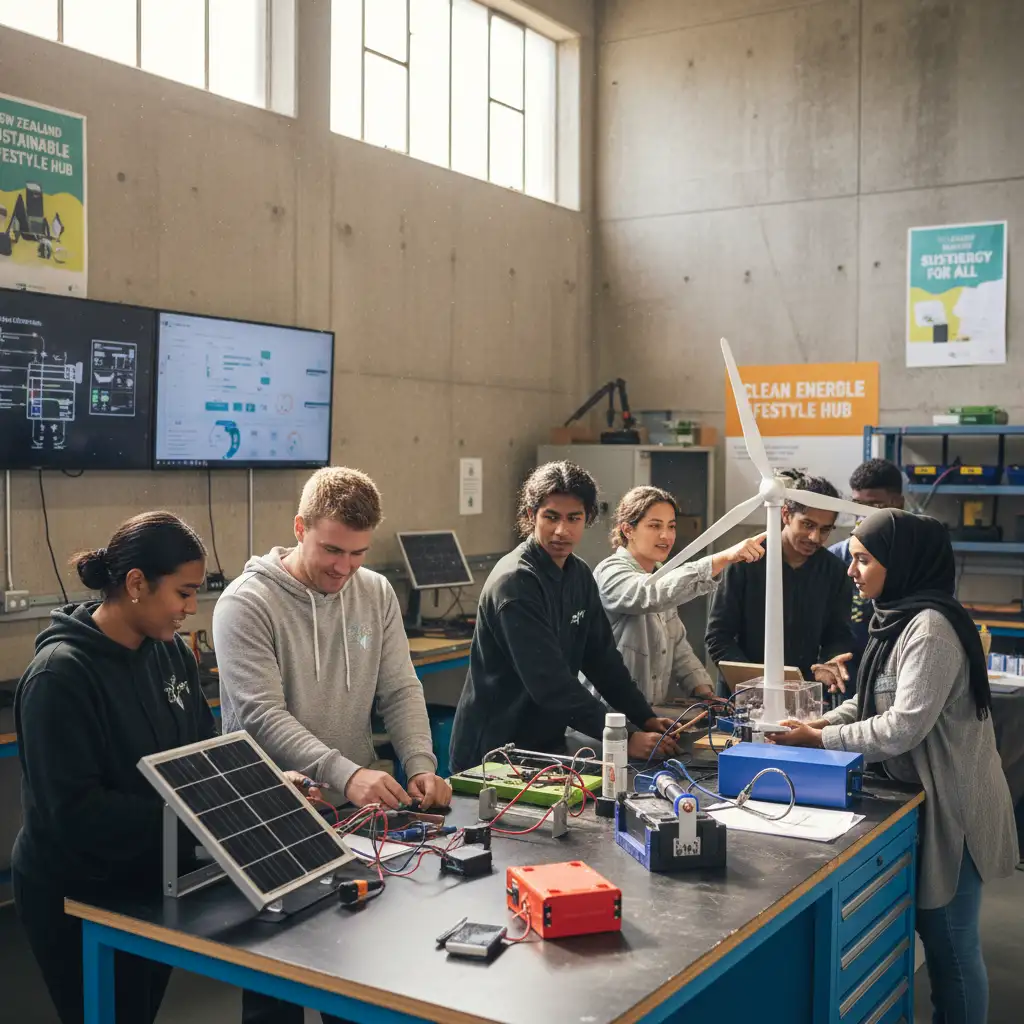
New Zealand is committed to a target of 100% renewable electricity by 2030, and achieving this goal will necessitate continued investment and job creation across the sector. This creates a stable and growing environment for those looking to build a career in green energy.
The drive for energy independence, coupled with the urgent need to address climate change, ensures that careers in renewable energy will remain vital and highly sought after for decades to come. By choosing to explore careers in renewable energy, you’re not just choosing a job; you’re choosing to be part of the solution for a more sustainable New Zealand and a greener world.
Frequently Asked Questions (FAQ)
What types of careers are available in renewable energy in New Zealand?
New Zealand’s renewable energy sector offers a wide range of careers including engineers (electrical, mechanical, civil, geothermal), solar installers, wind turbine technicians, project managers, environmental scientists, sales and marketing professionals, and researchers. Opportunities span solar, wind, hydro, and geothermal energy.
Do I need a specific degree to work in renewable energy?
While many roles, especially in engineering and R&D, benefit from specific degrees (e.g., engineering, environmental science), practical roles like installers and technicians can be accessed through vocational training, diplomas, and apprenticeships. Transferable skills from other industries are also highly valued.
What is the job outlook for renewable energy careers in New Zealand?
The job outlook is very positive. New Zealand has ambitious goals to achieve 100% renewable electricity by 2030, driving significant investment and job creation in the sector. Global trends also indicate sustained growth, making it a stable and expanding field for long-term careers.
Where can I find renewable energy job opportunities in New Zealand?
Job opportunities can be found on major job boards (Seek, Trade Me Jobs), company websites of leading renewable energy firms (e.g., Meridian Energy, Genesis Energy, Trustpower), industry associations (e.g., SEANZ), and professional networking sites like LinkedIn. Attending industry events can also provide leads.
References & Sources
- International Renewable Energy Agency (IRENA). (2022). Renewable Energy and Jobs – Annual Review 2022. Retrieved from irena.org
- Ministry of Business, Innovation & Employment (MBIE). (Annual Reports). Energy in New Zealand. Retrieved from mbie.govt.nz
- Sustainable Electricity Association New Zealand (SEANZ). (Various publications). Retrieved from seanz.org.nz
- Transpower New Zealand. (Annual Reports & Grid Development Plans). Retrieved from transpower.co.nz