Sustainable Transport & EV Adoption in New Zealand: Paving the Way for a Greener Aotearoa
Aotearoa New Zealand, with its stunning landscapes and unique biodiversity, has a vital role to play in the global shift towards sustainability. One of the most impactful areas where we can make a difference is in how we move. Embracing sustainable transport NZ isn’t just an environmental choice; it’s an investment in our collective future, promising cleaner air, healthier communities, and a more resilient economy.
From the growing wave of electric vehicle (EV) adoption to revitalised public transport networks and the simple joy of active commuting, there’s a wealth of options for every Kiwi looking to reduce their carbon footprint. This comprehensive guide will explore the compelling reasons behind this transformation, delve into practical solutions, and look at the exciting future of green transportation across New Zealand.
Table of Contents
Why Choose Sustainable Transport in NZ?
New Zealand’s commitment to a low-carbon future is growing, and reducing transport emissions is paramount. Our individual choices about how we travel collectively shape our environment, economy, and health. Opting for sustainable transport NZ options offers multifaceted benefits that extend far beyond simply getting from A to B.
Environmental Imperative
Transport is one of New Zealand’s largest sources of greenhouse gas emissions. By choosing sustainable modes, we directly contribute to combating climate change, reducing air pollution, and preserving our natural environment. This means cleaner air for everyone and a healthier ecosystem for our unique flora and fauna.
Economic Benefits
Beyond the environment, sustainable transport often translates to significant cost savings. Reduced fuel consumption, lower maintenance for EVs, and even zero costs for walking and cycling can free up household budgets. At a national level, it lessens our reliance on imported fossil fuels and supports a greener economy.
“Every journey taken sustainably contributes to a stronger, healthier, and more economically resilient New Zealand.”
Improved Well-being
Active modes of transport like walking and cycling boost physical and mental health. Less traffic congestion means less stress and more pleasant urban environments. Cleaner air leads to fewer respiratory issues, creating healthier communities for all New Zealanders.

Benefits of Electric Vehicles (EVs)
Electric Vehicles are rapidly becoming a cornerstone of sustainable transport NZ. With a rapidly expanding charging infrastructure and an increasing range of models, EVs offer a compelling alternative to traditional petrol and diesel cars.
Lower Running Costs
EVs are significantly cheaper to fuel, especially when charged at home during off-peak hours. Electricity costs per kilometre are substantially lower than petrol or diesel. Furthermore, EVs typically have fewer moving parts, leading to reduced maintenance needs and costs over their lifespan.
Reduced Emissions
Given New Zealand’s high proportion of renewable electricity generation (over 80% and growing), driving an EV dramatically reduces your tailpipe emissions. This directly contributes to cleaner air in our cities and a lower national carbon footprint.
Driving Experience & Innovation
EVs offer a quiet, smooth, and powerful driving experience with instant torque. They are at the forefront of automotive innovation, often featuring advanced safety systems, connectivity, and smart charging capabilities, making them an exciting choice for the modern driver.
Did You Know?
Over 80% of New Zealand’s electricity comes from renewable sources like hydro, geothermal, and wind. This means charging an EV in NZ is one of the cleanest ways to power your vehicle globally, significantly reducing its lifecycle emissions.

Public Transport & Active Commuting Options
While EVs transform personal vehicle travel, shifting to public transport and active commuting remains a cornerstone of truly sustainable transport NZ urban planning and individual habits. These options offer significant benefits for both people and the planet.
Embracing Public Transport
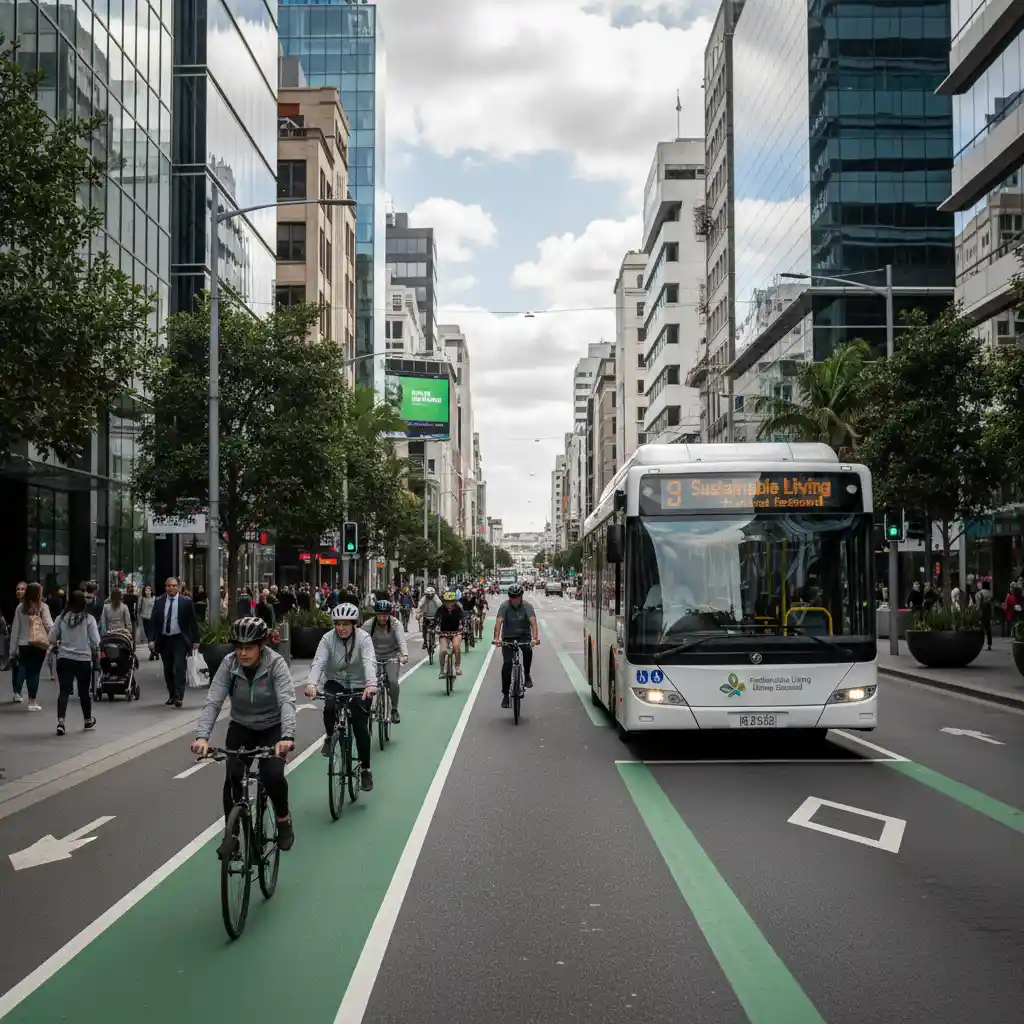
Buses, trains, and ferries are highly efficient modes of transport, moving large numbers of people with a much smaller environmental footprint per person compared to individual cars. Utilising public transport reduces traffic congestion, parking demand, and overall emissions in our cities. Major cities like Auckland and Wellington are continually investing in improving and expanding their networks.
The Power of Walking & Cycling
For shorter journeys, walking and cycling are arguably the most sustainable and beneficial options. They produce zero emissions, reduce traffic, and offer excellent health benefits. Local councils across New Zealand are increasingly developing dedicated cycleways and pedestrian-friendly infrastructure to encourage these active modes.
Reducing Your Carbon Footprint on the Road
Even if an immediate switch to an EV or full reliance on public transport isn’t feasible, there are many ways to embrace sustainable transport NZ principles and reduce your road-based carbon footprint today.
Mindful Driving Habits
Aggressive driving, rapid acceleration, and harsh braking consume more fuel. Practicing smooth, consistent driving, maintaining proper tyre pressure, and avoiding excessive idling can significantly improve fuel efficiency and reduce emissions for any vehicle.
Choosing the Right Vehicle
When it’s time to purchase a new vehicle, consider its fuel efficiency ratings, size, and purpose. Smaller, more efficient vehicles or hybrids can make a big difference if an EV is not yet an option.
Optimizing Journeys
Plan your routes to avoid congestion, combine multiple errands into one trip, or consider carpooling. Even simple changes can collectively lead to substantial reductions in vehicle kilometres travelled and associated emissions.
Impact Highlight:
Road transport currently accounts for approximately 17% of New Zealand’s total greenhouse gas emissions. Shifting to sustainable transport choices is crucial for meeting our national climate targets.
Future of Green Transportation in Aotearoa
The trajectory for sustainable transport NZ is clear: a future where mobility is cleaner, more efficient, and accessible to all. Aotearoa is actively working towards this vision through various initiatives and innovations.
Government Initiatives & Policy
The New Zealand government has implemented policies such as the Clean Car Discount (previously) and investments in EV charging infrastructure, cycling networks, and public transport upgrades. These initiatives aim to accelerate the transition away from fossil fuel dependence.
Technological Advancements
Beyond passenger EVs, we’re seeing innovations in electric ferries, hydrogen fuel cell vehicles for heavy transport, and smart mobility solutions that integrate various transport modes seamlessly. These advancements promise an even greener and more connected transport system.
Community-Led Solutions
From local bike-share schemes to community carpooling apps and advocacy groups promoting better infrastructure, grassroots efforts play a vital role. These local initiatives empower communities to shape their own sustainable transport futures.

Looking Ahead:
New Zealand aims to achieve net-zero carbon emissions by 2050, with significant cuts required across all sectors, especially transport. Widespread adoption of sustainable transport is critical to reaching this national goal.
Conclusion: Driving Change for a Sustainable Aotearoa
The journey towards sustainable transport NZ is a collective one. Whether it’s opting for an electric vehicle, choosing public transport, or simply walking and cycling more often, every decision contributes to a healthier environment, a more robust economy, and a better quality of life for all New Zealanders. By embracing these greener alternatives, we are not just moving ourselves; we are moving our nation closer to a truly sustainable future.
Frequently Asked Questions about Sustainable Transport in NZ
What is sustainable transport?
Sustainable transport refers to modes of travel that have a low impact on the environment, promote social equity, and are economically viable. This includes electric vehicles, public transport, walking, cycling, and carpooling, all aimed at reducing greenhouse gas emissions and pollution.
Why is EV adoption important for New Zealand?
EV adoption is crucial for New Zealand because transport is a major contributor to our national emissions. Given NZ’s high proportion of renewable electricity, driving an EV significantly reduces tailpipe emissions, helping the country meet its climate change targets and reducing dependence on imported fossil fuels.
Are there incentives for buying EVs in NZ?
Historically, New Zealand has offered incentives like the Clean Car Discount. While specific policies can change, the government consistently explores ways to encourage EV uptake, alongside investments in charging infrastructure and related services. It’s best to check official NZ Transport Agency (Waka Kotahi) resources for the latest information.
How can I reduce my transport carbon footprint without buying an EV?
Many ways! You can use public transport more often, walk or cycle for short distances, carpool, practice eco-driving techniques (smooth acceleration, proper tyre pressure), and consider a more fuel-efficient or hybrid vehicle when replacing your car.
What is the future of public transport in NZ?
New Zealand is committed to enhancing public transport. This includes upgrading existing networks, expanding services, transitioning to electric buses and ferries, and integrating smart technology to make public transport more convenient and efficient as a key part of the sustainable transport NZ strategy.
References & Sources
- Ministry of Business, Innovation & Employment (MBIE) – New Zealand Energy Strategy
- Ministry for the Environment (MfE) – New Zealand’s Greenhouse Gas Inventory
- Waka Kotahi NZ Transport Agency – Benefits of Electric Vehicles
- Energy Efficiency and Conservation Authority (EECA) – Transport in NZ
- Climate Change Commission – Emissions Reduction Plan for Aotearoa