Government Incentives for Solar Power in New Zealand
Unlocking cleaner energy: Your guide to solar power grants NZ and support schemes.

Transitioning to solar power is a smart move for your wallet and the planet. In New Zealand, a nation committed to a sustainable future, many homeowners and businesses are eager to harness the abundant sunshine. While the term “solar power grants NZ” might conjure images of direct cash handouts, the reality of government support is often more nuanced, focusing on a blend of regional initiatives, energy-saving schemes, and buy-back programmes.
This comprehensive guide will demystify the landscape of solar incentives, helping you navigate the options available and make an informed decision about investing in a cleaner energy future for your home or business.
Table of Contents
Current NZ Solar Incentives & Rebates
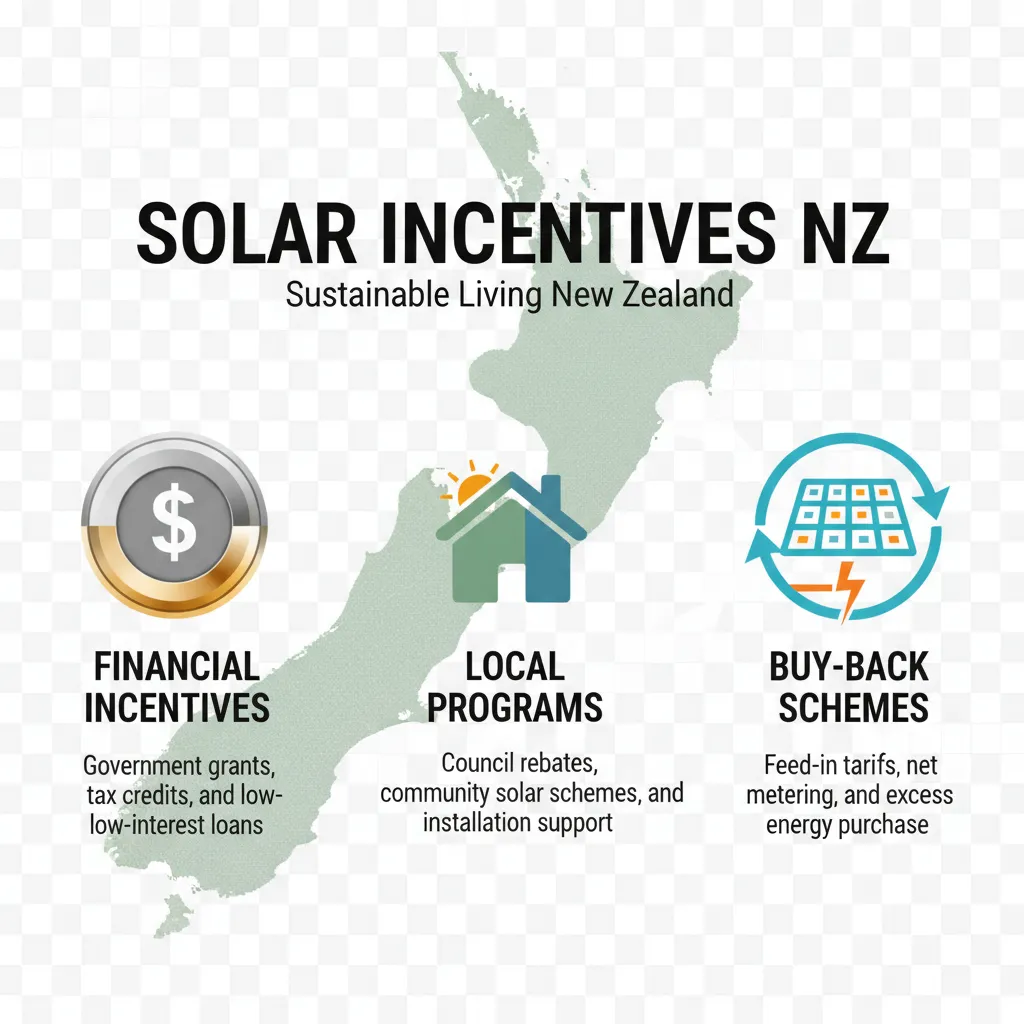
Unlike some countries with broad national direct solar power grants NZ, New Zealand’s approach to encouraging solar adoption primarily involves indirect support, local initiatives, and attractive electricity buy-back schemes. While a nationwide grant for residential solar PV systems isn’t currently in place, several avenues can significantly reduce the net cost and improve the return on investment for solar installation.
1. Grid-Tied Solar and Net Metering (Buy-Back Schemes)
This is perhaps the most significant ongoing incentive. When your solar panels generate more electricity than your home consumes, the excess power is fed back into the national grid. Your electricity retailer then credits you for this exported energy. This “net metering” or “buy-back” system effectively turns your roof into a micro-power plant, offsetting your electricity bills and providing a tangible return on your investment.
“New Zealand’s strong commitment to renewable energy makes solar a compelling choice, with net metering providing a clear financial benefit for homeowners feeding excess power back into the grid.” – Energy Efficiency and Conservation Authority (EECA)
2. Warmer Kiwi Homes Programme (Indirect Support)
While not a direct solar power grant NZ, the Warmer Kiwi Homes programme, administered by EECA, offers grants for insulation and heating. By improving your home’s overall energy efficiency, you reduce your total energy demand, meaning a smaller, less expensive solar system can meet a greater proportion of your needs. This frees up capital that could then be allocated to solar installation.
3. Loans for Energy Efficiency Upgrades
Several banks and financial institutions, often in partnership with local councils, offer low-interest loans specifically for home energy efficiency improvements, which can include solar PV systems. These loans can make the upfront cost of solar more manageable, spreading the investment over several years.
Regional vs. National Programs
Understanding the distinction between national and regional support is crucial when searching for solar power grants NZ.
National Landscape: Focus on Enabling, Not Direct Grants
As mentioned, direct national grants for residential solar are uncommon. Instead, national policy focuses on creating an environment that supports renewable energy through:
- Regulatory Frameworks: Ensuring smooth grid connection for solar systems.
- Energy Market Design: Facilitating competitive buy-back rates from retailers.
- Information & Guidance: EECA provides resources and advice on energy efficiency, which includes solar.
Regional & Local Initiatives: Where Grants and Loans Shine
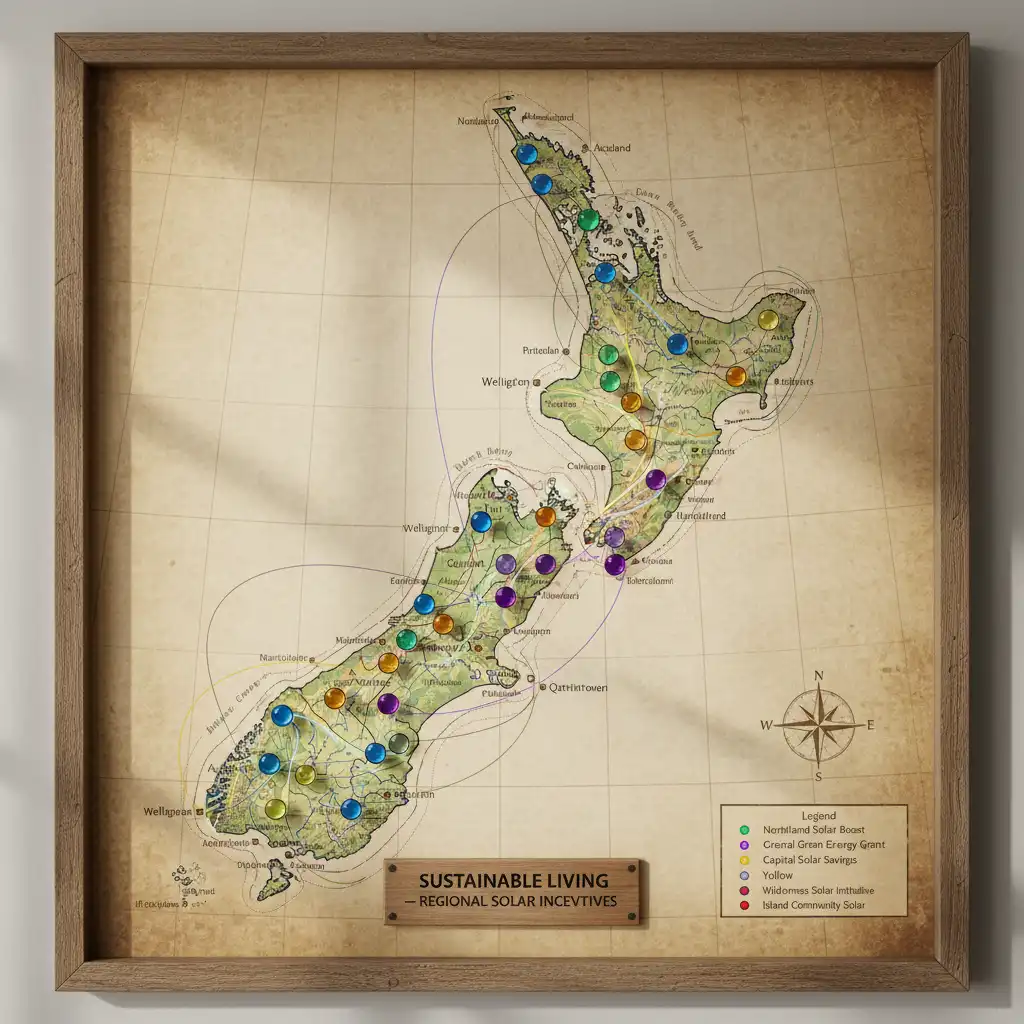
Many of the more direct financial supports for solar come from local councils or specific energy providers. These are often structured as targeted loans rather than outright grants, designed to be repaid via rates or electricity bills.
- Council-Led Programmes: Schemes like Auckland’s Retrofit Your Home, Nelson City Council’s Home Energy Upgrade Loan, and similar initiatives in other regions (e.g., Kāpiti Coast, Greater Wellington) allow homeowners to finance solar installations through their property rates. The council pays the upfront cost, and you repay it over time, often interest-free or at very low interest, attached to your rates bill.
- Power Company Incentives: Some electricity retailers offer specific solar packages, competitive buy-back rates, or even interest-free finance options for solar PV systems to their customers. It’s always worth checking with your current or prospective power company.
How to Apply for Solar Support
Navigating the application process for solar power grants NZ and support schemes requires a systematic approach. Follow these steps to maximise your chances of securing assistance:
1. Assess Your Home’s Solar Potential & Energy Needs
Before anything else, understand your current electricity consumption and evaluate your property for solar suitability. Consider roof orientation, shading, and available space. A good installer can help with this assessment.
2. Research Local Council & Energy Retailer Schemes
This is where the legwork pays off. Visit your local council’s website to check for any rates-funded energy upgrade schemes that include solar. Simultaneously, investigate what your current or potential electricity retailers offer in terms of solar financing or competitive buy-back rates.
3. Obtain Multiple Quotes from Certified Installers
Contact at least three reputable, certified solar installers. Ensure they are Clean Energy Council (CEC) accredited or similar. They can provide tailored advice, system design, and costings. Discuss potential financing options they might offer or recommend.
4. Understand the Financials: ROI & Payback Period
Carefully review the quotes and understand the long-term financial benefits. Calculate the estimated return on investment (ROI) and payback period, factoring in any regional loans or buy-back rates. Don’t just look at the upfront cost; consider the lifetime savings.
5. Complete Applications & Arrange Installation
Once you’ve chosen an installer and financing option, complete all necessary application forms for council loans or retailer schemes. Your chosen installer will typically handle the necessary permits and arrange for the safe and compliant installation of your solar PV system.
✔️ Solar Application Action Checklist:
- ✓ Energy Audit: Understand your consumption.
- ✓ Roof Assessment: Confirm solar suitability.
- ✓ Council Website Check: Look for rates-based schemes.
- ✓ Retailer Inquiry: Ask about solar packages & buy-back rates.
- ✓ Get 3+ Quotes: From certified, reputable installers.
- ✓ Compare Financials: Beyond upfront cost, consider ROI.
- ✓ Confirm Permits: Ensure your installer handles all necessary approvals.
Future of Solar Incentives in NZ
New Zealand is deeply committed to its climate change goals, aiming for 100% renewable electricity by 2030 and net-zero emissions by 2050. These ambitious targets strongly suggest a continued, and likely expanded, role for solar energy in the nation’s power mix.

While the exact form of future solar power grants NZ or incentives remains to be seen, several trends point towards enhanced support for solar:
- Increased Government Focus: As the 2030 renewable electricity target approaches, there may be increased pressure to introduce more direct incentives to accelerate solar adoption, particularly for residential and small-to-medium enterprises.
- Technology Advancements: The cost of solar technology continues to fall, and battery storage solutions are becoming more affordable, making solar an increasingly attractive proposition even without direct grants. This natural market evolution is a powerful incentive in itself.
- Evolution of Local Schemes: Expect local council and regional energy agency schemes to continue evolving, potentially offering more generous terms or expanding to cover more regions.
- Community Solar Initiatives: We may see a rise in community-led solar projects, supported by enabling legislation or funding mechanisms.
“New Zealand’s renewable energy journey is dynamic. Expect policies and incentives to adapt, supporting solar as a key player in our clean energy future.” – Ministry for Business, Innovation & Employment (MBIE)
Staying informed about policy changes and local initiatives will be key for anyone considering solar in the coming years.
Frequently Asked Questions (FAQ)
Are there direct solar power grants available in NZ for homeowners?
Currently, there are no widespread national direct solar power grants NZ specifically for residential solar panel installation. However, various regional council-led loan schemes (often rates-based) and electricity retailer incentives (like competitive buy-back rates or finance options) effectively reduce the net cost and improve the financial viability of solar for homeowners.
How do rates-funded solar loan schemes work?
Rates-funded solar loan schemes, offered by some local councils in NZ, allow you to finance the upfront cost of your solar system through a loan attached to your property’s rates. The council pays the installer directly, and you repay the loan over a period (e.g., 9-10 years), usually at a low or zero-interest rate, as part of your regular rates payments. This makes solar more accessible by removing the large initial capital outlay.
What is net metering and how does it benefit solar owners in New Zealand?
Net metering, or a buy-back scheme, is a system where your electricity retailer credits you for any surplus solar electricity your panels generate and export back to the national grid. This credit then offsets the cost of electricity you draw from the grid at other times (e.g., at night). It significantly reduces your overall electricity bill, providing a continuous financial incentive for solar power generation.
Is solar power a good investment in NZ, even without direct grants?
Yes, absolutely. Despite the lack of national direct solar power grants NZ, solar remains a strong investment due to declining installation costs, significant savings on electricity bills, increasing buy-back rates, and the long-term environmental benefits. Many regional financing options further enhance its accessibility and return on investment, typically with a payback period of 7-12 years.
How can I find out if my local council offers solar incentives?
References & Sources
- Energy Efficiency and Conservation Authority (EECA) – Official source for energy efficiency information and programmes in NZ.
- Auckland Council – Retrofit Your Home Programme
- Nelson City Council – Home Energy Upgrade Loan
- Ministry of Business, Innovation & Employment (MBIE) – For energy policy and market information.
- Solar Association of New Zealand (Solar NZ) – Industry insights and statistics.
- Ministry for the Environment – For climate change targets and environmental policy.