Warmer Kiwi Homes Grant: Eligibility & Application Guide
Unlock a warmer, healthier home with New Zealand’s leading insulation and heating grant. Discover if you qualify and how to apply today!

In New Zealand, a warm, dry home isn’t just a comfort; it’s a foundation for good health and well-being. The Warmer Kiwi Homes Grant, funded by the New Zealand government and administered by EECA (Energy Efficiency and Conservation Authority), is a crucial initiative designed to help homeowners create exactly that. If you’re looking to improve your home’s insulation or install efficient heating, understanding the warmer kiwi homes grant eligibility criteria and the application process is your first step towards a more sustainable and comfortable living space.
This comprehensive guide will walk you through everything you need to know, from who qualifies to a step-by-step application, ensuring you have all the information to make your home warmer and healthier.
Table of Contents
Who Qualifies for Warmer Kiwi Homes?
Understanding the warmer kiwi homes grant eligibility is paramount before you begin the application process. The grant aims to assist low-income homeowners and those in vulnerable situations. Here’s a breakdown of the key criteria:
Income Criteria
- Community Services Card: If you or someone living at your address has a valid Community Services Card, you automatically meet the income criteria.
- Low-Income Area: Your home is located in an area identified as low-income (a ‘deprivation 9 or 10’ area on the NZ Deprivation Index). You can check your address on the EECA website.
- Specific Health Conditions: If you or someone residing permanently at your address has a health condition related to cold, damp housing (e.g., chronic respiratory illness), and a medical certificate confirms this, you may qualify.
Home Ownership & Location
- You must be the owner-occupier of the home.
- The property must be your primary residence.
- The home must be located within a Warmer Kiwi Homes funding area. Most of New Zealand is covered, but it’s always good to verify your address with an approved service provider or EECA.
Existing Insulation Requirements
The grant is primarily for homes with inadequate insulation. To be eligible for insulation grants:
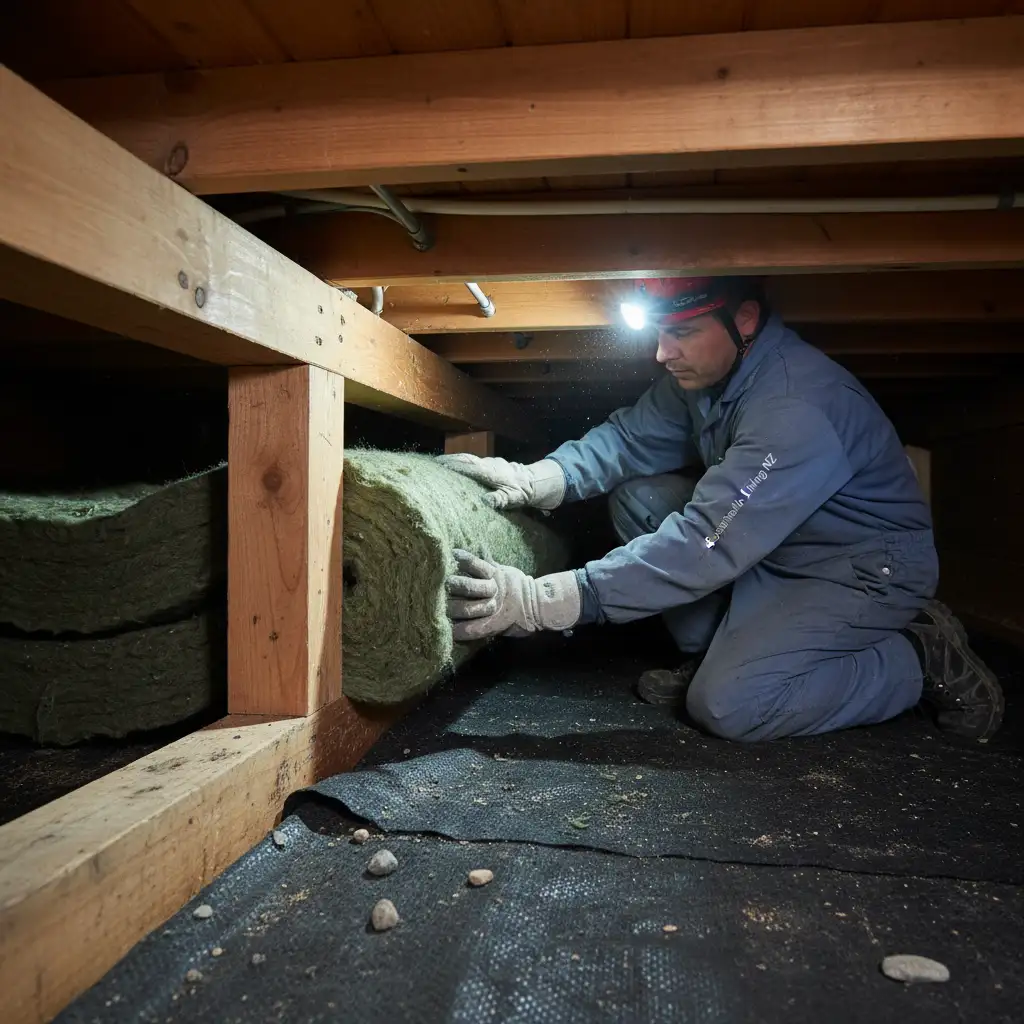
- Your home must have minimal or no existing ceiling or underfloor insulation.
- Homes built after 2000 are generally considered to have adequate insulation, but exceptions can apply if an assessment reveals deficiencies.
- For heating grants, your home must already meet current insulation standards (or have insulation installed as part of the grant).
“Improving your home’s energy efficiency with proper insulation and heating not only makes it more comfortable but also significantly reduces your carbon footprint, contributing to New Zealand’s sustainability goals.”
Step-by-Step Application Guide
Applying for the Warmer Kiwi Homes Grant is a straightforward process when you know the steps. Follow this guide to navigate your application successfully:
Step 1: Verify Your Eligibility
- First, use the EECA eligibility checker or contact an approved Warmer Kiwi Homes service provider. They can quickly confirm if your address and personal circumstances meet the criteria for warmer kiwi homes grant eligibility.
- Gather any necessary proof of eligibility, such as your Community Services Card.
Step 2: Find an Approved Provider
- The Warmer Kiwi Homes grant is not paid directly to you. Instead, an EECA-approved insulation or heating provider applies for the grant on your behalf.
- Visit the EECA website for a list of approved providers in your region. Contact a few for comparative quotes.
Step 3: Get a Quote and Book an Assessment
- An approved provider will visit your home to conduct a free assessment. They will determine the best insulation or heating solutions for your property and provide a detailed quote.
- This quote will show the total cost and the grant amount, clearly indicating your remaining contribution (if any).
Step 4: Arrange Installation & Grant Claim
- Once you accept a quote, the provider will schedule the installation.
- After the work is completed to the required standards, the provider will claim the grant directly from EECA, deducting it from your total bill.

Required Documentation
Having your documents ready can significantly speed up the application process. While your chosen provider will guide you, it’s good to be prepared with:
- Proof of Ownership: This could be a rates notice, a recent utility bill in your name at the property address, or a copy of your Record of Title.
- Proof of Identity: A New Zealand driver’s license or passport.
- Proof of Eligibility (Income/Health):
- Your Community Services Card (physical card or letter).
- A letter or printout confirming your address is in a deprivation 9 or 10 area (your provider can help with this).
- A medical certificate from your GP detailing the cold/damp-related health condition (if applicable).
- Permission to Access: If you’re not the sole owner, you might need written consent from other owners.

Tips for a Successful Application
To ensure your Warmer Kiwi Homes grant application goes smoothly, consider these expert tips:
- Be Proactive: Don’t wait until winter hits to apply. Grants are often subject to funding availability.
- Compare Providers: While the grant amount is fixed, installation costs can vary. Get quotes from 2-3 approved providers to ensure you get the best value for your co-payment.
- Ask Questions: Don’t hesitate to ask your chosen provider about the insulation materials, installation process, warranties, and any follow-up care.
- Ensure Documentation is Current: Make sure all your proof of eligibility and identity documents are valid and up-to-date.
- Understand Your Contributions: Be clear about any co-payment required. The grant covers a significant portion (up to 80% for insulation, and a fixed amount for heating), but you may still have an out-of-pocket expense.
Your Pre-Application Checklist
- Confirmed Warmer Kiwi Homes Grant eligibility for your address and household.
- Have all required documentation ready and easily accessible.
- Identified several EECA-approved insulation and heating providers in your area.
- Ready to schedule a home assessment and obtain competitive quotes.
Frequently Asked Questions
What does the Warmer Kiwi Homes grant cover?
The grant covers 80% of the cost of ceiling and underfloor insulation (up to a capped amount) and 80% of the cost of an approved efficient heating device (like a heat pump or wood burner, also up to a capped amount). In some instances, the grant may cover 100% of the cost for insulation in certain regions/circumstances.
Can I choose my own installer?
No, you must use an insulation and heating provider that has been approved by EECA for the Warmer Kiwi Homes programme. These providers are trained to meet specific standards and are authorised to claim the grant on your behalf.
How long does the application process take?
The timeframe can vary, but once you contact an approved provider, an assessment can typically be scheduled within a week or two. Installation usually occurs within a few weeks after that, depending on provider availability and product lead times. Having all your warmer kiwi homes grant eligibility documents ready can certainly speed things up.
What if my home already has some insulation?
If your home has some existing insulation, it will be assessed. If it doesn’t meet current R-value standards for your climate zone, you may still be eligible for top-up insulation under the grant. The provider will advise you after the home assessment.
Is the Warmer Kiwi Homes grant available for rental properties?
No, the Warmer Kiwi Homes grant is exclusively for owner-occupied homes. Landlords are responsible for ensuring their rental properties meet the Healthy Homes Standards, which includes insulation.
References & Sources
- Energy Efficiency and Conservation Authority (EECA). Warmer Kiwi Homes Programme.
- New Zealand Government. Insulation Grants for Homeowners.
- Ministry of Social Development. Community Services Card Information.
- University of Otago. NZ Deprivation Index Overview.