Aotearoa, New Zealand, is renowned globally for its stunning natural beauty and unique biodiversity. Yet, like all nations, we face significant environmental challenges. The good news? Embracing a greener lifestyle isn’t just for activists; it’s a practical, accessible journey for every Kiwi. Whether you’re new to sustainability or looking to deepen your impact, discovering effective green living tips NZ-style can transform your everyday habits and contribute to a healthier planet.
This guide transitions from the technicalities of waste management to actionable, consumer-focused strategies, empowering you to make sustainable choices that resonate with our brand’s authoritative yet approachable voice. Let’s dive into the practical steps you can take to live more sustainably and engage with your community for a greener future.
Table of Contents
- DIY Eco-Friendly Products
- Sustainable Gardening & Urban Farming
- Ethical Banking & Investments
- Community Initiatives & Volunteering
- Advocacy for Environmental Change
- Frequently Asked Questions
- References & Sources
DIY Eco-Friendly Products
One of the most immediate ways to reduce your environmental footprint is by rethinking your everyday purchases. Many commercial products come with excessive packaging, harmful chemicals, or contribute to plastic waste. Creating your own eco-friendly alternatives is a fantastic way to implement green living tips NZ residents can easily adopt.
1. Craft Your Own Cleaning Supplies
Store-bought cleaners are often filled with synthetic fragrances and harsh chemicals. DIY alternatives are simple, effective, and budget-friendly:
- All-Purpose Cleaner: Mix white vinegar, water, a few drops of essential oil (like lemon or tea tree), and a teaspoon of baking soda in a spray bottle.
- Laundry Liquid: Grate a bar of natural soap, dissolve in hot water, then add washing soda and borax. Dilute before use.
- Toilet Bowl Cleaner: Sprinkle baking soda into the bowl, let it sit for 30 minutes, then scrub with a brush and spray with white vinegar for fizzing action.
“By making your own cleaning products, you not only reduce plastic waste and harmful chemical exposure but also save money in the long run.”
2. Sustainable Personal Care Swaps
Your bathroom can be a major source of single-use plastics. Consider these swaps:
- Solid Shampoo & Conditioner Bars: Eliminate plastic bottles entirely.
- DIY Deodorant: Combine coconut oil, baking soda, and essential oils for a natural alternative.
- Reusable Make-up Remover Pads: Washable cotton pads replace disposable wipes.
- Bamboo Toothbrushes: A biodegradable alternative to plastic.
Stat Callout:
Every year, New Zealanders send approximately 252,000 tonnes of plastic waste to landfills. Small DIY changes contribute significantly to reducing this figure. (Source: Ministry for the Environment)

Sustainable Gardening & Urban Farming
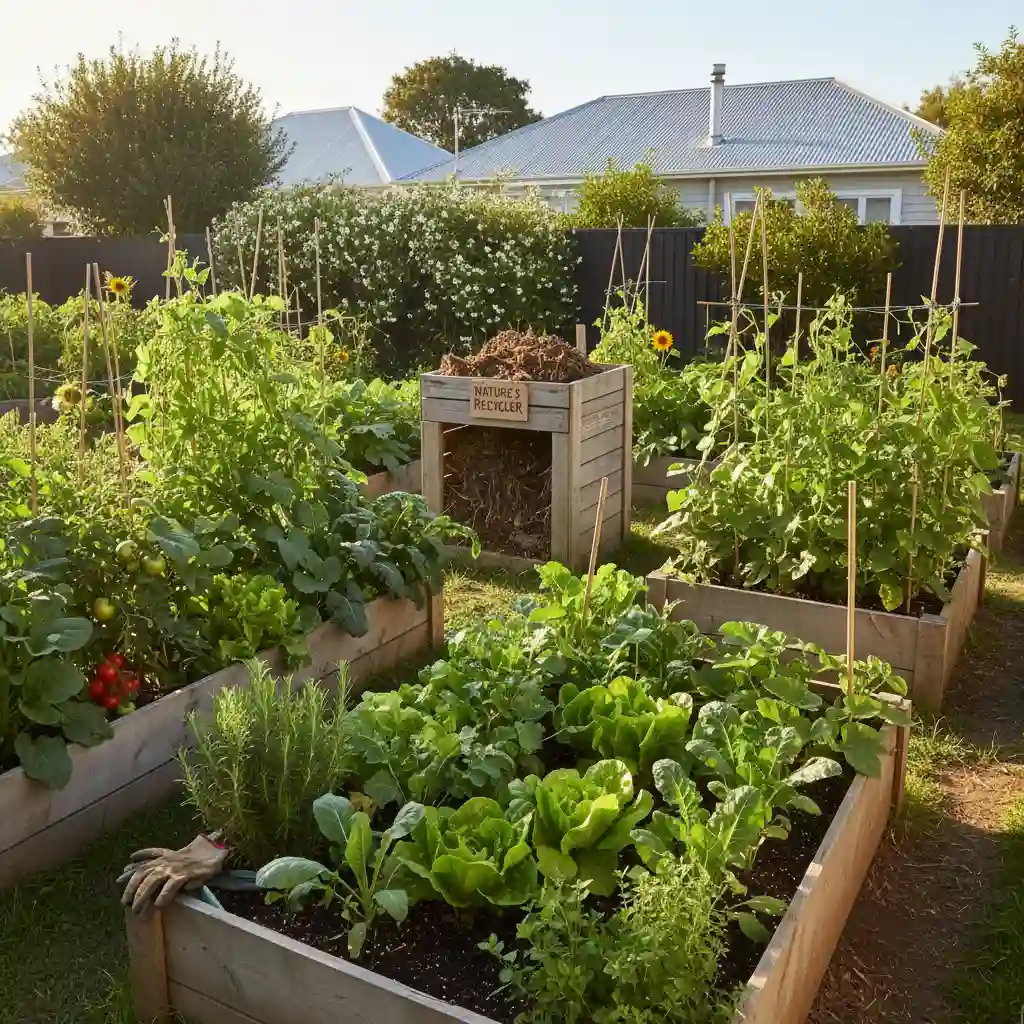
Connecting with the land by growing your own food is a deeply rewarding aspect of green living in NZ. Even if you have limited space, urban farming and sustainable gardening practices can flourish.
1. Master Composting & Worm Farms
Diverting food scraps from landfill is crucial. This not only reduces waste but also creates nutrient-rich soil for your garden:
- Beginner Composting: Start with a simple compost bin. Layer ‘greens’ (food scraps, grass clippings) and ‘browns’ (dry leaves, cardboard). Keep it moist and turn regularly.
- Worm Farms: Excellent for smaller spaces and faster breakdown. Worms convert food waste into potent ‘worm castings’ and ‘worm tea’.
2. Grow Your Own & Practice Water-Wise Methods
Whether a full veggie patch or a few pots on a balcony, growing your own significantly reduces your food miles and reliance on commercial agriculture:
- Choose Local & Seasonal: Focus on plants that thrive in your local climate.
- Companion Planting: Strategically plant different species together to deter pests and enhance growth naturally.
- Rainwater Harvesting: Install a rain barrel to collect water for your garden, reducing reliance on treated tap water.
- Mulch: Apply a layer of organic mulch around plants to retain soil moisture and suppress weeds.
Stat Callout:
On average, food travels 1,500 miles to reach our plates. Growing your own, even a small amount, dramatically cuts these ‘food miles’.
Ethical Banking & Investments
Your money has power beyond just what you spend. By choosing ethical banking and investment options, you ensure your finances align with your values, making this a crucial area for green living tips NZ citizens should consider.
1. Choose an Ethical Bank
Not all banks are created equal. Research their investment portfolios:
- Investigate Policies: Look for banks that explicitly state commitments to sustainability, avoiding investments in fossil fuels, unethical labour, or weapons.
- Local Focus: Some credit unions or smaller banks prioritize local community development and environmental projects.
2. Consider Sustainable Investments
Your KiwiSaver and other investments can also be vehicles for change:
- Ethical KiwiSaver Funds: Many providers now offer ‘ethical’ or ‘socially responsible investment’ (SRI) KiwiSaver options. These funds screen out companies with poor environmental or social records.
- Green Bonds & Impact Investing: Explore opportunities to invest directly in projects with positive environmental or social impacts.
“Every dollar you deposit or invest has the potential to support either unsustainable industries or innovative green solutions. Choose wisely.”

Community Initiatives & Volunteering
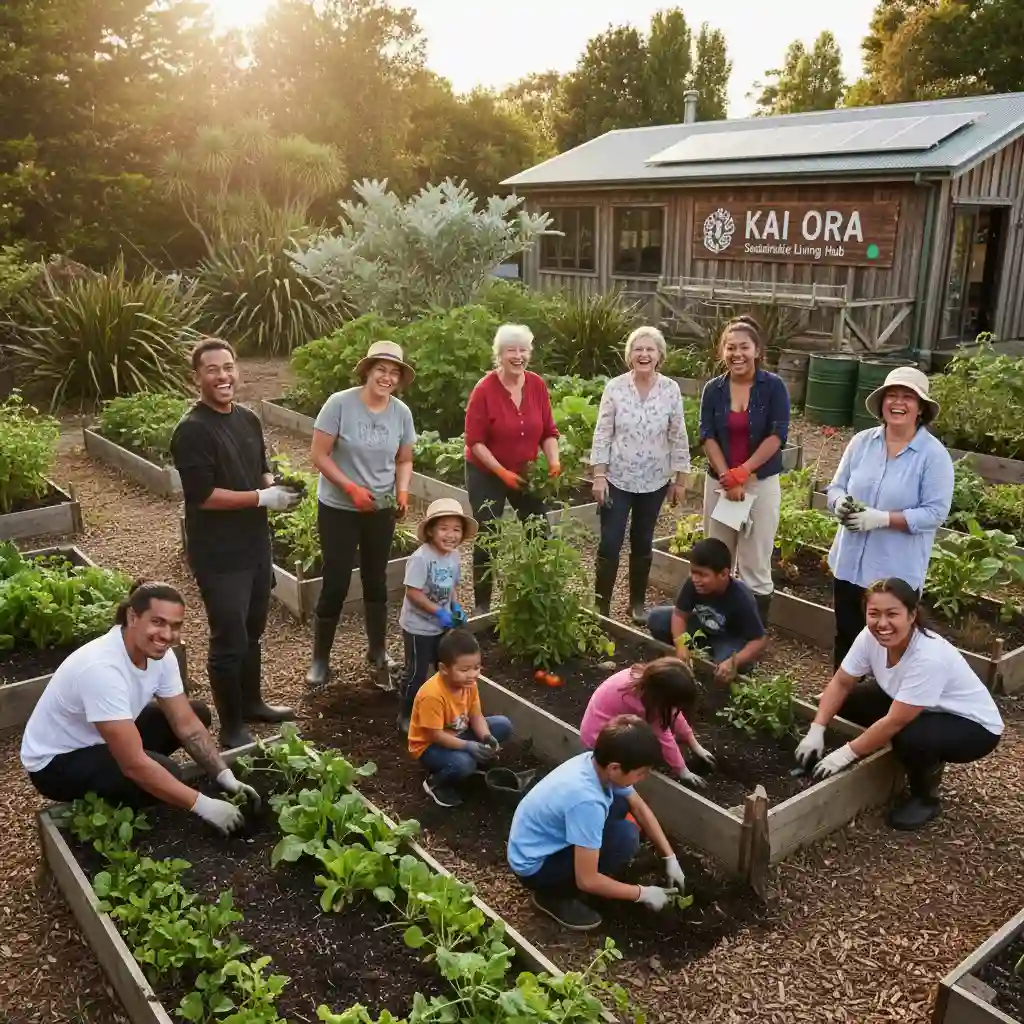
Individual actions are powerful, but collective efforts amplify impact. Engaging with local community initiatives and volunteering is a cornerstone of effective green living tips NZ offers, fostering connection and driving broader change.
1. Join Local Eco-Groups & Conservation Efforts
Many towns and cities across New Zealand have active groups dedicated to environmental causes:
- Conservation Volunteers: Participate in tree planting, weeding, pest control, or stream clean-up days.
- Zero-Waste Groups: Join local workshops on waste reduction, repair cafes, or community composting hubs.
- Predator Free NZ: Contribute to efforts to protect native wildlife by joining local trapping groups.
2. Support Local, Sustainable Businesses & Initiatives
Your purchasing power can strengthen the local green economy:
- Farmers’ Markets: Buy fresh, seasonal produce directly from growers, reducing packaging and supporting local farmers.
- Zero-Waste Stores: Refill your containers for pantry staples, cleaning products, and personal care items.
- Community Gardens & Food Shares: Support or participate in local food initiatives that promote food security and sustainable growing.
Advocacy for Environmental Change
While personal actions are vital, systemic change requires a louder voice. Becoming an advocate for environmental causes is a powerful step in your journey of green living tips NZ citizenship.
1. Stay Informed & Speak Up
Understanding environmental issues and policies empowers you to engage effectively:
- Follow Environmental News: Keep up-to-date with local and national environmental challenges and proposed solutions.
- Engage with Local Council: Attend public meetings, submit feedback on environmental policies, or join advisory groups.
- Contact Your MP: Write letters or emails to your Member of Parliament about issues you care about. Collective voices make a difference.
2. Support Environmental Organisations
Many dedicated organisations in NZ work tirelessly for environmental protection. Support them through:
- Donations: Financial contributions help fund critical research, advocacy, and conservation projects.
- Volunteering: Lend your time and skills to specific campaigns or ongoing efforts.
- Sharing Their Message: Use your social media or networks to amplify their calls to action and educate others.
Action Checklist: Become an Environmental Advocate
- Research your local council’s current environmental initiatives.
- Identify one environmental issue you’re passionate about.
- Find an environmental organisation aligned with that issue in NZ.
- Write a brief, polite email to your local MP or councilor about your chosen issue.
- Share a relevant article or campaign from a reputable environmental group on social media.
Embracing green living tips NZ style is an ongoing journey, filled with learning and positive change. From the quiet satisfaction of growing your own food to the collective power of community action, every step contributes to a more sustainable Aotearoa. Start small, be consistent, and inspire those around you. Together, we can nurture a greener, healthier future for all.
Frequently Asked Questions about Green Living in NZ
What are the easiest green living tips NZ beginners can adopt?
For beginners, start with simple changes like carrying a reusable coffee cup and shopping bag, composting food scraps, reducing meat consumption, and making one or two DIY cleaning products. These small steps have a significant cumulative impact.
How can I find local sustainable initiatives in New Zealand?
Check your local council’s website for environmental programs, search online for ‘community gardens [your city]’, ‘zero-waste groups [your city]’, or follow national organisations like Conservation Volunteers NZ and Sustainable Coastlines for local events.
Is ethical banking truly effective for promoting green living in NZ?
Yes, absolutely. By choosing an ethical bank or KiwiSaver fund, you’re redirecting your money away from industries that harm the environment and towards those that support sustainability, renewable energy, and ethical practices. This sends a powerful signal to the financial sector.
What are the benefits of sustainable gardening in urban areas?
Sustainable urban gardening provides fresh, healthy food, reduces food miles and carbon emissions, diverts organic waste from landfills through composting, improves local biodiversity, and fosters community connection. It’s a key component of green living in NZ’s urban centers.
How can I advocate for environmental change in my local NZ community?
Start by staying informed on local environmental issues. Attend council meetings, write to your local representatives, join or support local environmental groups, and educate your friends and family. Collective voices are crucial for driving policy and community-level change.
References & Sources
- Ministry for the Environment. (2022). Our environment reporting series: Waste and resource efficiency. Retrieved from www.mfe.govt.nz/waste-and-resource-efficiency
- Sustainable Business Network. (n.d.). Resources for sustainable living. Retrieved from www.sustainable.org.nz
- Ethical Investing NZ. (2023). Guide to ethical KiwiSaver and investment funds. Retrieved from www.ethicalinvesting.co.nz
- Conservation Volunteers New Zealand. (n.d.). Get involved in conservation. Retrieved from www.conservationvolunteers.co.nz
- The Composting Council Research and Education Foundation. (n.d.). Benefits of Composting. Retrieved from www.compostingcouncil.org