Ethical Fashion & Conscious Consumerism in NZ
Are you ready to transform your wardrobe into a force for good? In a world increasingly aware of its environmental footprint, New Zealanders are leading the charge towards a more sustainable way of living. This guide dives deep into ethical fashion NZ, exploring how conscious choices can redefine your style while supporting people and the planet.
From the clothes we wear to the brands we support, every decision has an impact. Join us as we navigate the vibrant landscape of sustainable style, uncover local heroes, and empower you with practical tips for a truly ethical wardrobe.
Understanding Ethical Fashion
Ethical fashion is more than just a trend; it’s a movement towards a fashion industry that prioritises environmental and social responsibility. It encompasses the entire lifecycle of a garment, from the ethical sourcing of raw materials to fair labour practices for garment workers, and finally, sustainable disposal methods.
When we talk about ethical fashion in NZ, we’re considering brands that make conscious choices about:
- Fair Labour: Ensuring safe working conditions, fair wages, and no child labour throughout the supply chain.
- Environmental Impact: Minimising pollution, conserving resources, using sustainable materials (like organic cotton, hemp, recycled fabrics), and reducing waste.
- Animal Welfare: Avoiding materials from animals subjected to cruel practices.
- Transparency: Being open about their supply chains, manufacturing processes, and impacts.
Stat Callout:
The fashion industry is responsible for 10% of global carbon emissions – more than international flights and maritime shipping combined. Choosing ethical fashion significantly contributes to reducing this impact.
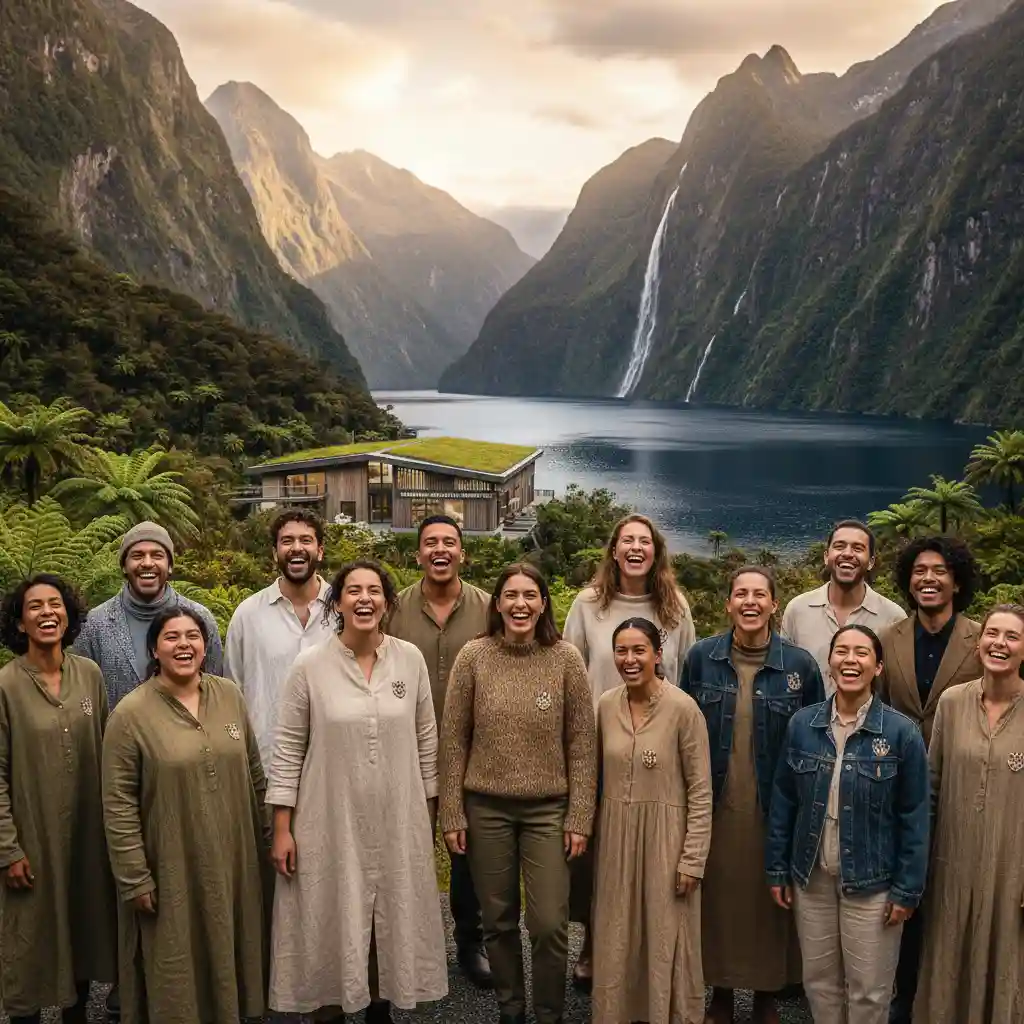
NZ Ethical Fashion Brands Guide
New Zealand is home to a growing number of innovative designers and brands committed to ethical and sustainable practices. Supporting these local businesses not only boosts our economy but also strengthens the slow fashion movement in Aotearoa.
Spotlight on Leading NZ Ethical Fashion Brands:
- Kowtow: A pioneer in the NZ ethical fashion scene, Kowtow is renowned for its minimalist designs made from 100% fair trade certified organic cotton. They champion transparency and sustainable production from seed to garment.
- twenty-seven names: This Wellington-based brand produces beautiful, high-quality garments locally in New Zealand. They focus on longevity, small production runs, and using natural fibres and responsible manufacturing.
- ReCreate: Born from a desire to empower women in Cambodia, ReCreate produces organic cotton clothing ethically made by women receiving fair wages and safe conditions, with a strong focus on community development.
- Maggie Marilyn: Committed to creating a better future, Maggie Marilyn crafts stunning pieces with a focus on traceable supply chains, natural fibres, and local production. They’re on a mission for 100% circularity.
- Standard Issue: Specialising in knitwear, Standard Issue offers beautifully crafted, timeless garments made from natural fibres in their zero-waste factory in Auckland. Their focus is on quality, longevity, and sustainability.
“Choosing local ethical brands means investing in products made with care, respect, and a commitment to a healthier future for all.”
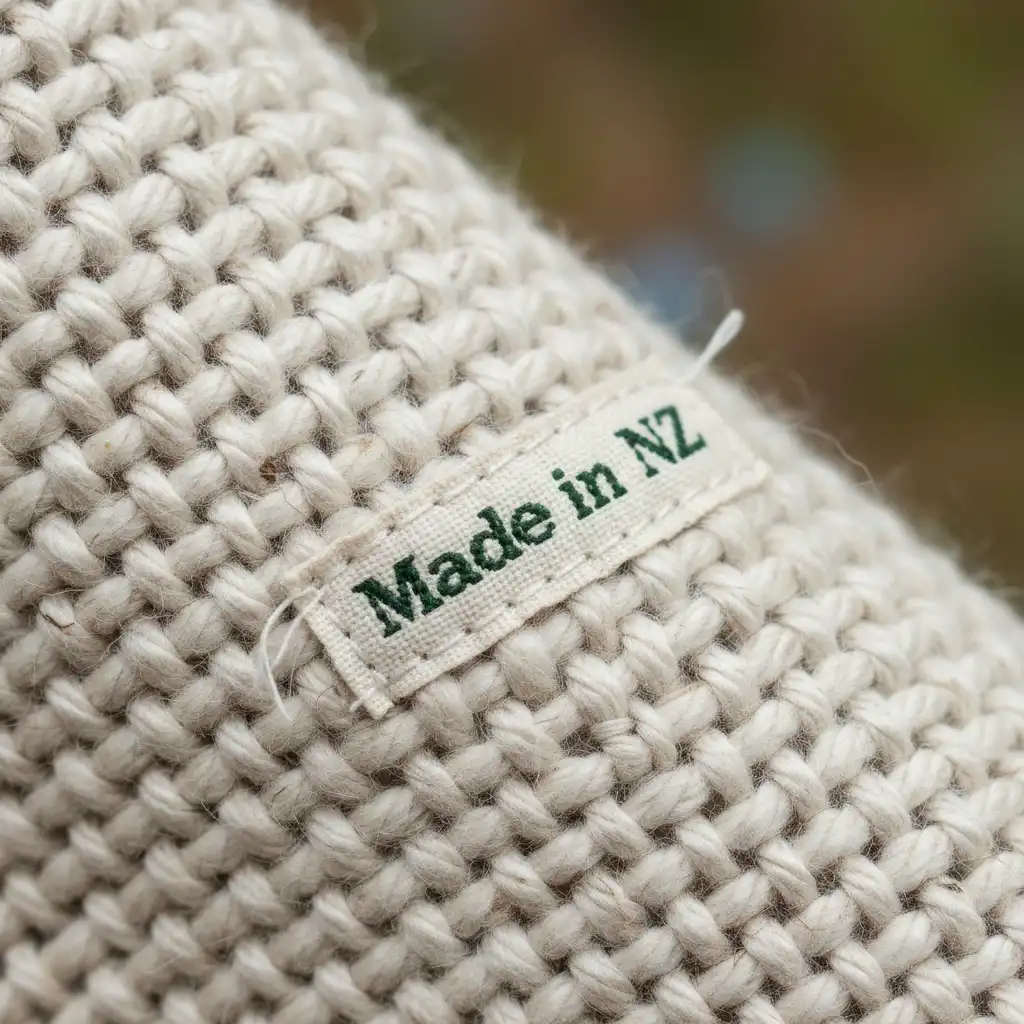
Sustainable Shopping Practices
Embarking on a sustainable shopping journey doesn’t have to be overwhelming. Here’s a practical guide to help you make more conscious choices, step-by-step.
1. Ask Critical Questions
Before buying, pause and ask yourself: “Do I really need this?” and “Who made this, and under what conditions?” Research brands using resources like the Fashion Revolution Transparency Index or local ethical directories. Look for certifications like Fairtrade, GOTS (Global Organic Textile Standard), or B Corp status.
2. Prioritise Quality Over Quantity
Invest in well-made, durable pieces that will last for years, rather than succumbing to fast fashion trends. High-quality garments often have a better resale value and reduce overall consumption.
3. Choose Sustainable Materials
Opt for natural, organic, or recycled fibres. Organic cotton, hemp, linen, Tencel (lyocell), modal, and recycled polyester or nylon are better choices. Avoid conventional cotton (which is water-intensive and pesticide-heavy) and new synthetic materials where possible.
4. Support Local & Transparent Brands
Seek out New Zealand brands that openly share their supply chains and demonstrate a clear commitment to ethical practices. Local production often means a smaller carbon footprint and better accountability.
Your Ethical Shopping Action Checklist:
Second-Hand & Vintage Fashion
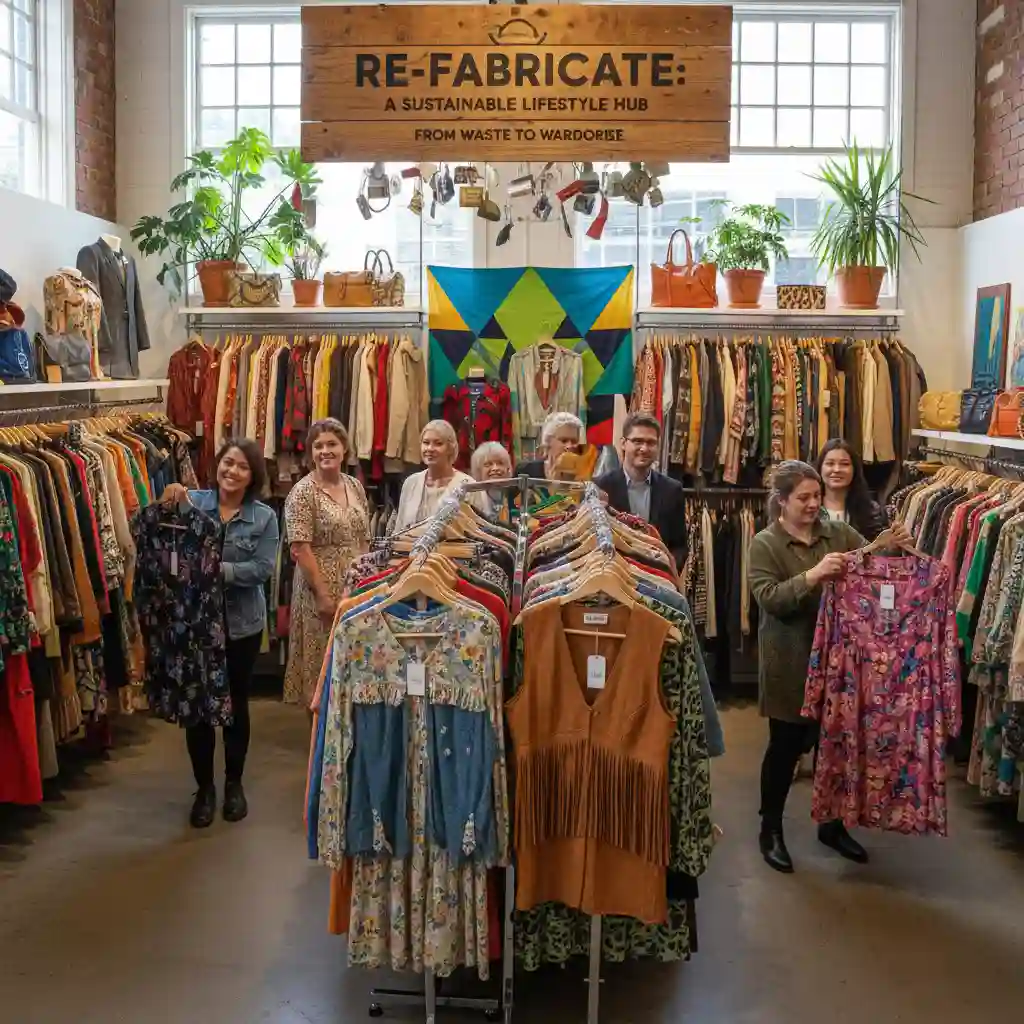
The most sustainable garment is often the one that already exists. Embracing second-hand and vintage fashion is a powerful way to reduce your environmental impact and develop a unique personal style. New Zealand boasts a thriving scene for pre-loved clothing.
Where to Find Treasures in NZ:
- Charity Shops: Op-shops (opportunity shops) like Hospice Shops, Red Cross, Salvation Army, and St Vincent de Paul are treasure troves across the country.
- Vintage Boutiques: Major cities often have dedicated vintage stores offering curated selections.
- Online Marketplaces: Platforms like Trade Me, Depop, and local Facebook Buy/Sell groups are excellent for finding pre-loved clothing.
- Clothing Swaps: Organise or join local clothing swap events to refresh your wardrobe for free.
Circular Fashion & Repair Culture
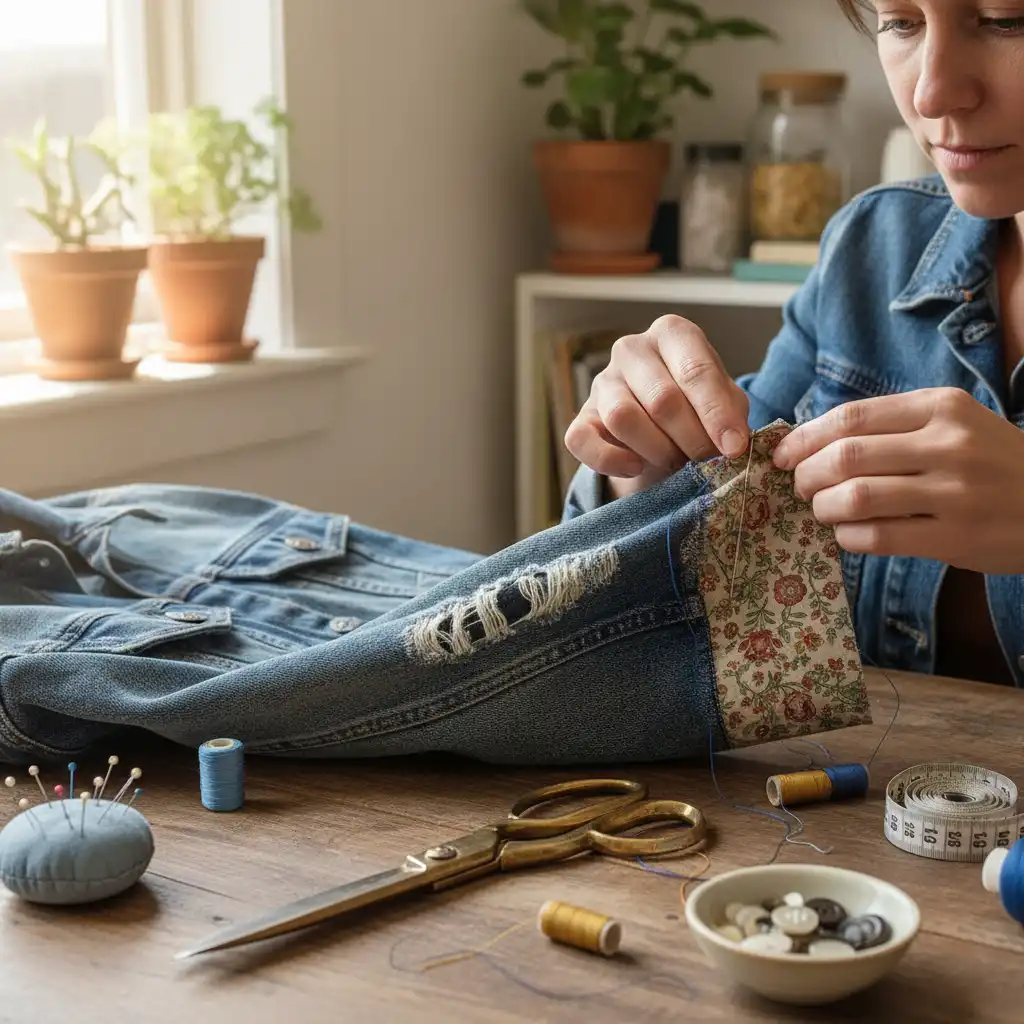
Beyond just buying, ethical fashion encourages a circular approach – keeping resources in use for as long as possible. This means embracing repair, repurposing, and responsible recycling.
Extending the Life of Your Clothes:
- Learn Basic Repairs: A loose button, a small tear, or a fallen hem can often be fixed with minimal effort. Websites like YouTube offer countless tutorials.
- Seek Professional Help: For more complex repairs or alterations, support local tailors and seamstresses. Many offer services to breathe new life into old favourites.
- Upcycle & Repurpose: Can an old dress become a skirt? Can a worn-out t-shirt be transformed into cleaning cloths or a tote bag? Get creative!
- Responsible Disposal: When a garment truly reaches the end of its life, explore textile recycling options in your area instead of sending it to landfill. Some brands also offer take-back schemes.
Your Journey to Ethical Fashion in NZ Starts Now
Embracing ethical fashion isn’t about perfection; it’s about progress. Every conscious choice, from supporting local sustainable brands to mending a beloved garment, contributes to a more responsible and vibrant fashion future for Aotearoa.
What small step will you take today?
Frequently Asked Questions
What exactly is ethical fashion?
Ethical fashion refers to clothing designed, manufactured, and distributed in a way that minimises harm to people, animals, and the planet. This includes fair wages and safe working conditions for garment workers, reduced environmental impact through sustainable materials and processes, and transparent supply chains.
How can I identify ethical fashion brands in New Zealand?
Look for transparency on their websites regarding their supply chains, labour practices, and materials. Certifications like Fairtrade, GOTS (Global Organic Textile Standard), or B Corp status are strong indicators. Many brands will clearly state their commitment to sustainability and ethical production. Resources like this guide and local sustainability directories can also help.
Is ethical fashion more expensive?
Often, the upfront cost of ethical fashion can be higher than fast fashion due to fair wages, quality materials, and sustainable production methods. However, ethical garments are typically designed for longevity, leading to a lower cost-per-wear over time. When you buy less, choose well, and make it last, it can be a financially sustainable choice.
What are some easy ways to start shopping more sustainably?
Start by mending clothes you already own, shopping second-hand at op-shops or vintage stores, hosting clothing swaps with friends, and buying less overall. When you do buy new, choose a brand committed to ethical practices and sustainable materials, even if it’s just one item at a time.
Where can I find second-hand ethical clothing in NZ?
New Zealand has a fantastic second-hand scene! Explore your local charity shops (Hospice, Red Cross, Salvation Army), vintage boutiques, and online marketplaces like Trade Me or Depop. Local community groups often organise clothing swaps, too.
References & Sources
- Fashion Revolution. (Annual). Fashion Transparency Index.
- Ellen MacArthur Foundation. (Ongoing). Circular Economy for Fashion.
- New Zealand Ministry for the Environment. (Various publications). Sustainability and Waste Management in NZ.
- Organic Consumers Association. (Various articles). The Environmental Impact of Cotton.
- Common Objective. (Ongoing). Business Intelligence for Sustainable Fashion.